
Reviewed · MARAS AND MORAY TOURS
Cusco: Sacred Valley and Salt Mines Ending in Ollantaytambo
The remarkable thing about this day is how much of the Sacred Valley you see before ending in Ollantaytambo instead of returning to Cusco. You move from high Andean villages and textile work to strange circular terraces, bright salt pools, buffet lunch, and an Inca fortress in one long sweep.
I like the practical ending at Ollantaytambo train station, which can save you a return trip if you are continuing toward Machu Picchu. I also like the mix of culture, food, farming, and archaeology. The catch is clear: this is a fast-paced 12-hour day, and the stops may feel brief if you prefer a slow look at each site.
In This Review
- Key Points
- A Full Day Across the Sacred Valley
- Chinchero at 3,772 Meters
- Moray’s Circular Inca Terraces
- Maras and Its 4,000 Salt Wells
- Urubamba Lunch and the Valley Below
- Ollantaytambo and the 3:30 PM Finish
- The Guide and the Pace
- What to Bring for the High Andes
- Who Will Get the Most From This Tour
- Should You Book This $40 Day Trip?
- FAQ
- How long does the Sacred Valley and Salt Mines tour last?
- Where does the tour begin?
- Where does the tour end?
- Which places does the tour visit?
- Is lunch included?
- Are entrance fees included?
- Which languages are available?
- Can I cancel for a full refund?
Key Points
- Chinchero at 3,772 meters: See archaeological remains, a colonial church, a local market, and traditional Andean textiles.
- Moray’s circular terraces: Look down into an unusual Inca agricultural site often described as an experimental farming center.
- More than 4,000 salt wells at Maras: Watch the mountains frame thousands of small evaporation pools.
- A useful Ollantaytambo finish: Get dropped near the train station around 3:30 PM instead of returning to Cusco.
- English and Spanish guiding: The guide may work in both languages, with Jhonnattan, also written as Johnathan in the booking details, praised for clear explanations.
- Low headline price, extra costs: The $40 price does not include entrance fees, and the activity details also list buffet lunch as not included.
A Full Day Across the Sacred Valley
This excursion is built for seeing many of the Sacred Valley’s headline sights in one day. You leave Cusco by tourist transport, climb into the high country, then work your way through villages, archaeological sites, salt terraces, and the Urubamba Valley before finishing at Ollantaytambo.
The route gives you a useful sense of how varied this part of Peru is. The highlands around Chinchero feel open and cool, with fields and villages set against snow-capped mountains. Farther along, Moray and Maras offer two very different examples of how people worked with the land. Ollantaytambo then brings the day back to monumental Inca stonework.
At $40 per person, the price is attractive for a guided day with hotel pickup, transport, several major stops, and a final drop-off near the train station. You should budget extra for entrance fees and lunch. The included and excluded details specifically list the buffet lunch as not included, although one booking account describes enjoying a buffet lunch, so confirm the current arrangement before you go.
The basic tradeoff is simple: you get reach, convenience, and variety, but not much spare time. One day cannot give every stop the attention it deserves. If you want a broad first look at the valley, that is a fair exchange. If you want long walks, quiet photography, or detailed archaeology, you may find the schedule tight.
More Maras salt mine and Moray trips:
- From Cusco: Chinchero, Moray, Maras and Ollantaytambo
★ 4.5 · 83 reviews - Cusco | Visit Maras, Moray, Chinchero, Pisac | Valle Vip
★ 4.4 · 3 reviews - From Cusco:Chinchero, Moray, Maras, Ollantaytambo with lunch
★ 5.0 · 3 reviews
Chinchero at 3,772 Meters
Chinchero is the first major cultural stop, and its altitude matters. At 3,772 meters above sea level, you may feel the thin air more here than at lower points later in the day. Walk at an easy pace, drink water, and do not treat the first stop like a race.
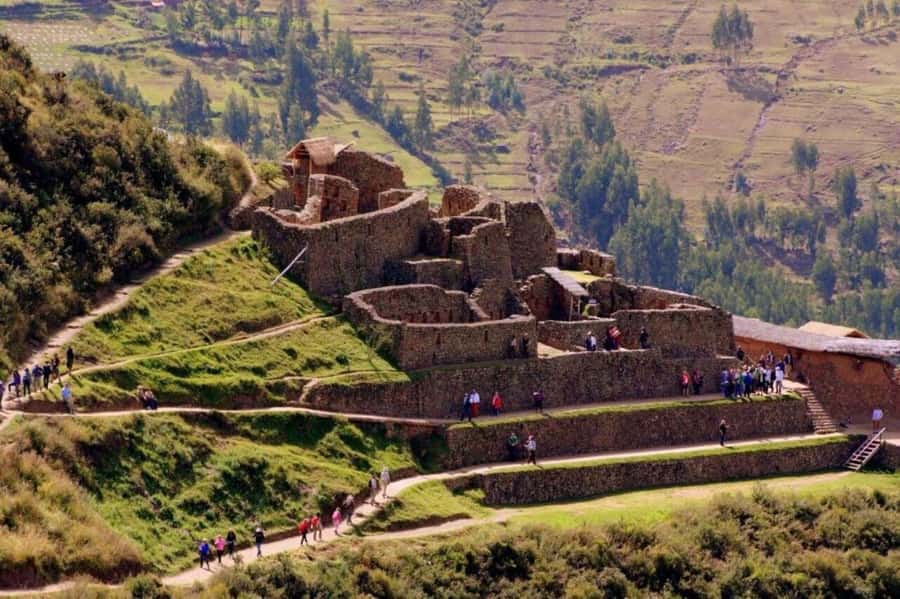
The town combines several layers of Andean life. You see archaeological remains linked to the Inca period, a 17th-century colonial church, and a market where bargaining is still part of the experience. The church is noted for canvases from the Cusco School, giving the visit an art and colonial context alongside the older stonework.
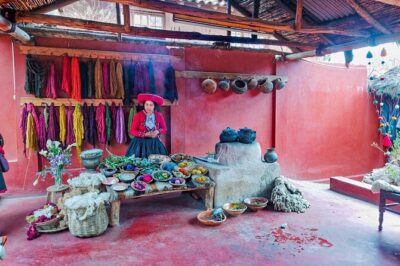
The market is also a place to pay attention to local textile traditions. The tour focuses on handmade work by Andean women, so this is more than a quick souvenir stop if your guide explains how the textiles are produced and used. You can look for patterns, colors, and weaving details, then decide for yourself if anything suits your budget.
Bring small bills if you plan to buy something, though the supplied information does not specify payment methods or typical prices. The key point is to avoid treating the market as a compulsory shopping stop. You can look, ask questions, and move on.
Chinchero is a good early introduction to the valley because it brings together living culture, colonial art, and Inca remains. The drawback is timing. You are covering several stops, so your time here may be enough for a focused visit rather than a leisurely morning.
Moray’s Circular Inca Terraces
Moray is one of the most visually unusual places on the route. From above, its circular agricultural terraces form broad rings dropping into the earth. The shapes look almost modern in their precision, but the purpose was practical: Moray is presented as an experimental agricultural center.
The terraces show how Inca farming involved careful control of soil, elevation, and growing conditions. You do not need to be an agricultural expert to appreciate the design. The site makes the connection between engineering and food production easy to see, especially after passing fields and crop-growing areas on the way through the valley.
This is a strong photography stop, but the view is also best understood with a guide’s explanation. Ask what is known about how the terraces were used and what remains uncertain. A good guide can help you look beyond the round shape and understand why the site mattered.
Wear shoes with a firm sole. The instructions call for comfortable shoes and clothing suitable for walking, and that advice applies throughout the day. Water, sunscreen, and a hat are also useful at Moray, where sun exposure can be strong even when the air feels cool.
Moray may be one of the shorter stops on a quick group schedule. You get a striking view and historical context, but you should not expect hours to walk around at your own pace. If you are choosing between a broad sampler and a slow archaeological day, this tour clearly favors the sampler.
Maras and Its 4,000 Salt Wells
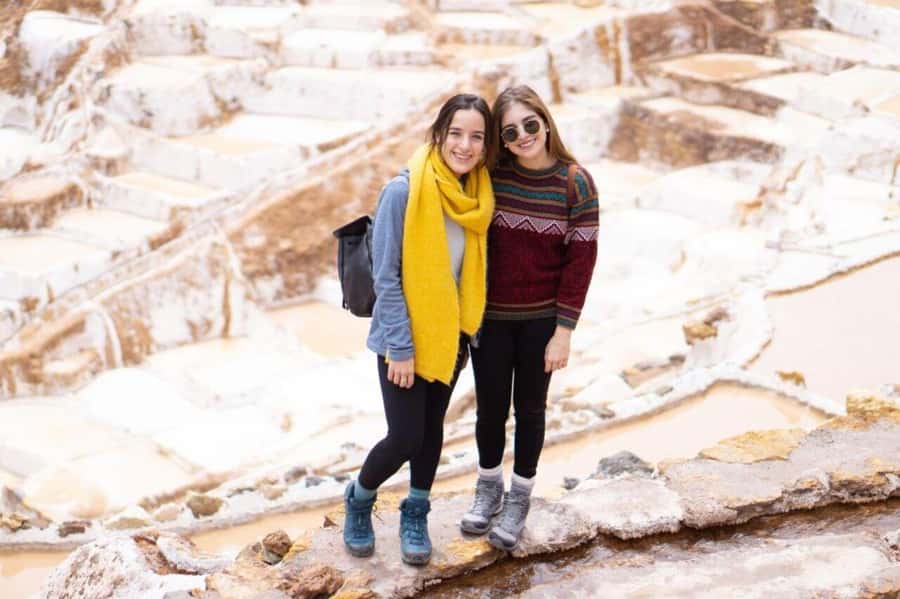
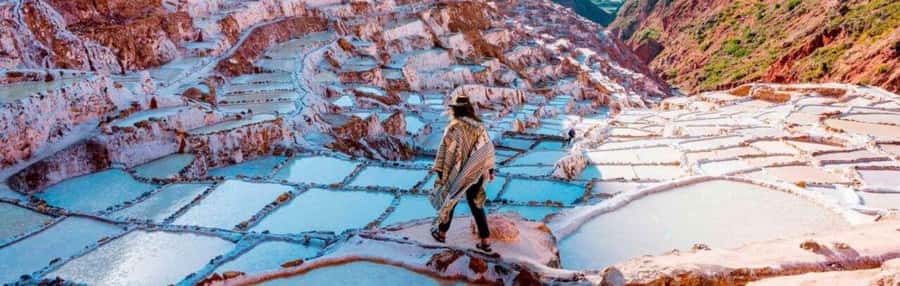
The Maras Salt Mines change the mood again. Instead of massive stone walls or circular earthworks, you see thousands of small salt wells spread across the mountainside. More than 4,000 pools are associated with the site, creating a patterned view that is unlike the farming terraces at Moray.
Salt is extracted as water evaporates in the wells. The setting helps explain why this place is so memorable: a practical working site appears as a series of pale, geometric pools against the surrounding mountains. You can photograph the rows, but give yourself time to notice the small scale of each well and the amount of labor represented by the whole system.
The mine visit has an important cost detail. Entrance fees to Moray and Maras are not included and must be paid separately. The supplied information does not state the fee amount, so check the current cost before departure and carry enough local currency or the accepted payment method.
Maras can be bright and exposed. A hat, sunscreen, water, and sensible walking shoes are not optional extras for most people. The altitude and sun can make a short walk feel harder than expected, especially after several earlier stops.
This is another place where the group schedule may feel brisk. You will see the salt wells and hear the basic explanation, but the day does not appear designed for an extended visit among the pools. Keep your camera ready and listen closely while the guide is speaking, since the next departure may come sooner than you would choose.
More Ollantaytambo and Pisac visits:
- Cusco:Sacred Valley Pisaq,Ollantaytambo,Chinchero with Lunch
★ 4.8 · 183 reviews - from Urubamba & Ollantaytambo:Sacred Valley Full-Day Private
★ 4.9 · 31 reviews - From Cusco: Moray, Maras Salt Mines & Chinchero Weavers Tour
★ 4.8 · 1,925 reviews - Cusco: Sacred Valley, Pisac, Ollantaytambo, Salt Mines Moray
★ 4.6 · 1,058 reviews
Urubamba Lunch and the Valley Below
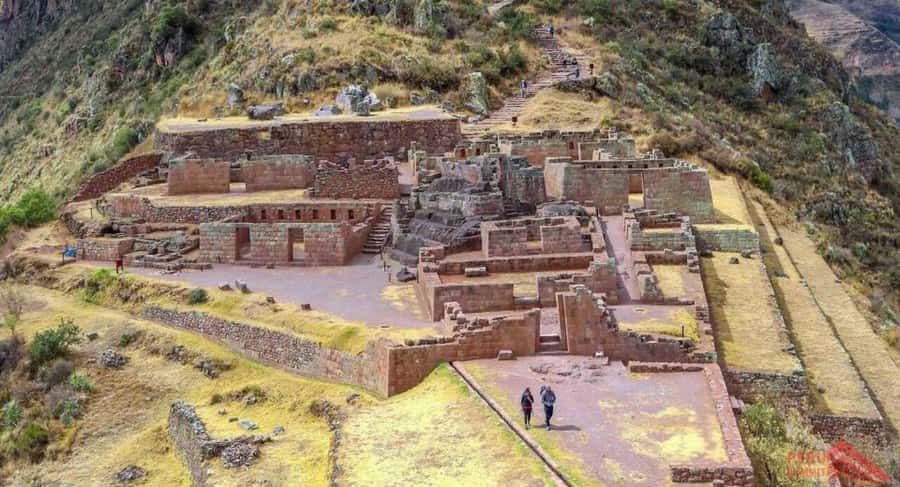
After the highland sites, the tour heads to Urubamba for a buffet lunch at a typical local restaurant. The meal is meant to give you a taste of regional flavors and a break in the middle of a long day.
The wording about lunch needs careful attention. The activity information lists buffet lunch as not included, yet a booking account describes hotel pickup and a lovely buffet lunch as part of the day. Do not assume the meal is covered by the $40 price. Confirm before booking, and be prepared to pay separately if required.
Urubamba is also a useful transition point. By this stage, you have seen high-altitude villages and unusual agricultural sites. The valley around town brings a different view, with crop fields and picturesque settlements framed by mountains that Andean communities have revered since before the Inca period.
A buffet can be efficient on a packed schedule because you choose your food without waiting for a long restaurant service. It is less ideal if you want a quiet, extended meal or have strict dietary needs, since no dietary details are provided. If you have food restrictions, ask the operator what choices are available before departure.
Ollantaytambo and the 3:30 PM Finish
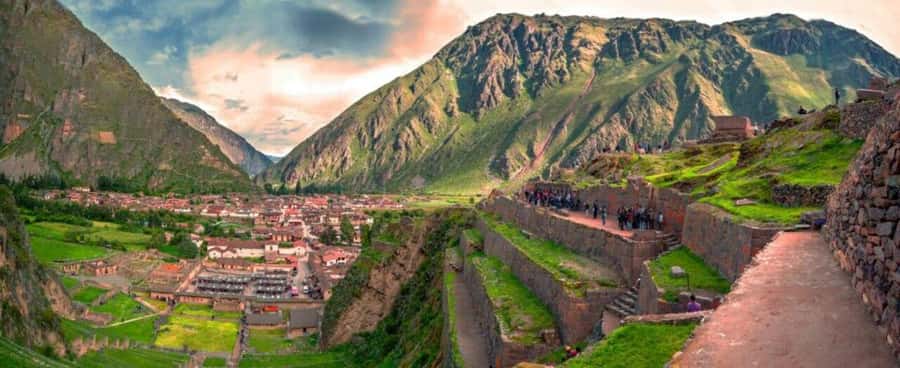
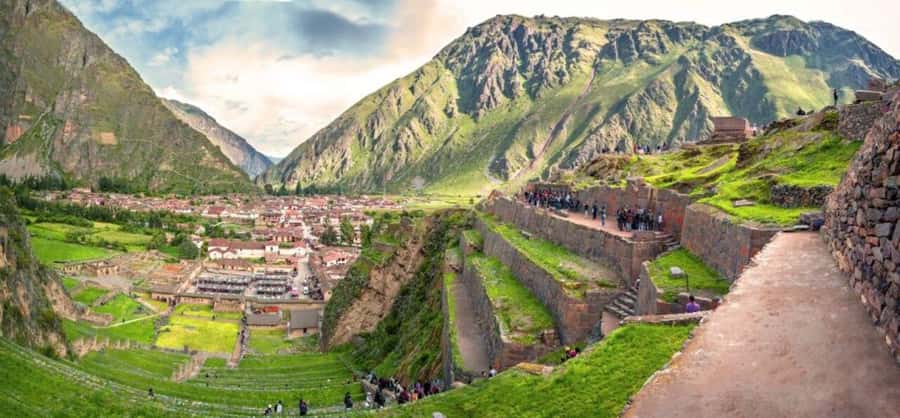
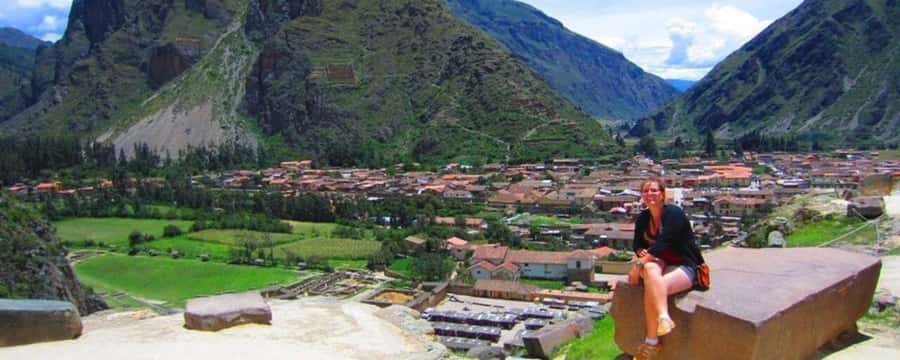
The final major stop is Ollantaytambo, often called a living Inca city in the tour description. Its main sight here is the military fortress, built to help protect the Sacred Valley from possible invaders.
The fortress gives the day a strong finish. After seeing how the Incas managed crops at Moray, you end with a site focused on defense, stone construction, and control of a strategic valley. The setting also helps you understand why Ollantaytambo is an important stopping point for people continuing by train.
Transport drops you near the Ollantaytambo train station at about 3:30 PM. This is one of the tour’s best practical features. If your plans continue from Ollantaytambo, you avoid returning to Cusco and then retracing part of the route later.
You should still check your own train timing carefully. The provided information gives the tour’s expected drop-off time, but it does not promise a specific buffer before any train departure. A delayed morning, traffic, or a longer stop could affect your plans. Give yourself a comfortable margin rather than booking the tightest possible connection.
If you are staying overnight in Ollantaytambo, the ending is even easier. You can finish the organized sightseeing portion of the day and continue to your accommodation nearby, though the activity details only promise a drop-off near the train station.
The Guide and the Pace
The tour is offered in English and Spanish. The guide name appears as Jhonnattan and Johnathan in the supplied booking information. His ability to switch between two languages and explain the sites clearly received especially strong praise, so if he is leading your departure, you can expect a guide comfortable handling a bilingual group.
The pace is the main issue to weigh. The route covers a wide area, and the day lasts 12 hours. You will likely spend a fair amount of time in the vehicle between stops, followed by short visits and photo opportunities.
That is not automatically a flaw. Some people have limited time in Cusco and want to see the major Sacred Valley sights without arranging several separate transfers. For those visitors, an efficient route is valuable. You get context from a guide, transport from your Cusco hotel, and a logical finish in Ollantaytambo.
I would not choose this tour if your priority is lingering at one archaeological site, taking long walks, or setting your own departure times. The strongest feedback praises the number of places covered and the professional guiding, while the main criticism is that the stops can feel rushed. Both points fit the structure of the day.
What to Bring for the High Andes
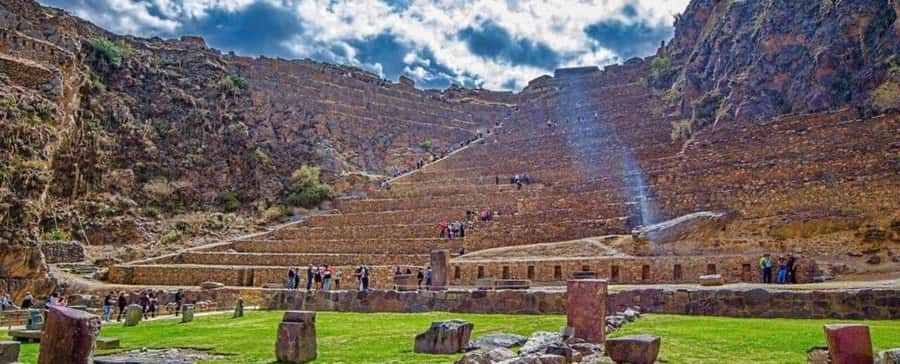
Pack for sun, walking, and changing conditions rather than dressing only for Cusco. The essential list is short:
- Comfortable walking shoes
- A hat
- Sunscreen
- Water
- A camera
- Comfortable clothing
The high altitude makes water and a steady pace important. You may feel fine at one stop and more tired at the next, especially with early hotel pickup and a full schedule. Take photographs, but also pause long enough to listen to the guide’s explanation.
Keep entrance money separate from your main tour budget. Moray and Maras require additional entrance fees, and lunch may also cost extra. Since the supplied details do not give exact amounts, check those charges before you leave Cusco.
Who Will Get the Most From This Tour
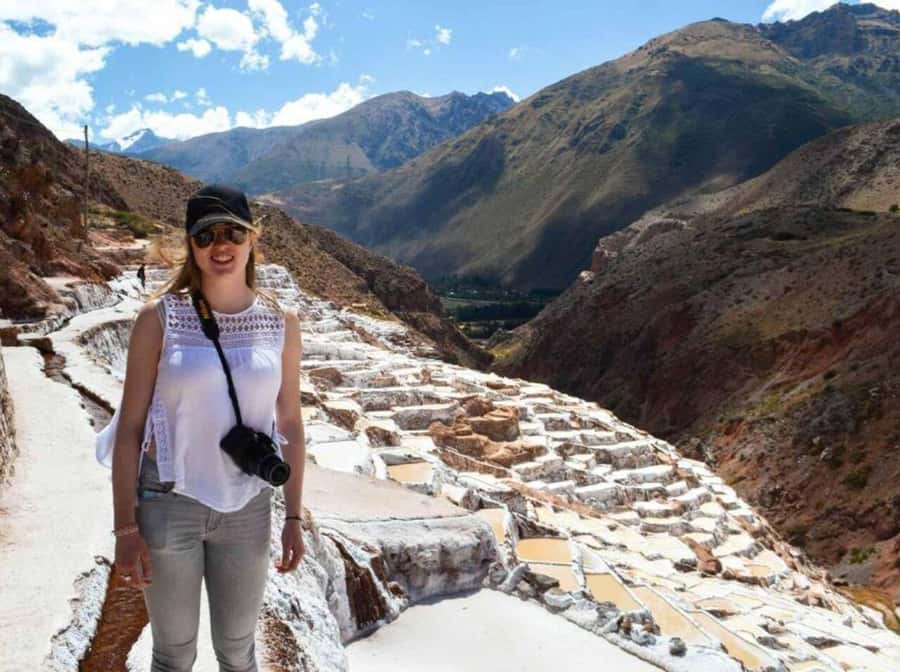
I would recommend this trip to you if you want maximum variety in one day. It suits first-time visitors with limited time, people heading toward Machu Picchu from Ollantaytambo, and anyone who prefers having transport and a guide arranged in advance.
It also works well if your interests are broad. You get textiles and colonial art at Chinchero, agriculture at Moray, salt production at Maras, regional food in Urubamba, and military architecture at Ollantaytambo. That range gives you a better sense of the valley than visiting only one fortress.
Families and older visitors should think about the 12-hour length and altitude before booking. The supplied information does not provide accessibility details, so ask the operator directly if you need help with stairs, uneven surfaces, or walking distances.
I would look for a slower or more specialized option if you have several days in the area. Separate visits could give you more time at Moray, Maras, or Ollantaytambo. This one is about coverage and convenience, not an unhurried encounter with every site.
Should You Book This $40 Day Trip?
Book it if the low price, hotel pickup, bilingual guiding, and Ollantaytambo finish match your plans. The route is packed, but it covers four very different places and gives you a useful introduction to the Sacred Valley.
Before paying, confirm three things: the current entrance fees, the lunch arrangement, and the expected pickup and drop-off timing. If you accept a fast pace and budget for those extras, this is a strong-value way to connect Cusco with Ollantaytambo while seeing Chinchero, Moray, and Maras along the way.
The free cancellation policy allows cancellation up to 24 hours in advance for a full refund, and the reserve-now, pay-later option gives you some planning flexibility. Those terms help if your Cusco schedule is still shifting.
FAQ
How long does the Sacred Valley and Salt Mines tour last?
The tour lasts 12 hours. Transport drops you near the Ollantaytambo train station at about 3:30 PM.
Where does the tour begin?
The tour includes hotel pickup in Cusco.
Where does the tour end?
It ends near the Ollantaytambo train station.
Which places does the tour visit?
The route includes Chinchero, Moray, the Maras Salt Mines, Urubamba, and Ollantaytambo.
Is lunch included?
The activity details list buffet lunch in Urubamba as not included. One booking account describes a buffet lunch, so confirm the current arrangement before booking.
Are entrance fees included?
No. Entrance fees to Moray and the Maras Salt Mines must be paid separately.
Which languages are available?
The live guide service is available in English and Spanish.
Can I cancel for a full refund?
Yes. You can cancel up to 24 hours in advance for a full refund.
More Sacred Valley Tours
- Super Sacred Valley
★ 3.8 · 6 reviews - Sacred Valley Tour 1 Day
★ 5.0 · 3 reviews - Classic Sacred Valley full day
★ 5.0 · 3 reviews - From Cusco: Sacred Valley VIP Tour with Buffet Lunch
★ 4.7 · 3 reviews
Just added around Urubamba
- Sun and Moon Tour★ 4.5 · 3 reviews
- Sacred Valley Tour 1 Day★ 5.0 · 3 reviews
- Classic Sacred Valley full day★ 5.0 · 3 reviews
- 1 Day – Humantay Lake★ 3.1 · 3 reviews
- Cusco | Visit Maras, Moray, Chinchero, Pisac | Valle Vip★ 4.4 · 3 reviews
- From Cusco:Chinchero, Moray, Maras, Ollantaytambo with lunch★ 5.0 · 3 reviews
- From Cusco: Salkantay trek 5 days/4 nights meals included★ 4.0 · 3 reviews
- From Cusco: Sacred Valley VIP Tour with Buffet Lunch★ 4.7 · 3 reviews
Maras and Moray Tours, compared.
Sacred Valley & Maras Salt Mines Tour with Lunch
Read our review →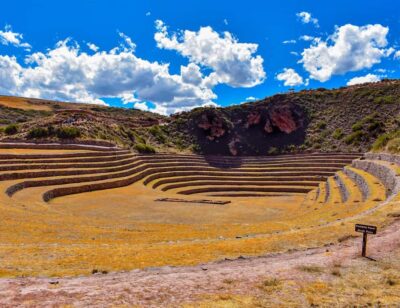
Moray, Maras Salt Mines & Chinchero Weavers Tour
Read our review →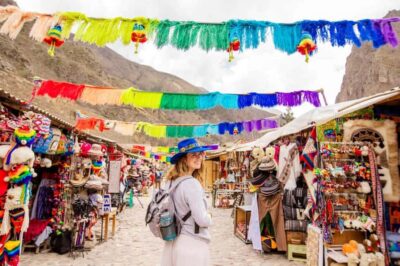
Sacred Valley, Pisac, Ollantaytambo, Salt Mines Moray
Read our review →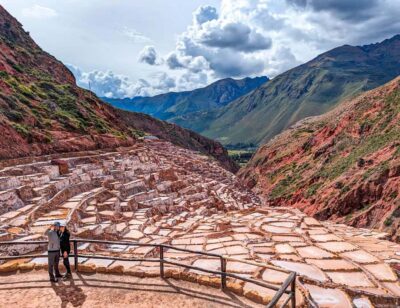
Chinchero,Moray & Salt Mines drop-off in Ollantaytambo
Read our review →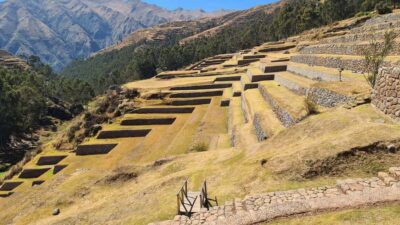

Moray, Maras Salt Mines & Chinchero Weavers Half-Day
Read our review →Browse the lists this tour appears in