
Reviewed · MACHU PICCHU TOURS
Cusco in 2-days: Sacred Valley and Machu Picchu
Machu Picchu is the headline, but the first day gives you a useful introduction to the Inca world around Cusco. You’ll see Chinchero’s alpacas and textile work, Moray’s giant agricultural terraces, the salt pools at Maras, and Ollantaytambo before reaching the famous ruins.
I especially like the small group limit of eight and the practical mix of private road transport, train tickets, buses, permits, and a licensed English-speaking guide. I also like the chance to stay in Aguas Calientes before visiting Machu Picchu, since that is the less frantic way to handle the big day.
The main drawback is the pace. This is a great two-day sampler, but it is a tight one, and the advertised sunrise experience does not quite match the listed 9 a.m. Machu Picchu tour. You must also budget for the Sacred Valley entrance fee and your hotels.
In This Review
- Key points to know before booking
- A fast route through the Sacred Valley
- Chinchero textiles and Andean animals
- Moray’s circular farming terraces
- Maras salt mines and family-run pools
- Lunch in Urubamba
- Ollantaytambo, the first big Inca stronghold
- The 4 a.m. Cusco start on day two
- Arriving at Aguas Calientes and taking the bus
- Machu Picchu at 9 a.m.
- Lunch and the long return to Cusco
- What the $599 price really covers
- Pace, group size, and guide support
- What to settle before you pay
- Who should book this two-day route?
- Should you book it?
- FAQ
- Is hotel accommodation included?
- Is the Sacred Valley entrance fee included?
- Are Machu Picchu entrance tickets included?
- What kind of train is included?
- Is lunch included?
- How large is the group?
Key points to know before booking
- Moray and Maras make the first day more than a simple Machu Picchu transfer, with two very different Inca-era sites.
- Ollantaytambo is the key decision point, where you can take the train to Aguas Calientes or return to Cusco.
- A 4 a.m. pickup on day two makes for a long morning, especially if you sleep in Cusco.
- The $599 price includes major Machu Picchu costs, including the entrance permit, train, buses, and transport.
- The group is capped at eight people, which should allow more personal attention than a large coach tour.
- Guide quality appears to be a strong part of the service, with guides such as Robinson, Robinzon, Teddy, Yoel, Wagner, and Robin praised for history, timing, patience, and personal care.
A fast route through the Sacred Valley
This tour starts with pickup in Cusco, then heads into the Sacred Valley. Exact times are approximate, and the first day runs from early morning until about 5:15 p.m. if you return to Cusco.
That schedule matters. You are not getting a slow, lingering visit at each stop. You are getting a well-packed introduction to several major places, followed by Machu Picchu the next day. I would choose this plan when time is short and seeing the main sights matters more than having long breaks.
The private, comfortable bus is a real help. You avoid figuring out separate taxis and connections between sites, and the small group should make loading and meeting up easier. Still, bring water, sun protection, and something warm. Cusco-area days can shift from cool mornings to strong sun, and you will be outside at several stops.
More ways to reach Machu Picchu:
- From Cusco: Full-Day Group Tour of Machu Picchu
★ 4.7 · 1,767 reviews - Machu Picchu Day Trip from Cusco
★ 4.5 · 1,644 reviews - Machu Picchu: Full-Day Tour from Cusco with Optional Lunch
★ 4.6 · 927 reviews
Chinchero textiles and Andean animals
The first scheduled stop is Chinchero at about 8:15 a.m. The textile center features alpacas and llamas, along with local weaving and handicrafts.
This is a good opening stop because it connects the grand stone sites with living Andean traditions. You can see the craft side of the region rather than treating the Sacred Valley as only an archaeological route. The artisan-market element also gives you a chance to buy a locally made item and support the people keeping these skills in use.
You have about an hour here. That is enough for an introduction, but not a leisurely shopping session. If you want to bring home textiles, ask about materials and production before buying. The tour promises access to local artisan markets, but it does not state that a particular market or purchase is included.
Moray’s circular farming terraces
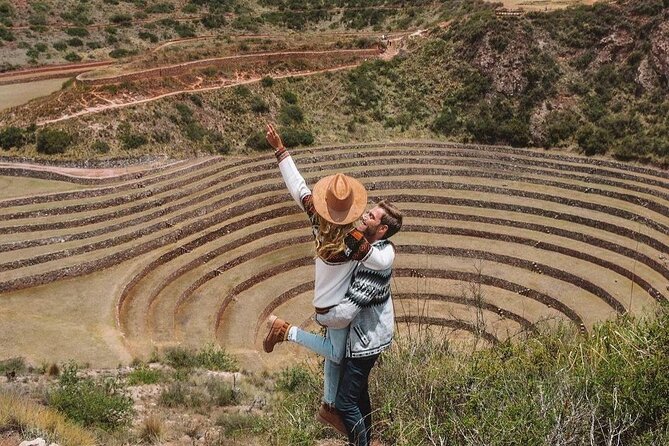
Around 9:45 a.m., the group reaches Moray. The site is made up of huge circular terraces set into the earth, often described as an Inca agricultural laboratory.
The appeal is easy to understand once you see the shape of the place. The terraces descend in wide rings, creating a site that looks unlike the more familiar Inca walls and temples. Your guide can explain how the Incas used different heights to study crops and growing conditions.
I would pay close attention here, because the value is not only the photograph. Moray shows the practical side of Inca planning: farming, testing, and adapting to difficult mountain conditions. You have about an hour, and the admission fee is not included, so keep the separate Sacred Valley entrance cost in mind.
Maras salt mines and family-run pools
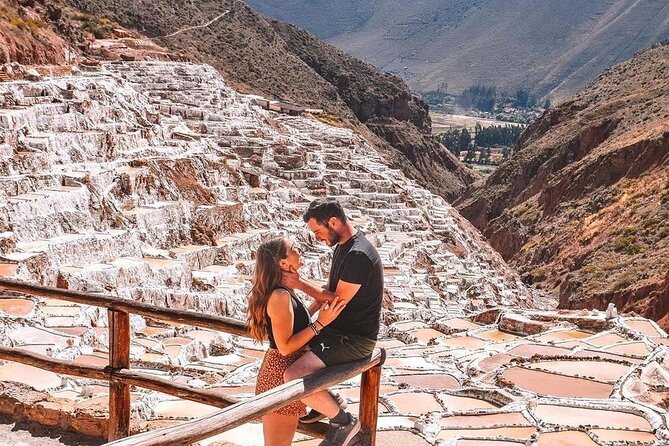
At about 11:15 a.m., you visit Salinas de Maras, the salt mines. Hundreds of small pools cover the hillside, fed by salty water that flows through channels. Families have maintained individual pools for generations, using traditional methods to collect the salt.
Maras is one of the most distinctive stops on the route because it remains a working site rather than a silent ruin. You are seeing an old production system that still supports local families. The white and brown pools spread across the slope, making this a memorable photo stop, but the guide’s explanation of ownership and harvesting is what gives the visit meaning.
Admission is not included here either. The tour description lists a Sacred Valley entrance fee of S/ 90 per person, while individual site admissions are also marked as not included. Ask the operator exactly how that fee applies to your dates and which entrances it covers. That small clarification can prevent an awkward surprise on the road.
More Sacred Valley days out of Cusco:
- From Cusco: Sacred Valley & Maras Salt Mines Tour with Lunch
★ 4.8 · 2,227 reviews - Cusco: Sacred Valley, Pisac, Ollantaytambo, Salt Mines Moray
★ 4.6 · 1,058 reviews - Sacred Valley: Chinchero, Moray, Ollantaytambo & Pisac+Lunch
★ 4.8 · 501 reviews - Sacred Valley: Maras & Moray by Quad Bike from Cusco
★ 4.6 · 418 reviews
Lunch in Urubamba
The group stops in Urubamba at about 1:15 p.m. for a 45-minute local lunch. Vegetarian and vegan options are available.
That is useful for a short tour, since you do not need to arrange food while moving between sites. The included lunch helps the $599 price feel more reasonable, although the description does not specify the menu or restaurant.
Do not expect a long Peruvian food lesson here. Forty-five minutes is a practical meal break, not a grand culinary event. If you have allergies or strict dietary needs, explain them when booking and again to the guide.
Ollantaytambo, the first big Inca stronghold
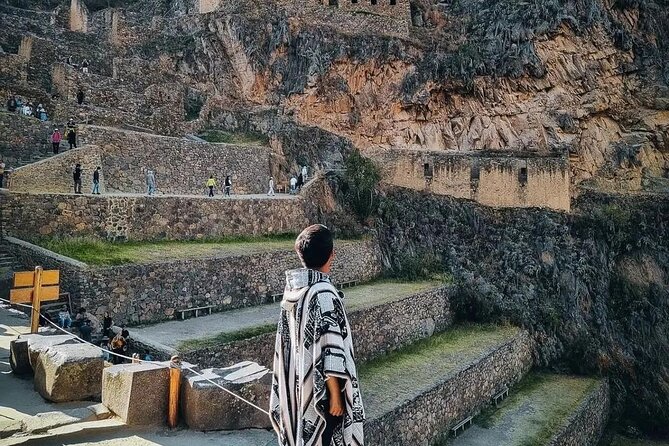
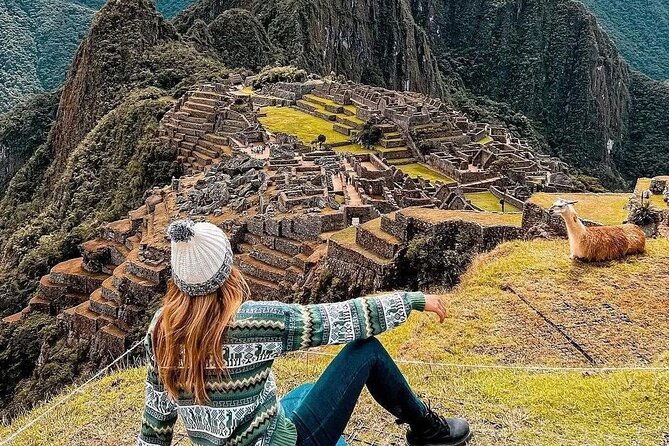
Ollantaytambo comes around 2:40 p.m. This was a military, religious, and agricultural center, and its massive stonework gives you a strong sense of Inca engineering.
This is likely the most substantial archaeological stop on the first day before Machu Picchu. The terraces and stone structures rise above the town, and the site helps explain why Ollantaytambo is so important in the rail journey to Aguas Calientes. You are not just passing through a transport hub. You are visiting a major Inca center.
The admission fee is not included. You have about an hour, so the guide will need to keep the group moving. Wear shoes that feel secure on uneven ground, and take the stairs at your own pace.
Ollantaytambo is also where the trip requires a firm choice. You can leave the group and take the train to Aguas Calientes for the night, which is recommended, or return with the road group to Cusco. The second option creates a very early start the next morning, with pickup at 4 a.m. for the transfer back to Ollantaytambo.
I strongly favor staying in Aguas Calientes. It costs extra because hotels are not included, but it saves you the long pre-dawn road transfer and makes day two less punishing. Confirm the train timing, hotel plan, and meeting arrangements before you leave the group.
The 4 a.m. Cusco start on day two
If you sleep in Cusco, day two begins at about 4 a.m. You will be driven to Ollantaytambo, a transfer listed at roughly two hours, then board the 6:10 a.m. train to Aguas Calientes.
This is workable, but it is not gentle. You need to be ready before dawn, and the return to Cusco later that day will make the whole experience long. The upside is that private transport and staff support remove much of the stress of coordinating the early connection yourself.
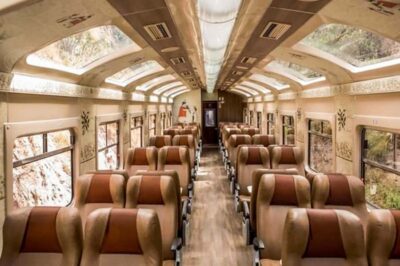
The train ride to Aguas Calientes takes about two hours. Expedition class is included. This is the standard practical option rather than a luxury rail product, but it gets you into the valley with the main transport problem handled.
If you stay in Aguas Calientes after Ollantaytambo on day one, you avoid the 4 a.m. Cusco pickup. The provided schedule still shows day two in a way that needs confirmation, so ask the operator where pickup occurs if you choose the overnight option.
Arriving at Aguas Calientes and taking the bus
The train is scheduled to arrive at about 8 a.m. A guide representative meets you at the station, then helps you take the bus to Machu Picchu. The bus ride is listed at about 45 minutes.
This handoff is one of the more valuable parts of the package. Aguas Calientes can feel confusing when you are watching the clock, managing bags, and trying to find the correct bus line. Having someone meet you is reassuring, especially after an early start.
Round-trip bus tickets between Aguas Calientes and Machu Picchu are included. You do not need to buy them separately, though you should still follow your guide’s instructions closely because entry times and transport schedules are fixed.
Machu Picchu at 9 a.m.
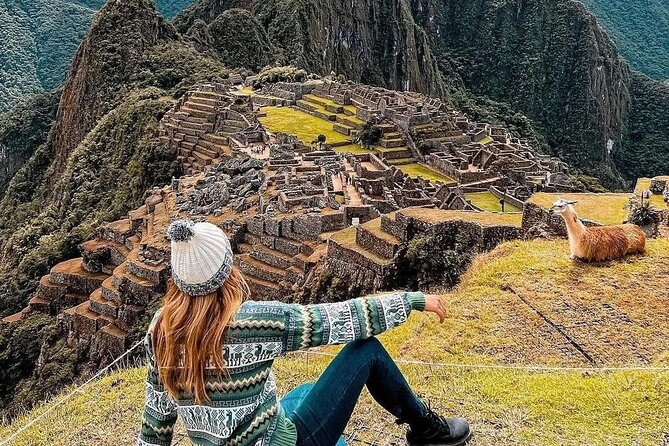
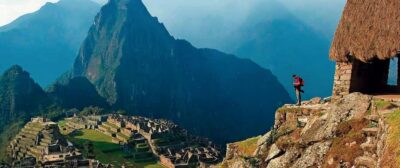
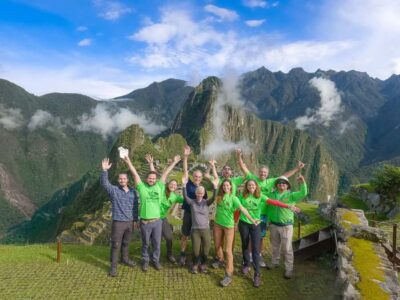
The guided visit is scheduled for 9 a.m., with about two hours inside the historic sanctuary. Entrance to Machu Picchu is included, as are the required permits.
The tour promises a spectacular sunrise, but the listed arrival and guide time point to a later morning visit. That does not make the experience poor, but it is an important difference for anyone choosing this tour mainly for first light over the ruins. Ask for the exact entry time and circuit before paying, since Machu Picchu access is controlled by timed admission.
Two hours is enough for a focused guided visit, particularly when your guide explains the site’s purpose and points out the major stonework and mountain views. It is not enough for an unhurried day of wandering through every available route. You will need to stay with the schedule.
The operator uses licensed English-speaking local guides, and the named guides associated with its wider Cusco services include Robinson, Robinzon, Teddy, Yoel, Wagner, and Robin. Their strengths include clear explanations of Inca culture, help with pacing, good timing at major sites, and a friendly approach. Your assigned guide is not guaranteed in advance, so request a preferred guide if that matters to you.
Lunch and the long return to Cusco
You leave Machu Picchu at about 11:30 a.m., taking the bus back to Aguas Calientes for lunch. Lunch on this day is not included, despite the package including lunch elsewhere, so plan to pay for your own meal.
After lunch, you take the return train to Ollantaytambo. A private driver waits there and takes you back to your Cusco hotel. The final drop-off is listed as a short 15-minute stop, but the full return journey is naturally much longer once the train and road transfer are counted.
This is why I would not schedule an important evening flight or an ambitious night out in Cusco after the tour. Arrival times can shift, and the provided times are only estimates.
What the $599 price really covers
At $599 per person, this is not a budget bus outing. It is priced around convenience and the expensive logistics of Machu Picchu.
The package includes:
- Private comfortable road transport
- Pickup and hotel drop-off
- A licensed English-speaking local guide
- Round-trip Expedition train tickets from Ollantaytambo to Aguas Calientes
- Machu Picchu entrance permits
- Round-trip bus tickets to the sanctuary
- Lunch, with vegetarian and vegan options
- Staff support and first-aid-trained personnel
- Airport transfers with staff accompaniment
Those inclusions add up. Machu Picchu admission, train seats, buses, and private transfers are the pieces that are hardest to arrange at short notice. A group capped at eight also gives you a more personal setup than a large coach.
But the price is not all-in. You must pay for hotels in Cusco or Aguas Calientes, tips, and the Sacred Valley entrance fee of S/ 90 per person. Lunch in Aguas Calientes is also not included. If you choose to stay overnight there, add the hotel cost before comparing this tour with a larger group option.
Pace, group size, and guide support
A maximum of eight people is a useful middle ground. You get the social ease of a small group while keeping private-style transport and attention. It should also be easier to hear the guide at Moray, Maras, and Ollantaytambo.
The strongest service feature is the guide support. Specific guides connected with the company, including Robinson, Robinzon, Teddy, Yoel, Wagner, and Robin, are praised for explaining Inca culture, adjusting to different physical speeds, offering local tips, and keeping complicated days organized. Wagner, for example, is noted for helping people through demanding hikes, while Robin is praised for suggesting good viewing times and local places.
Do not confuse this tour with a hiking expedition. The route involves walking around archaeological sites, but no multi-day trek is included. The supplied information says most people can participate, and service animals are allowed, but it does not provide a detailed accessibility assessment for stairs, uneven surfaces, or bus boarding.
What to settle before you pay
This experience is non-refundable and cannot be changed after booking, so confirm the details first. Ask these practical questions:
- Will you sleep in Cusco or take the train to Aguas Calientes on day one?
- Where exactly will you meet the guide on day two?
- Does the S/ 90 Sacred Valley fee cover every required site entrance?
- What lunch is included on day one?
- What Machu Picchu entry time and circuit will you receive?
- Is the advertised sunrise possible with the listed 9 a.m. entry?
The tour has a maximum of eight people, pickup is offered, and booking confirmation is normally sent at once unless you book within 12 hours of departure. In that case, confirmation depends on availability.
Who should book this two-day route?
I would recommend it to you if you have only two days, want the major Sacred Valley sights, and prefer having transport, tickets, and a guide organized in one purchase. It suits first-time visitors who want context at the archaeological sites without planning every train and bus connection.
It is also a good fit if you value personal service. The small group, private vehicle, staff accompaniment, and guide support are more useful here than flashy extras.
I would hesitate if you want a relaxed Sacred Valley visit, a guaranteed sunrise, or a long stay at Machu Picchu. The schedule is tight, the early start is severe if you remain in Cusco, and several costs sit outside the advertised price.
Should you book it?
Book this tour if your priority is an efficient, well-supported introduction to Cusco’s Inca sites and Machu Picchu. The strongest plan is to take the train to Aguas Calientes after Ollantaytambo, spend the night there, and confirm your Machu Picchu entry time before departure.
Skip it if you have more time and would rather spread the Sacred Valley over several days. For a short visit, though, the combination of Moray, Maras, Ollantaytambo, and Machu Picchu gives you a lot of Peru in two demanding but worthwhile days.
FAQ
Is hotel accommodation included?
No. Hotels in Cusco and Aguas Calientes are not included. You can ask the operator for recommendations based on your preferences.
Is the Sacred Valley entrance fee included?
No. The listed Sacred Valley entrance fee is S/ 90 per person. Individual admissions at Moray, Maras, and Ollantaytambo are also marked as not included, so confirm exactly what the fee covers.
Are Machu Picchu entrance tickets included?
Yes. Machu Picchu entrance permits are included, along with round-trip bus tickets between Aguas Calientes and Machu Picchu.
What kind of train is included?
Round-trip Expedition-class train tickets between Ollantaytambo and Aguas Calientes are included.
Is lunch included?
Lunch is included during the Sacred Valley day, with vegetarian and vegan options available. Lunch in Aguas Calientes after the Machu Picchu visit is not included.
How large is the group?
The tour has a maximum of eight participants. A private comfortable bus and a licensed English-speaking local guide are included.
Just added around Cusco
- Cusco: Via Ferrata, Skybike, and Rappel Adventure★ 5.0 · 3 reviews
- From Cusco: Maras and Moray and Ollantaytambo Tour★ 5.0 · 3 reviews
- Cusco: Rainbow Mountain Tour at Sunset Without the Crowds★ 4.7 · 3 reviews
- Cusco: Sacred Valley Day Trip with Maras & Moray Salt Mines★ 5.0 · 3 reviews
- Valle Sur Cusco | half day★ 4.3 · 3 reviews
- IN MACHU PICCHU: Private Tour Guide Service★ 5.0 · 3 reviews
- Salkantay trek to Machu Picchu – 5D/4N – Premium★ 3.3 · 3 reviews
- Full-Day Condor Viewpoint & Inca Sites Tour★ 5.0 · 3 reviews
Machu Picchu Tours, compared.
4-Day Inca Trail to Machu Picchu with Accommodation
Read our review →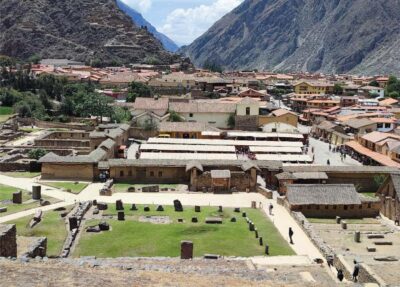
2-Day Trip to the Sacred Valley and Machu Picchu
Read our review →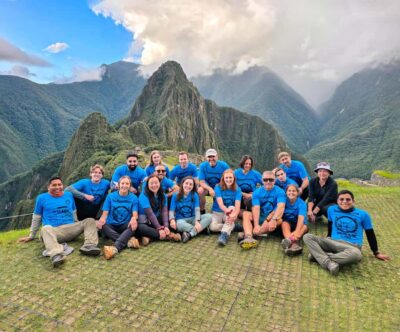
Machu Picchu 2-Day Inca Trail with Panoramic Train
Read our review →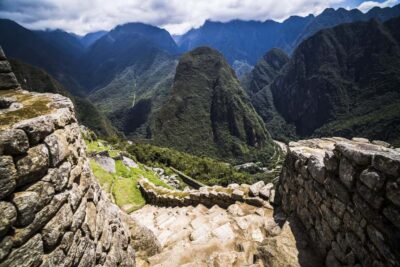
Browse the lists this tour appears in