
Reviewed · CHOCOLATE WORKSHOPS
Cusco: Chocolate Workshop with the Best Local Organic Cacao
Cusco’s chocolate story begins far from the city, in the jungle of the Cusco region where Chuncho cacao grows. In this 150-minute workshop, you learn how that local bean becomes Belgian-style pralines and mendiants, then carry home about 21 pralines and 10 mendiants made with your own hands.
I like two things right away: the class is genuinely hands-on, and the hilltop setting at Limbus Restobar gives you a broad view over Cusco while you work. I also like the mix of local ingredients, such as organic cacao, homemade jam, and nuts, with European chocolate-making methods. The main consideration is that the activity is not for children under 12, and one cancelled booking shows that occasional scheduling problems can occur.
In This Review
- Key points
- Why Chuncho cacao gives this class a Cusco identity
- Arriving at Limbus Restobar above Cusco
- The opening lesson on Peruvian chocolate
- Tempering chocolate and building the shells
- Choosing fillings, toppings, and local flavors
- Making the hot chocolate
- Packing roughly 31 pieces to take home
- What the teaching is really like
- Is $47 a fair price?
- Who should book this Cusco workshop?
- Small practical details that matter
- Should you book it?
- FAQ
- Where does the chocolate workshop take place?
- How long does the workshop last?
- What kind of cacao is used?
- What chocolates will I make?
- How many chocolates can I take home?
- Is hot chocolate included?
- Which languages are available?
- Are children allowed to attend?
Key points
- Chuncho cacao from the Cusco jungle: Learn why this organic local cacao has such a strong reputation.
- Belgian-style chocolate making: Practice tempering, fillings, pralines, and mendiants rather than simply watching a demonstration.
- About 31 handmade pieces: Take home roughly 21 pralines and 10 mendiants, packed in a personalized box.
- A city view at Limbus Restobar: The workshop takes place in a restobar with a panoramic view over Cusco.
- Hot chocolate included: Make and taste a hot chocolate as part of the class.
- Friendly named instructors: David, Ken, Angel, Marco, and Alex are among the instructors connected with the experience, with teaching available in English, Spanish, and French.
Why Chuncho cacao gives this class a Cusco identity
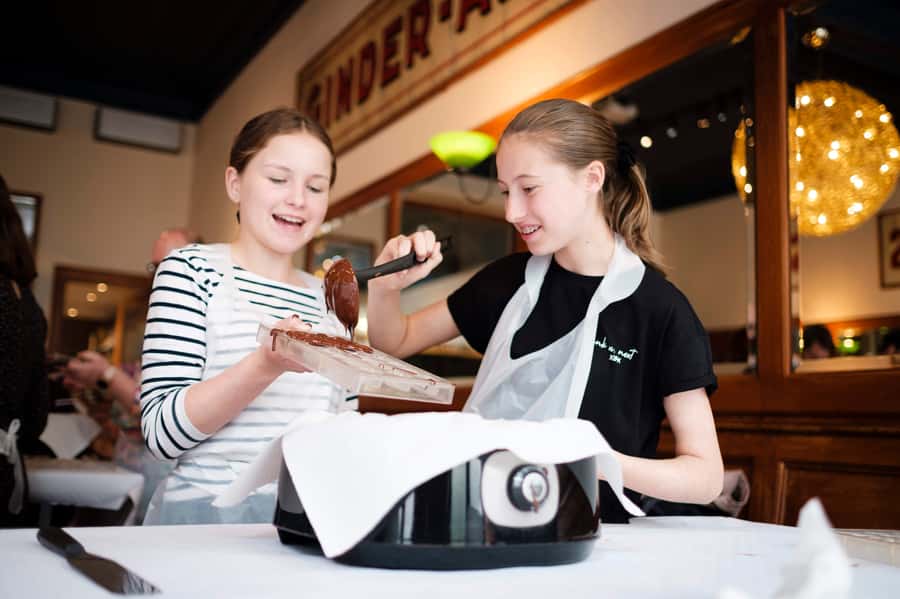
This is not simply a generic candy-making lesson moved to Peru. The central ingredient is organic and artisanal Chuncho cacao, a local product from the jungle of the Cusco region. The class uses it to explain why Peruvian chocolate has a character of its own.
That local connection matters. You are not only learning how to fill a chocolate shell. You are also hearing how cacao connects the highland city of Cusco with the warmer forest areas within the same region. The workshop gives you a small, edible link between those two parts of Peru.
The class presents Chuncho cacao as one of the world’s best organic cocoas. You should treat that as the workshop’s central claim rather than a formal ranking, but it still gives the lesson a clear purpose. You can taste the ingredient, work with it, and understand why local cacao is worth seeking out.
The cultural introduction comes before the practical work. That is useful because it gives the recipes some context. Instead of treating chocolate as a sweet souvenir, you get a short lesson in the product’s place in Peruvian culture and agriculture.
More cacao and chocolate workshops:
- Chocolate Workshop in Cusco with Premium Organic Cacao
★ 5.0 · 75 reviews - Cusco Cooking Class by ChocoMuseo in Cusco
★ 5.0 · 29 reviews - 1.5h Cusco Chocolate Workshop – Truffles & Hot Chocolate
★ 4.3 · 8 reviews
Arriving at Limbus Restobar above Cusco
You meet directly at Limbus Restobar. There is no hotel pickup, so allow time to reach the venue on your own and find the reception desk. Tell the receptionist you are there for the chocolate workshop, or say el taller de chocolate, and you will be directed to the class.
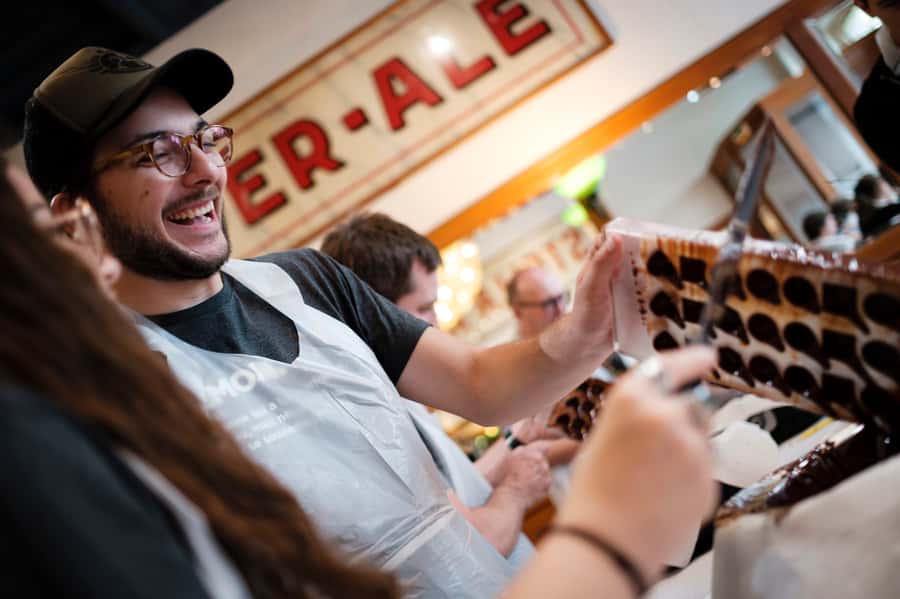
The location is part of the appeal. Limbus is known here for its panoramic view of Cusco, and the class takes place inside the restobar. You get a setting that feels different from a plain cooking classroom, with the city spread below you while you handle chocolate.
That view also shapes the mood. The workshop has a social side, and the combination of food, conversation, and a memorable setting makes it a good choice for a relaxed afternoon or evening activity. It is also a useful break from Cusco’s churches, museums, and archaeological sites.
The setting has one practical tradeoff. A restobar is not the same as a purpose-built chocolate kitchen. One person who enjoyed the class still wished there had been more time to see the cacao beans roasted and opened. If your main goal is a full bean-to-bar production tour, this workshop may feel limited.
The opening lesson on Peruvian chocolate
The first stage introduces the history and culture of chocolate before you start making anything. The instructors explain the cacao bean, the place of Peruvian cacao, and the qualities that make Chuncho cacao special.
The teaching style seems informal and lively. David receives repeated praise for his humor, warmth, and energy, while Ken, Angel, Marco, and Alex are also named in connection with instruction. The language choices are practical: English, Spanish, and French are available.
That matters in a class where timing and technique affect the result. You need to understand how chocolate is handled, when a mixture is ready, and how the fillings fit together. A friendly instructor can make the difference between a tense kitchen task and an enjoyable experiment.
You should expect plenty of explanation, but not a long academic lecture. The strength of this experience is participation. You learn enough background to make the practical work meaningful, then move quickly toward chocolate in your hands.
Tempering chocolate and building the shells
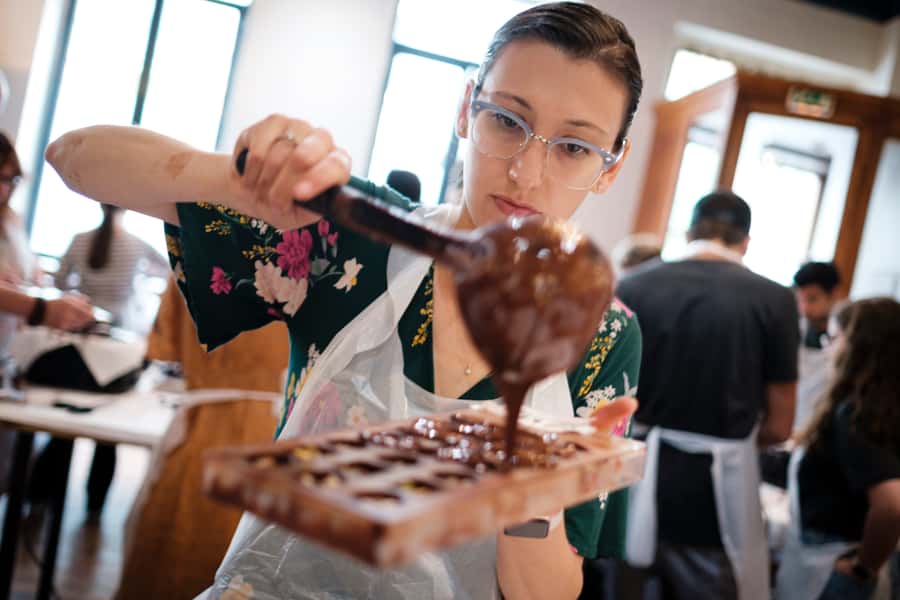
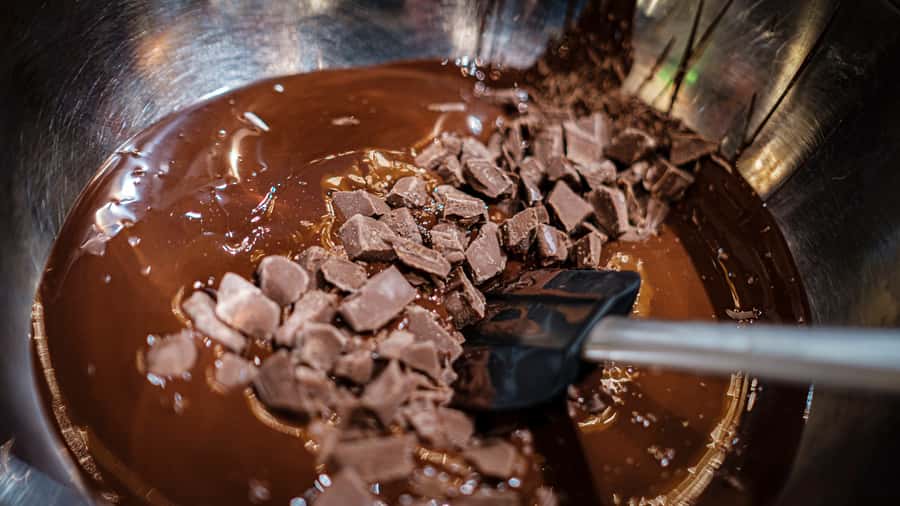
The class teaches Belgian-style pralines and mendiants from scratch. Tempering is one of the key techniques. This process helps give chocolate a smooth finish and a pleasant snap, though the supplied details do not specify every temperature or method used during the lesson.
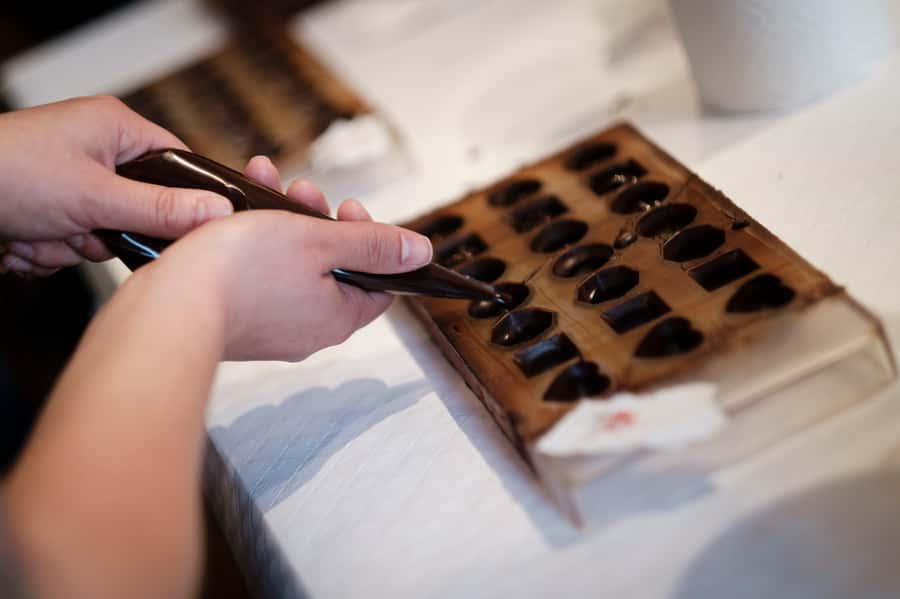
The practical part is where this experience earns its price. You are not just sampling a finished bonbon. You melt the chocolate, use molds, and work toward a finished product with guidance from the instructors.
For a first-time chocolate maker, the process can be more exact than it looks. Chocolate reacts to heat, moisture, and timing. The instructors assist from start to finish, so you do not have to work out each stage alone.
One useful point is that the workshop does not promise professional pastry training. You are learning a fun, approachable technique that you can remember after leaving Cusco. The finished sweets are the reward, but the real value is learning enough to repeat part of the process at home.
Same base, a completely different day in the Andes:
- Cusco: Humantay Lake Tour with Breakfast and Buffet Lunch
★ 4.9 · 2,976 reviews - From Cusco: Sacred Valley & Maras Salt Mines Tour with Lunch
★ 4.8 · 2,227 reviews - From Cusco: Moray, Maras Salt Mines & Chinchero Weavers Tour
★ 4.8 · 1,925 reviews - From Cusco: Full-Day Group Tour of Machu Picchu
★ 4.7 · 1,767 reviews
Choosing fillings, toppings, and local flavors
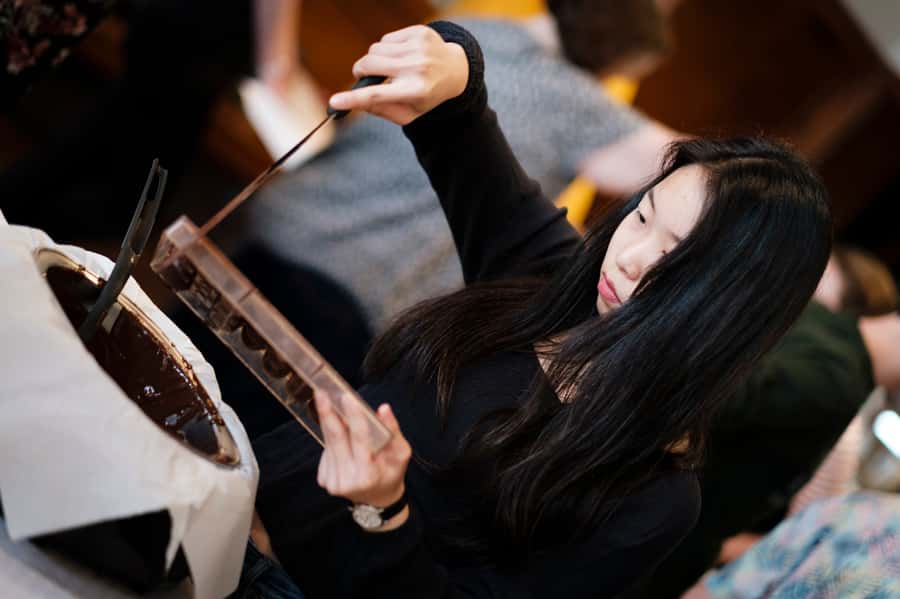
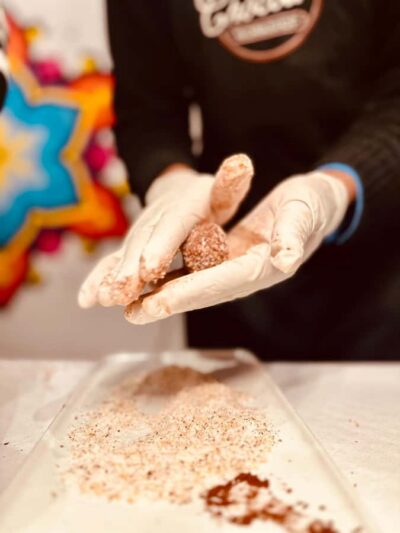
Once the chocolate shells or bases are ready, you choose what goes inside and on top. The options include ganache made during the workshop, homemade local jam, and a wide range of local and organic nuts.
This is one of the most personal parts of the class. Two people can use the same cacao and create very different boxes. You can keep your chocolates simple, focus on the ganache, or add nuts and other toppings for more texture.
The use of local jam and organic nuts gives the activity more character than a standard candy class. You are working with ingredients connected to the region, not only imported decorations chosen for appearance.
The class also allows room for mistakes and odd combinations. That is part of the fun. Do not expect every piece to look like it came from a professional chocolate shop. Handmade pralines have uneven edges and personal touches, which is exactly why they make a better souvenir than another mass-produced bar.
Making the hot chocolate
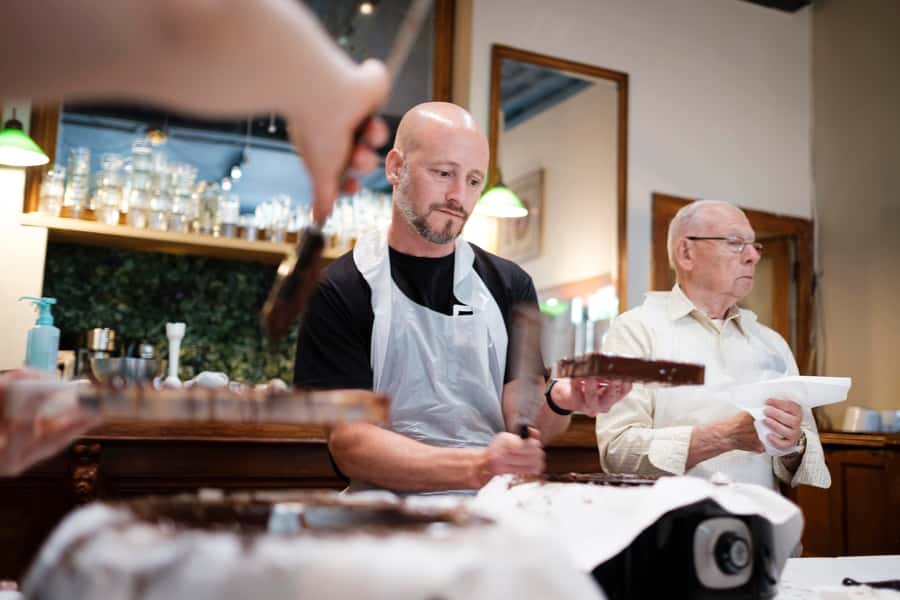
Hot chocolate is not just a drink offered on the side. You learn how to make it and taste it during the workshop. That adds a warm, simple counterpoint to the more technical praline work.
The hot chocolate is also a reminder that cacao can be enjoyed in more than one form. You move from the bean’s story to melted chocolate, filled bonbons, decorated mendiants, and a drink made during the class.
One person specifically described the hot chocolate as a highlight. You should not expect a detailed beverage course, since the main focus remains the chocolates, but this part gives the session a welcome pause and another chance to taste the cacao.
If you have diabetes, note that the experience is listed as unsuitable for you. The class centers on chocolate, ganache, jam, and sweet tasting, so this is not an easy activity to adapt around strict sugar restrictions.
Packing roughly 31 pieces to take home
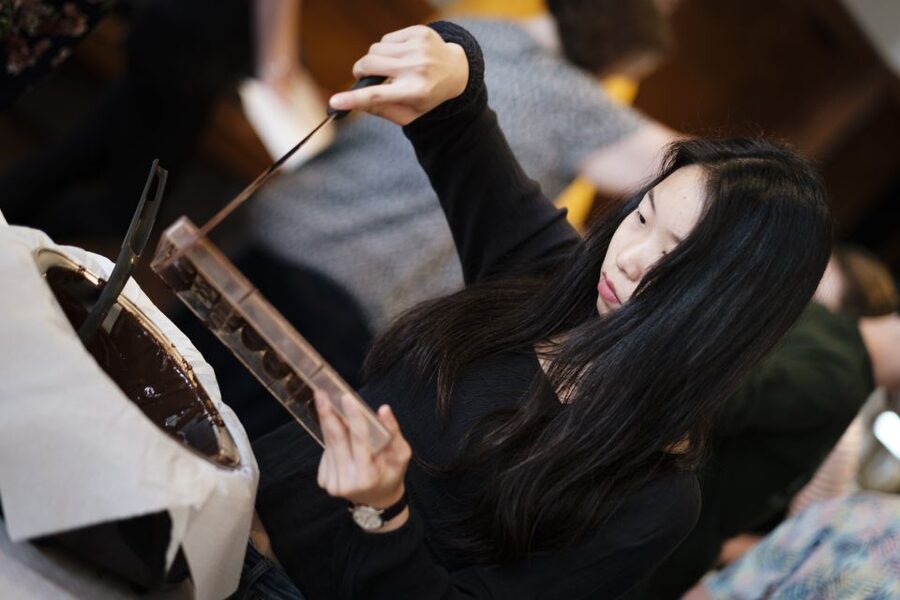
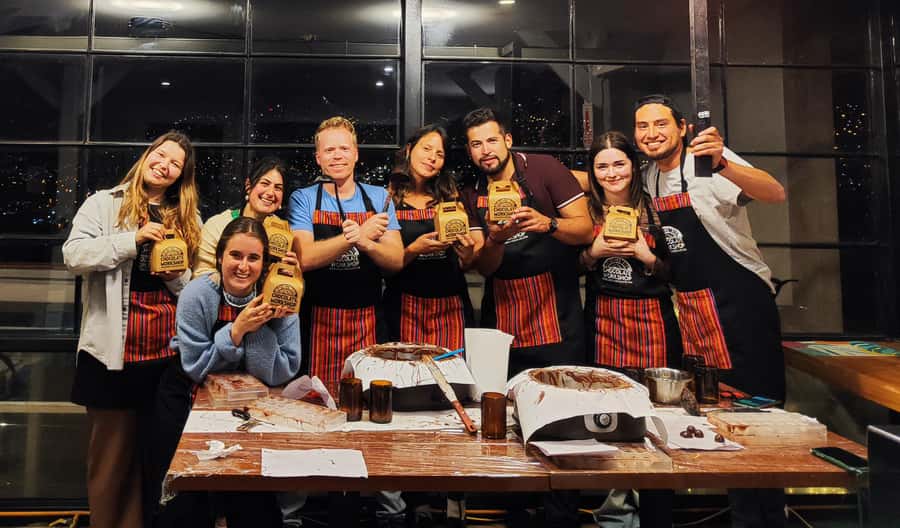
The supplied amount is 300 grams of chocolate per person. By the end, you can take home around 21 pralines and 10 mendiants of your own creation. The exact look and weight of each piece will depend on how much filling and topping you use.
A personalized box is provided for the trip home. That packaging makes the class especially appealing for couples, families with older children, and friends who want a shared souvenir rather than another object from a market stall.
You can share the chocolates with family and friends, though you may want to keep a few for yourself. Handmade sweets carry the memory of the activity better than a sealed box bought at the airport.
The box also gives you a practical reason to plan the class with your schedule in mind. You may want to avoid placing it immediately before a long, hot journey if you are concerned about chocolate softening. The supplied information does not give storage or transport instructions, so ask the instructor if you need specific advice.
What the teaching is really like
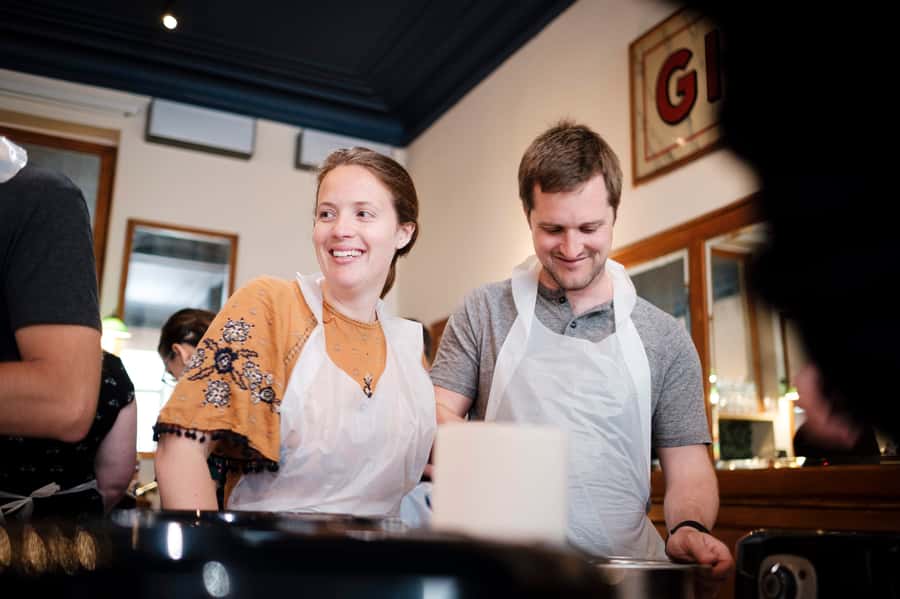
The human side of this activity receives as much attention as the cacao. David is repeatedly singled out for being funny, warm, and energetic. Another class was led by David and Marco, while other sessions included Alex, Ken, and Angel.
That range suggests the teaching team can change from one session to another. If you have your heart set on a particular instructor, confirm availability when booking rather than assuming one person will lead every class.
The class is social and interactive. It suits you if you enjoy talking with other people while working, asking questions, and laughing at imperfect results. It may be less satisfying if you want quiet, highly technical instruction with exact pastry-school precision.
The language support is a real benefit in an international city. You can take the workshop in English, Spanish, or French. Still, the quality of the experience will depend partly on the instructor assigned that day, since the named teachers have different styles.
Is $47 a fair price?
At $47 per person, the workshop is not the cheapest chocolate tasting in Cusco. It is also more than the price of buying a few local chocolate bars. The comparison is not quite fair, though, because the fee includes 2.5 hours of instruction, 300 grams of chocolate, all ingredients and utensils, hot chocolate, assistance throughout, and a take-home box.
I see the value in the amount of participation. You receive a food activity, a cultural lesson, a city view, and a substantial edible souvenir. If you make close to 31 pieces, the price works out as a reasonable cost for an afternoon experience, especially if you would otherwise pay for a separate meal or indoor activity.
The value drops if you mainly want to eat chocolate and do not care about making it. In that case, a tasting or a visit to a chocolate shop may suit you better. You are paying for the process here, not only the final sweets.
Reserve and pay later is available, and cancellation is free up to 24 hours before the activity for a full refund. One booking was cancelled only a few hours after it was made and had not yet been refunded at the time of the report, so I would keep an eye on your booking status and refund confirmation if the operator changes the schedule.
Who should book this Cusco workshop?
I would choose this class for you if you want a hands-on food activity with a strong local ingredient. It is a good fit after several days of sightseeing, when you want something social and indoors but still tied to Peru.
It also suits couples and groups of friends. The making process gives everyone something to do, and the shared box creates a natural souvenir. Older children may enjoy it, but nobody under 12 is allowed, and unaccompanied minors are not permitted.
You will likely enjoy it if you like trying techniques rather than chasing perfect results. The class is playful, guided, and practical. Its best moments come from creating something that looks good enough to share, even if every praline is not identical.
I would hesitate if you need a full cacao-farm visit, a roasting demonstration, or a detailed look at every stage from bean to finished chocolate. The class explains cacao and teaches confectionery, but the available details do not include a farm visit or bean-roasting session.
Small practical details that matter
Plan to arrive at Limbus Restobar rather than waiting for a vehicle. There is no pickup, and you must identify yourself at reception as a chocolate workshop participant.
The full session lasts 150 minutes. That is long enough for an introduction, demonstrations, making the chocolates, preparing hot chocolate, and packing the finished pieces. Check the available start time before booking because the exact schedule can vary.
Filtered water is included. All ingredients and utensils are supplied, so you do not need to bring kitchen equipment.
The experience does not allow spectators. Everyone attending needs to be part of the workshop, which keeps the activity focused but means a friend cannot simply sit nearby and watch.
Should you book it?
Book this workshop if you want to do something with your hands, taste a distinctive Peruvian ingredient, and leave Cusco with a box of homemade sweets. The combination of Chuncho cacao, Belgian-style methods, local fillings, hot chocolate, and a panoramic city view gives the activity a clear sense of place.
Skip it if you want a serious bean-to-bar course or a quiet tasting with no group interaction. For most people who enjoy food, craft, and a little guided fun, $47 is a fair price for the time, instruction, ingredients, and take-home chocolate. Just confirm the meeting point, note the age and diabetes restrictions, and allow enough time to reach Limbus Restobar.
FAQ
Where does the chocolate workshop take place?
It takes place at Limbus Restobar in Cusco, a venue with a panoramic view of the city. Meet at reception and say you are attending the chocolate workshop, or el taller de chocolate.
How long does the workshop last?
The workshop lasts 150 minutes, or two and a half hours.
What kind of cacao is used?
The class uses 100 percent organic and artisanal Chuncho cacao from the jungle of the Cusco region.
What chocolates will I make?
You will make Belgian-style pralines and mendiants from scratch. The class also includes making ganache and using toppings such as homemade local jam and organic nuts.
How many chocolates can I take home?
You can take home around 21 pralines and 10 mendiants made during the workshop. The included chocolate amount is 300 grams per person.
Is hot chocolate included?
Yes. You will learn how to make hot chocolate and taste it during the workshop.
Which languages are available?
Instruction is available in English, Spanish, and French.
Are children allowed to attend?
Children under 12 are not allowed. Unaccompanied minors are also not permitted, and spectators cannot attend without participating.
Just added around Cusco
- Cusco: Via Ferrata, Skybike, and Rappel Adventure★ 5.0 · 3 reviews
- From Cusco: Maras and Moray and Ollantaytambo Tour★ 5.0 · 3 reviews
- Cusco: Rainbow Mountain Tour at Sunset Without the Crowds★ 4.7 · 3 reviews
- Cusco: Sacred Valley Day Trip with Maras & Moray Salt Mines★ 5.0 · 3 reviews
- Valle Sur Cusco | half day★ 4.3 · 3 reviews
- IN MACHU PICCHU: Private Tour Guide Service★ 5.0 · 3 reviews
- Salkantay trek to Machu Picchu – 5D/4N – Premium★ 3.3 · 3 reviews
- Full-Day Condor Viewpoint & Inca Sites Tour★ 5.0 · 3 reviews
Chocolate Workshops, compared.
Chocolate Workshop in Cusco with Premium Organic Cacao
Read our review →
1.5h Cusco Chocolate Workshop – Truffles & Hot Chocolate
Read our review →
Browse the lists this tour appears in