
Reviewed · CHOCOLATE WORKSHOPS
Cusco: Bean to bar chocolate workshop
Cusco’s chocolate workshop lets you handle the whole process, not just dip a few sweets and call it a class. You roast cacao beans, remove the husks, grind the nibs on a metate and mano, and refine the paste before molding your own bar.
I like the hands-on work and the chance to taste cacao at several stages. I also like that you leave with chocolates made to your own taste, plus drinks linked to Maya and conquistador traditions. The main drawback is the short two-hour schedule, which means the class must keep each stage moving.
In This Review
- Key points to know before booking
- From cacao bean to chocolate bar in Cusco
- Roasting the beans and removing the husk
- Grinding cacao with a metate and mano
- Hot chocolate with Maya and conquistador traditions
- Molding your own organic chocolate bar
- Why the two-hour format works
- Value for your Cusco itinerary
- Who will enjoy this workshop most
- Practical booking advice for Cusco
- What makes this more than a chocolate tasting
- Is the Cusco chocolate workshop worth booking?
- FAQ
- How long does the Cusco bean-to-bar chocolate workshop last?
- Which languages are available?
- What chocolate-making steps will I learn?
- Can I make my own chocolate bar?
- Can I take the handmade chocolates home?
- What are the cancellation and payment options?
Key points to know before booking
- Roast and peel your own cacao beans: You work with the beans before they become chocolate.
- Grind cacao on a metate and mano: This traditional method connects the class to older chocolate-making practice.
- Make hot chocolate from your own cacao paste: The process is more complete than a simple confectionery demonstration.
- Choose ingredients for your own chocolate bar: Your finished sweets are personal rather than pre-made souvenirs.
- Learn in English or Spanish: The live guide leads the workshop in either language.
- Plan around a two-hour visit: It fits neatly into a Cusco sightseeing day, but last-minute bookings need extra care.
From cacao bean to chocolate bar in Cusco
This is a short, focused workshop built around one question: how does a cacao bean become chocolate?
You begin with an introduction to cacao and the chocolate-making process. The workshop also includes a museum component, so the class is not only about mixing ingredients. You learn why cacao matters in Peru and why Cusco is associated with high-quality chocolate.
The useful part is that the explanation quickly turns into work. Instead of watching a finished bar appear, you follow the main stages yourself. That gives you a better sense of why chocolate has so many flavors and textures before sugar, milk, and other ingredients are added.
The guides speak English or Spanish. No individual guide names are provided, so you should not expect to request a particular instructor. If language matters to you, select the language that suits you when booking and make sure the supplier has your correct phone number with country code and WhatsApp.
More cacao and chocolate workshops:
- Chocolate Workshop in Cusco with Premium Organic Cacao
★ 5.0 · 75 reviews - Cusco Cooking Class by ChocoMuseo in Cusco
★ 5.0 · 29 reviews - Cusco: Chocolate Workshop with the Best Local Organic Cacao
★ 4.5 · 23 reviews
Roasting the beans and removing the husk
The first practical stage is roasting the cacao beans. Roasting changes the beans and prepares them for the next steps, much as roasting changes the flavor of coffee. Here, you are not simply tasting a chocolate sample. You are handling the raw material and seeing how it begins to develop.
Next comes removing the cacao husk. This sounds simple, but it is an important part of the process. The husk is not the smooth chocolate center you want in your finished bar, so separating it helps you understand what actually goes into the paste.
I like this part because it slows the process down. A chocolate bar from a shop hides all this work behind attractive packaging. In the workshop, the beans make you pay attention to the basic ingredients and the labor involved.
The class is only two hours, so the roasting and peeling stages are likely to be demonstrations combined with participant work rather than a long production session. The supplied information confirms that you roast and remove the husk, but it does not give exact timings for each step. Expect an active overview, not a full-day apprenticeship.
Grinding cacao with a metate and mano
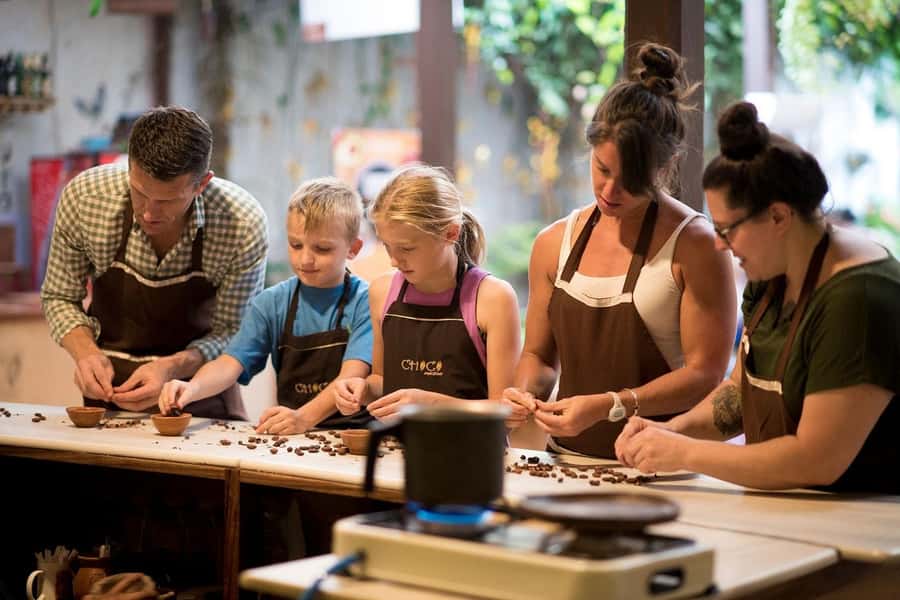
After peeling, you grind the cacao nibs on a metate with a mano. This is the most distinctive part of the workshop because it uses the same basic style of stone grinding associated with the Aztecs.
The metate and mano give you a direct feel for the effort behind traditional cacao preparation. A modern machine can turn nibs into paste quickly, but the stone tools show how people worked before electric equipment became standard.
This stage also helps explain texture. You can see the nibs change as they are crushed, and you begin to understand how cacao paste differs from the chocolate bars sold in shops. It is a physical process, not just a history lesson.
The class also introduces a melangeur, which refines the cacao paste. This modern piece of equipment follows the traditional grinding stage and shows how chocolate production combines old methods with newer tools.
A recent class account specifically noted that participants roasted, peeled, and ground their own cacao paste for hot chocolate. That detail matters. You are not only decorating an already finished product. You take part in the difficult middle stage and then taste the result.
Hot chocolate with Maya and conquistador traditions
The workshop includes hot chocolate, with drinks described as Maya and conquistador styles. These drinks give the class a tasting element and connect chocolate to its wider cultural story.
The Maya and conquistador references are useful because chocolate has not always been treated as a sweet candy. Its preparation and use changed over time, and the class presents those different traditions through drinks.
The exact ingredients and recipes for each drink are not specified, so do not book this expecting a fixed list of spices or a particular milk base. The important point is that you taste hot chocolate made as part of the workshop, including paste prepared during the process.
For me, this is one of the strongest reasons to choose the class over a basic chocolate shop visit. You get to taste chocolate close to its source and compare it with the finished bar you make later.
Same base, a completely different day in the Andes:
- Cusco: Humantay Lake Tour with Breakfast and Buffet Lunch
★ 4.9 · 2,976 reviews - From Cusco: Sacred Valley & Maras Salt Mines Tour with Lunch
★ 4.8 · 2,227 reviews - From Cusco: Moray, Maras Salt Mines & Chinchero Weavers Tour
★ 4.8 · 1,925 reviews - From Cusco: Full-Day Group Tour of Machu Picchu
★ 4.7 · 1,767 reviews
Molding your own organic chocolate bar
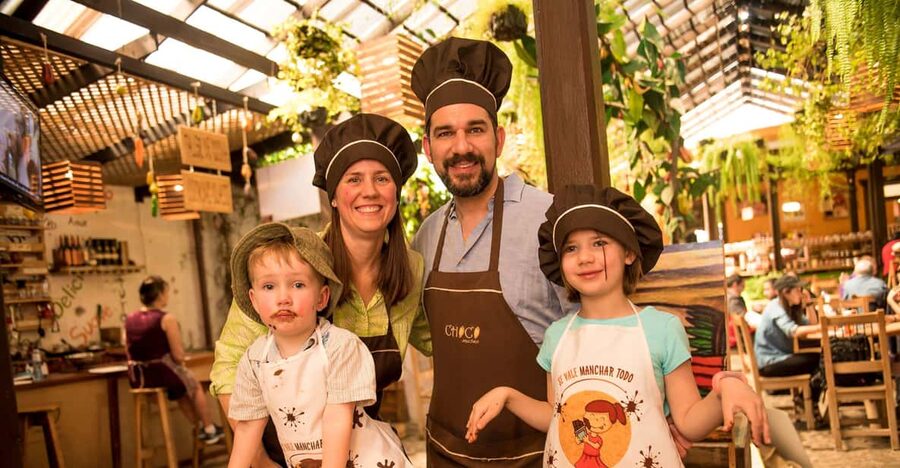
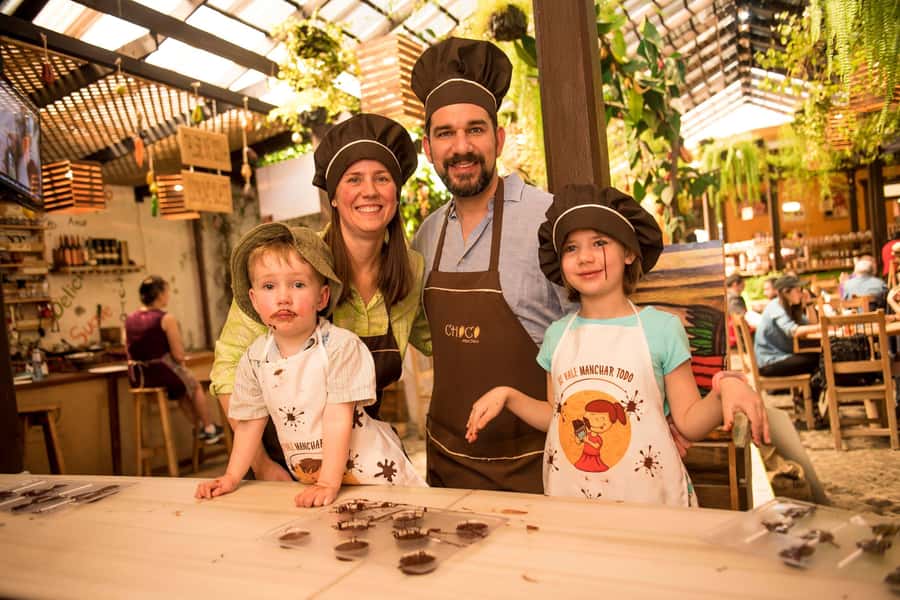
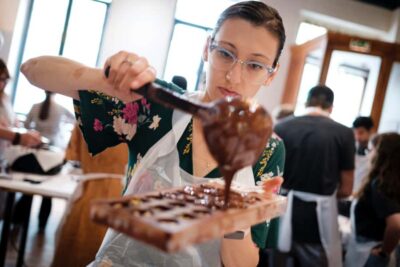
Once the cacao has been processed, you make your own chocolate. The activity describes the chocolate as organic and lets you choose ingredients according to your taste.
That choice makes the souvenir more personal. You are not handed an identical bar made for every participant. You create something that reflects what you like, then take the handmade chocolates home.
The ingredients available for customization are not listed, so you should not assume a certain selection of nuts, dried fruit, spices, or other additions. The class promises a choice of ingredients, but the exact options may vary.
You can also eat your chocolate during the visit, of course. If you plan to carry it home, keep in mind that the class is in Cusco and the activity does not provide information about packaging, storage, or shipping. The practical approach is to ask the supplier how the chocolate will be wrapped before you leave.
The bar-making stage is likely to appeal most to families, couples, and anyone who wants a small handmade keepsake rather than another standard souvenir. It also gives you a clear ending to the lesson: cacao bean in, chocolate bar out.
Why the two-hour format works
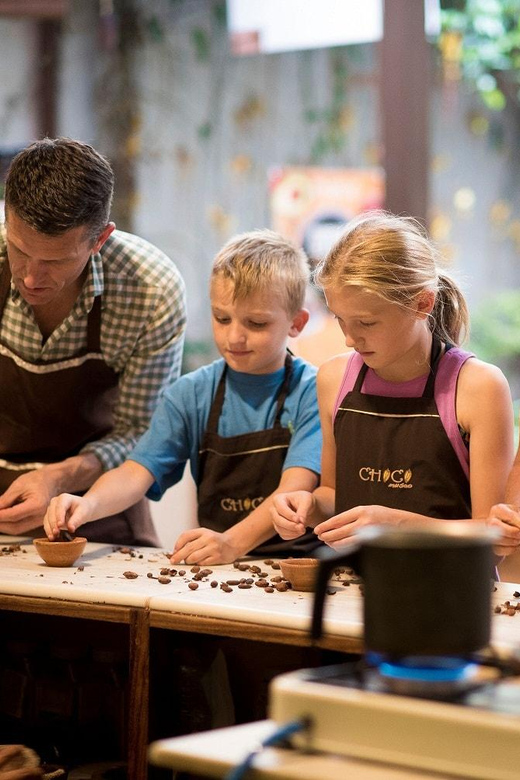
Two hours is enough time to learn the main steps without turning the class into a major commitment. You can fit it between other Cusco plans, and it does not require giving up a full morning or afternoon.
That short format also creates a limit. You will receive an overview of four key processes:
- Roasting the cacao beans
- Removing the cacao husk
- Grinding the nibs on a metate with a mano
- Refining the cacao paste in a melangeur
You should expect a clear introduction to each process, with time to participate and taste along the way. You should not expect to produce chocolate from every stage entirely on your own or study cacao agriculture in great depth.
The workshop is a good break from Cusco’s major archaeological sights and long day trips. It gives you something to do with your hands and your appetite. At two hours, it is especially useful on a day when you want a low-effort cultural activity.
Value for your Cusco itinerary
The listed price is not provided here, so I cannot judge the exact cost in soles or dollars. I would assess the value by looking at what is included: a museum and workshop visit, a live guide, hands-on preparation, hot chocolate, drinks connected to Maya and conquistador traditions, and handmade chocolate to take away.
That is more useful than paying only for a tasting. You are paying for instruction, ingredients, equipment, and a finished souvenir. If the price is close to other short food workshops in Cusco, the personal work involved makes it a sensible choice.
The value is less clear if you mainly want to buy premium Peruvian chocolate or if you dislike sweet foods. This is an activity built around making and tasting chocolate, so the subject does not fade into the background.
There is also good value for families and small groups, though the available information does not state the group size. Ask the supplier if you need a private session or have a particular group arrangement in mind.
Who will enjoy this workshop most
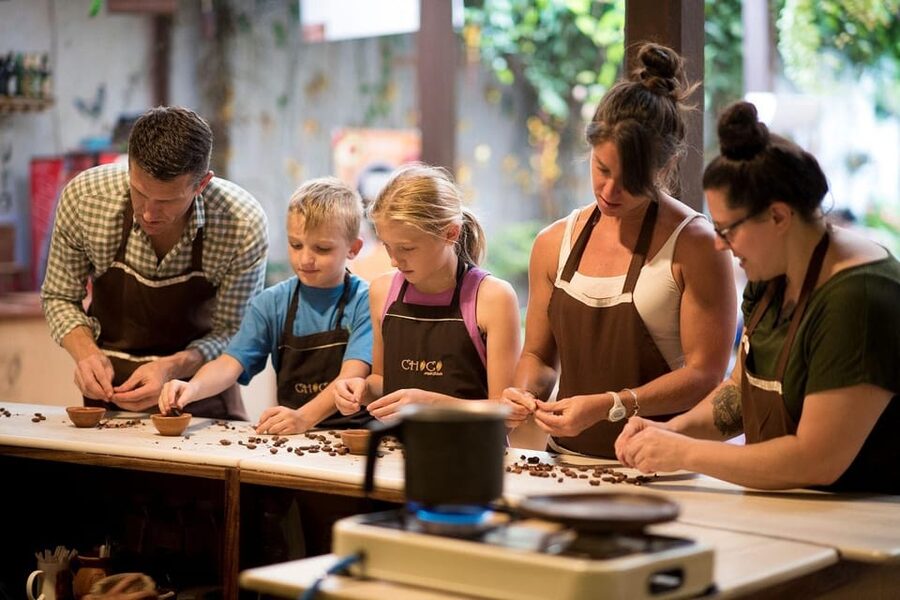
I would recommend the class to you if you enjoy food with a story behind it. It suits people who want to understand ingredients rather than simply sample the final dish.
It is also a good choice for:
- Couples looking for a short shared activity
- Families who like practical demonstrations
- Chocolate fans curious about cacao before sugar and flavorings
- Visitors wanting a modest, easy-to-carry Peruvian souvenir
- People with a free two-hour gap in a Cusco schedule
You may want to skip it if you prefer outdoor activities, major ruins, or a longer culinary course. The workshop does not replace a full cacao farm visit, and no farm transportation or countryside excursion is included in the information provided.
It is also not the right pick if you need a highly specialized chocolate class. You learn the main bean-to-bar stages, but the experience is designed for general visitors rather than professional confectioners.
Practical booking advice for Cusco
The activity offers free cancellation up to 24 hours before the start time, with a full refund. It also allows you to reserve now and pay later, which helps if your Cusco schedule may shift around weather, train plans, or altitude adjustment.
For a last-minute reservation, check availability with the supplier by email before booking. This is important because the activity asks you to provide a correct phone number with country code and have WhatsApp available.
The starting time is not fixed in the information provided. Check the available times for your date rather than assuming a morning or afternoon session.
English and Spanish are available, and the tour has a live guide. If you are traveling with children or anyone who needs slower explanations, confirm the language and timing before you commit.
No transportation details are provided, so do not assume hotel pickup. Check the meeting point carefully and allow enough time to reach the workshop in Cusco.
What makes this more than a chocolate tasting
The strongest feature is the sequence. You see cacao as a bean, roast it, remove its husk, grind it, refine it, drink it, and then shape it into a bar.
That sequence helps you understand the product in a way a shop tasting cannot. You get the smell of roasted beans, the feel of the ground nibs, and the contrast between cacao paste and sweetened chocolate.
I also like that the class includes both traditional and modern methods. The metate and mano show the older technique, while the melangeur explains how refinement is handled with equipment. That balance gives the workshop a practical sense of time and process without making it a long academic lecture.
The organic chocolate and take-home bar add a clear reward. You leave with something you made, but the better souvenir is knowing how much work sits behind a small piece of chocolate.
Is the Cusco chocolate workshop worth booking?
Book it if you want a short, hands-on food activity with real participation. The workshop gives you more than a tasting: you roast, peel, grind, refine, drink hot chocolate, and mold your own organic bar.
I would be cautious only if the exact ingredients, meeting point, or group format matter greatly to you, since those details are not provided and should be confirmed before payment. Also check last-minute availability by email and keep WhatsApp active for supplier contact.
For most chocolate lovers, families, and curious first-time visitors to Cusco, this is a worthwhile two-hour addition to a sightseeing plan. It will not show you every part of cacao production, but it offers a clear, tasty, and pleasantly practical look at how bean becomes bar.
FAQ
How long does the Cusco bean-to-bar chocolate workshop last?
The workshop lasts two hours. Check the available starting times for your chosen date.
Which languages are available?
A live guide leads the activity in English or Spanish.
What chocolate-making steps will I learn?
You learn to roast cacao beans, remove the cacao husk, grind cacao nibs on a metate with a mano, and refine the cacao paste in a melangeur.
Can I make my own chocolate bar?
Yes. You make your own organic chocolates and create a chocolate bar with ingredients chosen to suit your taste.
Can I take the handmade chocolates home?
Yes. You can take your handmade chocolates with you, unless you eat them during or after the class.
What are the cancellation and payment options?
You can cancel up to 24 hours in advance for a full refund. You can also reserve your place and pay later. For a last-minute reservation, check availability with the supplier by email before booking.
Just added around Cusco
- Cusco: Via Ferrata, Skybike, and Rappel Adventure★ 5.0 · 3 reviews
- From Cusco: Maras and Moray and Ollantaytambo Tour★ 5.0 · 3 reviews
- Cusco: Rainbow Mountain Tour at Sunset Without the Crowds★ 4.7 · 3 reviews
- Cusco: Sacred Valley Day Trip with Maras & Moray Salt Mines★ 5.0 · 3 reviews
- Valle Sur Cusco | half day★ 4.3 · 3 reviews
- IN MACHU PICCHU: Private Tour Guide Service★ 5.0 · 3 reviews
- Salkantay trek to Machu Picchu – 5D/4N – Premium★ 3.3 · 3 reviews
- Full-Day Condor Viewpoint & Inca Sites Tour★ 5.0 · 3 reviews
Chocolate Workshops, compared.
Chocolate Workshop in Cusco with Premium Organic Cacao
Read our review →
Chocolate Workshop with the Best Local Organic Cacao
Read our review →
1.5h Cusco Chocolate Workshop – Truffles & Hot Chocolate
Read our review →Browse the lists this tour appears in