
Reviewed · CHOCOLATE WORKSHOPS
Chocolate Workshop in Cusco with Premium Organic Cacao
Cusco’s best chocolate experience is also a small cooking class, a sunset lookout, and a pleasant way to spend an evening. In about two and a half hours, you’ll turn organic Chuncho cacao from the Sacred Valley into roughly 21 pralines and 10 mendiants, then pack them in a box to take home.
I like the hands-on format, since you do more than watch someone temper or melt chocolate. I also like the setting, with views across Cusco that become especially appealing around the 5 p.m. start. The main consideration is that this is a chocolate-making class, not a full cacao-processing tour. You work with prepared chocolate rather than roasting and grinding cacao beans yourself.
In This Review
- Key points to know
- What happens at the Cusco chocolate workshop
- Chuncho cacao from the Sacred Valley
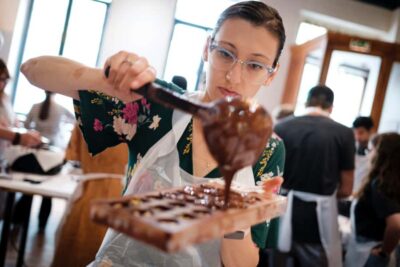
- Making 21 pralines and 10 mendiants
- A hot chocolate you prepare yourself
- Cusco views at sunset
- The instructors and the feel of the class
- Is $45 a fair price?
- Who should book this experience?
- Planning the evening around the class
- Should you book the Cusco Chocolate Workshop?
- FAQ
- Where does the chocolate workshop take place?
- What time does the workshop start?
- How long does the experience last?
- What kind of cacao is used?
- How many chocolates will I make?
- Is hot chocolate included?
- Can children join the class?
- What happens if I need to cancel?
Key points to know
- About 31 chocolates to take home: You make around 21 pralines and 10 mendiants, with a personalized box supplied at the end.
- Chuncho cacao from the Sacred Valley: The workshop uses 100% organic, artisanal cacao from a part of Peru known for high-quality cacao production.
- Belgian-style techniques: You learn to make ganache, pralines, mendiants, and a hot chocolate.
- A strong sunset setting: The class begins at 5 p.m., giving you a chance to see Cusco in evening light.
- A small-group class: The maximum is 15 people, with personal help from the instructor.
- A useful first-days-in-Cusco activity: The relaxed pace makes this a good choice while you are getting used to the high altitude.
What happens at the Cusco chocolate workshop
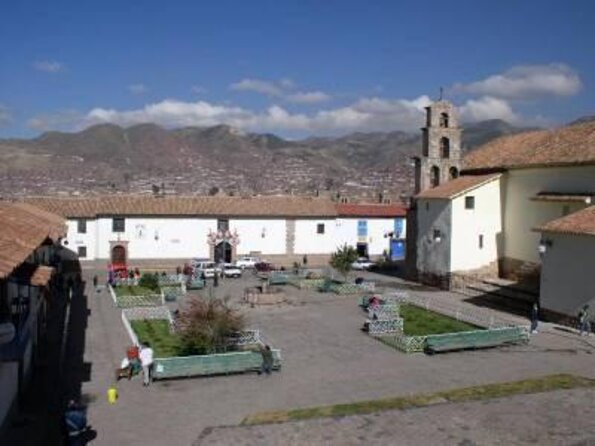
The class meets at C. Pasñapakana 133 in central Cusco and finishes at the same place. The scheduled start is 5 p.m., and the full activity lasts about two and a half hours.
The experience begins with an introduction to chocolate’s place in local culture and its wider history. This gives the class some context before you start working. You learn about the cacao used in the workshop, then move into the practical part, where the instructor explains each step and helps you shape and decorate your chocolates.
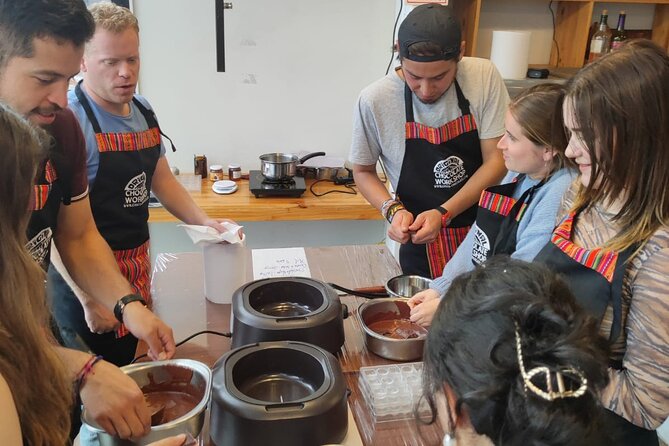
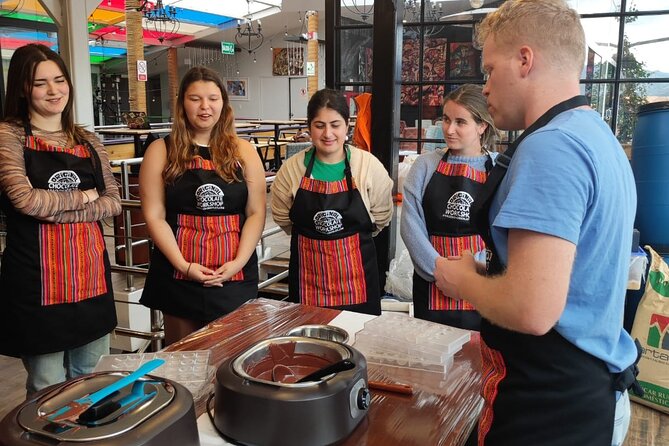
The class is designed for participation. You are not simply standing at a counter while a chef does the work. You prepare fillings, work with ganache, select toppings, and assemble your own pieces. That makes the experience more rewarding than a standard tasting, especially if you enjoy taking home something you made yourself.
The pace also seems suited to a mixed group. The class is available to adults and children aged 12 and older, and the maximum group size is 15 people. That is large enough to create a social atmosphere but small enough for the instructor to offer individual help.
More cacao and chocolate workshops:
- Cusco Cooking Class by ChocoMuseo in Cusco
★ 5.0 · 29 reviews - Cusco: Chocolate Workshop with the Best Local Organic Cacao
★ 4.5 · 23 reviews - 1.5h Cusco Chocolate Workshop – Truffles & Hot Chocolate
★ 4.3 · 8 reviews
Chuncho cacao from the Sacred Valley
The cacao is one of the best reasons to book this class. You use 100% organic, artisanal Chuncho cacao from the Sacred Valley of the Incas in the Cusco region.
The word organic matters here because the workshop presents the cacao as a finished food with a clear local identity, not just as generic baking chocolate. Chuncho cacao is associated with the Cusco area and is prized for its quality. You get to connect the finished pralines to the place you are visiting.
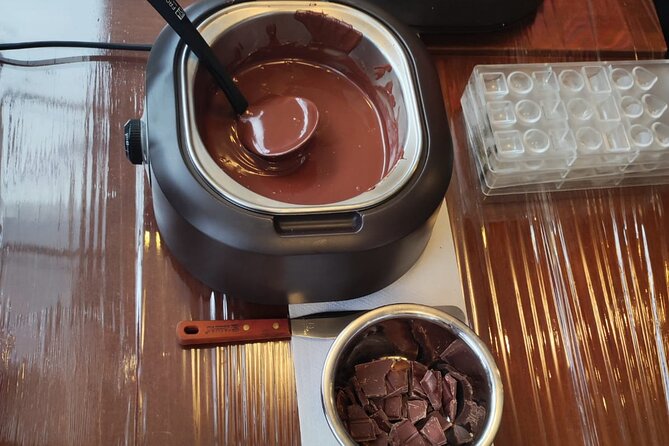
The workshop also gives you a better sense of how chocolate changes as it becomes a finished sweet. The class covers the chocolate-making process at the confectionery stage, including ganache and the assembly of pralines and mendiants.
One point deserves a clear explanation. This is not a bean-to-bar class. You will not process raw cacao beans, roast them, or grind them into chocolate. Instead, you work with chocolate that is ready to melt and shape. If your main interest is farming or the full production chain from cacao pod to chocolate bar, you will want a different type of tour.
For most people, this focus is a plus. You spend more time actually making attractive chocolates, and you leave with a generous amount of food rather than watching a long technical demonstration.
Making 21 pralines and 10 mendiants
The class includes about 21 pralines and 10 mendiants. That is a substantial amount for a two-and-a-half-hour activity, particularly since you also prepare ganache and hot chocolate.
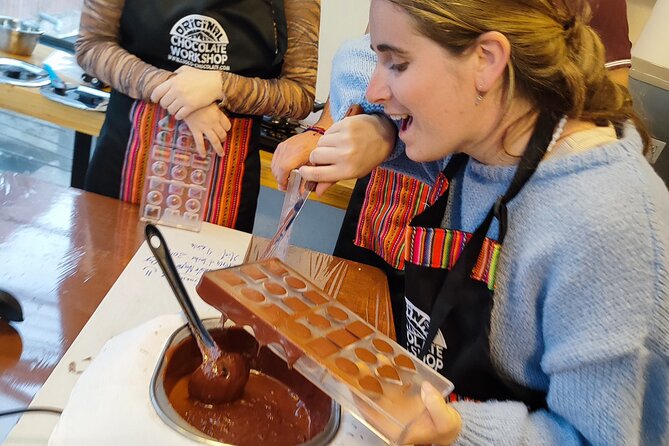
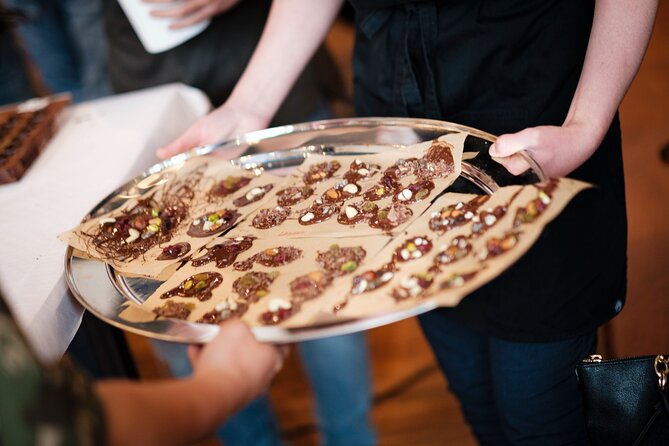
Pralines are filled chocolates, so the filling and finishing stages are central to the class. Mendiants are chocolate discs decorated with toppings. Together, the two styles give you different ways to work with texture, flavor, and presentation.
You choose from a range of fillings and toppings. The selection includes homemade local jams and a broad variety of local and organic nuts. You may also use ingredients such as coconut flakes and dried fruits, which have been part of the class experience.
This choice is important. Rather than giving every participant an identical box, the workshop lets you make decisions about what goes into your chocolates. You can favor nuts, fruit, jam, or a mixture of flavors. It gives the class a personal touch and makes the final box feel more like your own work.
You also learn how to make ganache. That is a useful skill beyond the class, since ganache can be used for truffles, cake fillings, and other desserts. The instructor walks you through the steps, then helps you use it in the chocolates you make.
Do not expect professional pastry-school training in tempering or chocolate production. This is a friendly, practical workshop rather than an advanced certification class. You are there to learn the basic method, enjoy the ingredients, and produce good-looking chocolates by the end.
A hot chocolate you prepare yourself
Hot chocolate is included, but it is not merely a drink handed to you at the start. You learn to prepare it yourself during the workshop.
The drink makes sense as part of the class because it uses the same central ingredient in a different form. You get to taste chocolate as a warm beverage while also working with molded chocolates and ganache.
The timing is another benefit. Since the class starts at 5 p.m. and runs into the evening, the hot chocolate makes the experience feel especially suited to a cool Cusco night. It also gives you a break from the more careful work of filling and decorating.
The class has been praised for the quality of the hot chocolate, but taste is personal. If you prefer very sweet drinks, you may want to ask how the instructor balances the chocolate and sweetness. The important point is that the drink is part of the lesson, not an unrelated extra.
Same base, a completely different day in the Andes:
- Cusco: Humantay Lake Tour with Breakfast and Buffet Lunch
★ 4.9 · 2,976 reviews - From Cusco: Sacred Valley & Maras Salt Mines Tour with Lunch
★ 4.8 · 2,227 reviews - From Cusco: Moray, Maras Salt Mines & Chinchero Weavers Tour
★ 4.8 · 1,925 reviews - From Cusco: Full-Day Group Tour of Machu Picchu
★ 4.7 · 1,767 reviews
Cusco views at sunset
The workshop venue has a view over Cusco, and the 5 p.m. start is well chosen for evening scenery. As the class progresses, you may see the city shift from daylight toward its nighttime appearance.
The view adds value because the activity does not feel sealed off from Cusco. You are making chocolate in the city, then looking out over the rooftops and surrounding hills. Several instructors have been praised for making good use of the setting, including David, Abelardo, and Randy.
The view can also shape your choice of timing. If you have a packed sightseeing schedule, the evening class lets you visit museums, plazas, and churches earlier in the day, then finish with a relaxed indoor activity. If sunset scenery matters to you, book a time that matches the listed 5 p.m. start and arrive ready to begin.
The walk to the venue may also be part of the appeal. The meeting point is in Cusco and near public transportation, but the information provided does not specify hotel pickup. Plan to make your own way to C. Pasñapakana 133 and allow enough time to find the entrance.
The instructors and the feel of the class
The instructor can vary. David has been described as funny, encouraging, and clear in his explanations. Abelardo has a background in Belgian chocolate training and has led classes that combine instruction with an easygoing sense of humor. Randy has also taught the workshop, and Damaso, Avi, and Erika have helped with sessions.
That range matters because the teacher shapes the evening. This is not a silent production line. You can ask questions during the process, request advice for the rest of your time in Cusco, and get help when a filling or decoration does not go as planned.
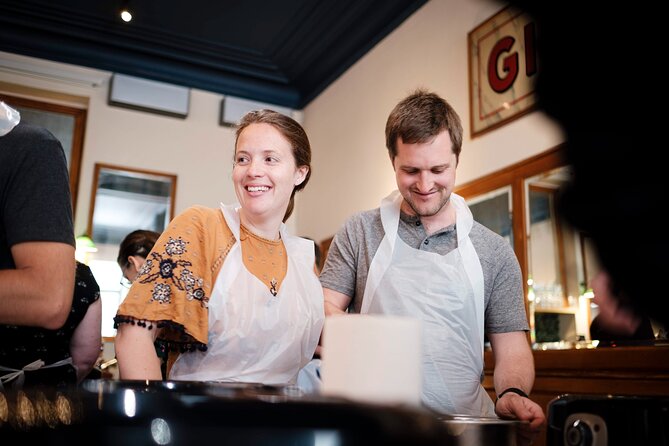
The mood is casual rather than formal. Couples, families with older children, friends, and solo participants can all fit into the class. If you are traveling alone, the group setup gives you a natural way to talk with other people without committing to a full-day group tour.
The class also works well for people who prefer a gentler activity. You remain indoors, work at a steady pace, and have time to sit, listen, and create. That makes it a smart option during your first days in Cusco, when you may want an enjoyable plan that does not require long walks or strenuous effort.
Still, do not book it expecting a quiet private lesson unless you reserve in a way that produces a small group. The maximum is 15 participants, and the atmosphere may be social. Personal attention is part of the format, but it does not mean one instructor is assigned to each person.
Is $45 a fair price?
At $45 per person, the value depends on what you want from a food activity. You receive roughly 31 chocolates, a hot chocolate lesson, instruction in ganache and Belgian-style confectionery, and a box for carrying your creations home.
The quantity helps the price make sense. You are not paying $45 for a brief tasting. You spend around 150 minutes in the workshop and leave with enough chocolate to share with family or friends.
The setting adds something too. A standard cooking class may give you food and instruction, but this one includes a Cusco view at sunset. The local cacao also gives the activity a stronger connection to the region than a class using ordinary imported ingredients.
There are limits. If you only want to sample Peruvian chocolate, a tasting may cost less and take less time. If you want a serious technical lesson on cacao processing, this class does not go far enough. The price is best justified if you value making the chocolates yourself and taking home a sizable box.
The experience is also booked an average of 18 days ahead. That does not mean you must reserve three weeks in advance, but it is a useful warning for a short Cusco visit. If the 5 p.m. time fits your plans, booking early is sensible, particularly during busy periods.
Who should book this experience?
I would recommend the workshop to several kinds of visitors:
- Couples looking for an evening activity: You can make something together, share a hot chocolate, and enjoy the city view.
- Families with children aged 12 and older: The work is active and creative, though younger children cannot join under the stated age rule.
- Solo visitors: The small-group setup makes it easy to meet people without needing a full-day excursion.
- Chocolate fans: You get to work with local cacao, fillings, nuts, dried fruit, and ganache.
- Visitors acclimating to Cusco: The class is indoors, social, and not physically demanding.
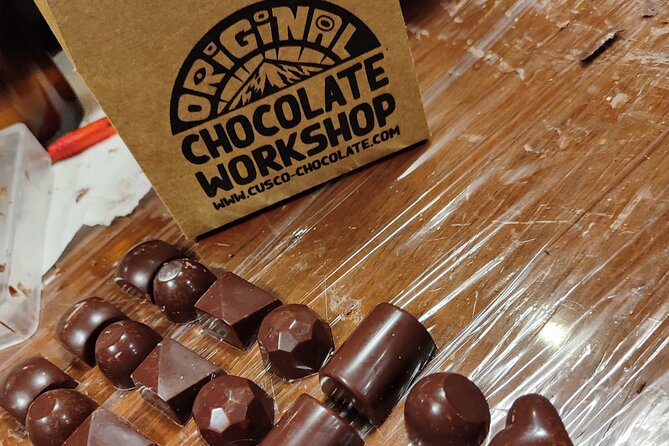
- People who want edible souvenirs: Your chocolates go home in a personalized box.
I would be more cautious if you dislike sweet foods, need a fully private activity, or want to see raw cacao processed from beans. The class centers on confectionery and decoration, not agricultural production.
Service animals are allowed. The workshop is near public transportation, though hotel transfers are not listed. Confirmation is provided when you book.
Planning the evening around the class
The class begins at 5 p.m., so avoid scheduling a distant attraction immediately beforehand. Meet at C. Pasñapakana 133 and leave enough time for the final walk, since the exact route from your hotel is not provided.
The workshop ends back at the meeting point. This makes it easy to continue your evening in central Cusco, and you can ask the guide for restaurant tips or other suggestions before leaving.
The chocolate box is also worth considering when planning the rest of your trip. You will receive your own creations at the end, so keep them in a reasonably safe place and avoid exposing them to strong heat. The provided information does not specify special storage arrangements, but chocolate is generally easier to manage when kept cool.
For cancellations, you can receive a full refund if you cancel at least 24 hours before the start time. Changes or cancellations inside that 24-hour window are not accepted for a refund. The local cut-off time applies, and the class needs a minimum number of participants. If the provider cancels because that minimum is not reached, you will be offered another date or experience, or a full refund.
Should you book the Cusco Chocolate Workshop?
Book it if you want a relaxed, useful, and distinctly Cusco evening activity. The combination of Chuncho cacao, Belgian-style chocolate making, local toppings, a hot chocolate lesson, and sunset views gives you more than a basic cooking demonstration.
I especially like it for the first part of a Cusco stay. You can learn about a local ingredient, make something with your hands, and avoid a demanding day while your body adjusts to the altitude.
Skip it if you are looking for a cacao farm visit or a full bean-to-bar lesson. But if you want to leave with around 21 pralines, 10 mendiants, and a good story attached to them, $45 is a fair price for the time and food included.
FAQ
Where does the chocolate workshop take place?
The meeting point is C. Pasñapakana 133, Cusco 08000, Peru. The activity ends back at the same meeting point.
What time does the workshop start?
The listed start time is 5 p.m.
How long does the experience last?
The workshop lasts approximately two hours and 30 minutes.
What kind of cacao is used?
The class uses 100% organic, artisanal Chuncho cacao from the Sacred Valley of the Incas in Cusco.
How many chocolates will I make?
You will make around 21 pralines and 10 mendiants.
Is hot chocolate included?
Yes. You learn how to prepare hot chocolate during the workshop and drink it as part of the experience.
Can children join the class?
The workshop is available to adults and children aged 12 and older.
What happens if I need to cancel?
You can cancel for a full refund up to 24 hours before the experience starts. Cancellations or changes made less than 24 hours before the start time are not accepted for a refund.
Just added around Cusco
- Cusco: Via Ferrata, Skybike, and Rappel Adventure★ 5.0 · 3 reviews
- From Cusco: Maras and Moray and Ollantaytambo Tour★ 5.0 · 3 reviews
- Cusco: Rainbow Mountain Tour at Sunset Without the Crowds★ 4.7 · 3 reviews
- Cusco: Sacred Valley Day Trip with Maras & Moray Salt Mines★ 5.0 · 3 reviews
- Valle Sur Cusco | half day★ 4.3 · 3 reviews
- IN MACHU PICCHU: Private Tour Guide Service★ 5.0 · 3 reviews
- Salkantay trek to Machu Picchu – 5D/4N – Premium★ 3.3 · 3 reviews
- Full-Day Condor Viewpoint & Inca Sites Tour★ 5.0 · 3 reviews
Chocolate Workshops, compared.

Chocolate Workshop with the Best Local Organic Cacao
Read our review →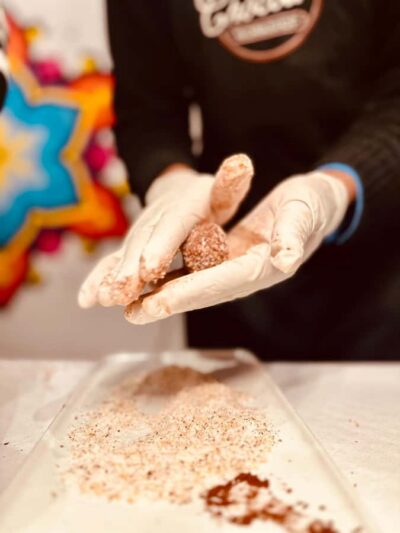
1.5h Cusco Chocolate Workshop – Truffles & Hot Chocolate
Read our review →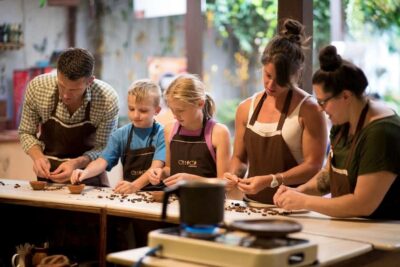
Browse the lists this tour appears in