
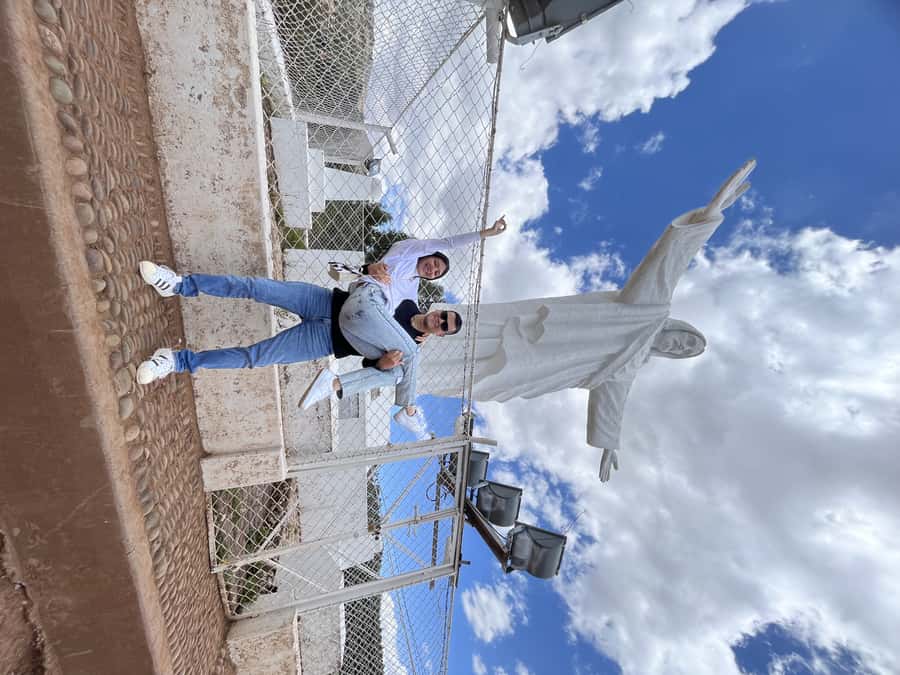
Reviewed · HISTORICAL TOURS
Cusco: Archeological Sites Tour and Forest Photo Experience
Cusco’s major Inca sites sit close enough to visit in one busy half-day, and this tour adds an unusual stop: a Qenqo Forest photo session among the rocks and trees. You’ll see ceremonial ruins, military remains, water channels, massive stonework, and the Inca capital’s most important temple without arranging several separate rides.
I like the efficient route and the fact that hotel pickup and return are included. I also like the practical photo souvenir, since the forest stop gives you something beyond the usual walk-and-look visit. The main concern is timing and organization: one reported outing missed the last ruin, and the promised photos were not offered, so you should confirm the day’s plan and photo arrangements before setting out.
In This Review
- Key points to know before you book
- Why this five-hour Cusco route works
- Qenqo, a ceremonial site shaped by natural rock
- Qenqo Forest and the included photo session
- Puca Pucara, guard posts above the city
- Sacsayhuaman and the scale of Inca stonework
- Tambomachay, where water takes center stage
- Coricancha, the temple that explains Cusco
- The real cost of a $17 half-day
- Pickup, timing, and the risk of a rushed finish
- What to pack for the ruins and forest
- Who should choose this tour
- Should you book the Cusco Archaeological Sites Tour?
- FAQ
- How long does the tour last?
- Which archaeological sites are included?
- Is Coricancha included?
- How much is the tourist ticket?
- Is hotel pickup included?
- Where does the tour finish?
- Is the photo session included?
- What languages are available?
- Can I cancel for a full refund?
Key points to know before you book
- Five historic sites in five hours: Qenqo, Puca Pucara, Sacsayhuaman, Tambomachay, and Coricancha are packed into one half-day.
- Qenqo Forest adds a different kind of stop: You’ll pause for a guided photo session rather than only viewing archaeological remains.
- The advertised price is not the final cost: Add 70 soles for the tourist ticket and 15 soles for Coricancha.
- Sacsayhuaman is the visual high point: Its enormous limestone blocks show the scale of Inca building better than almost any stop in the city.
- Timing matters: The itinerary may change, and a late start or slow operation can put the final site at risk.
- Bring for changing weather: Comfortable shoes, a hat, biodegradable sunscreen, a jacket, rain gear, and cash all make sense.
Why this five-hour Cusco route works
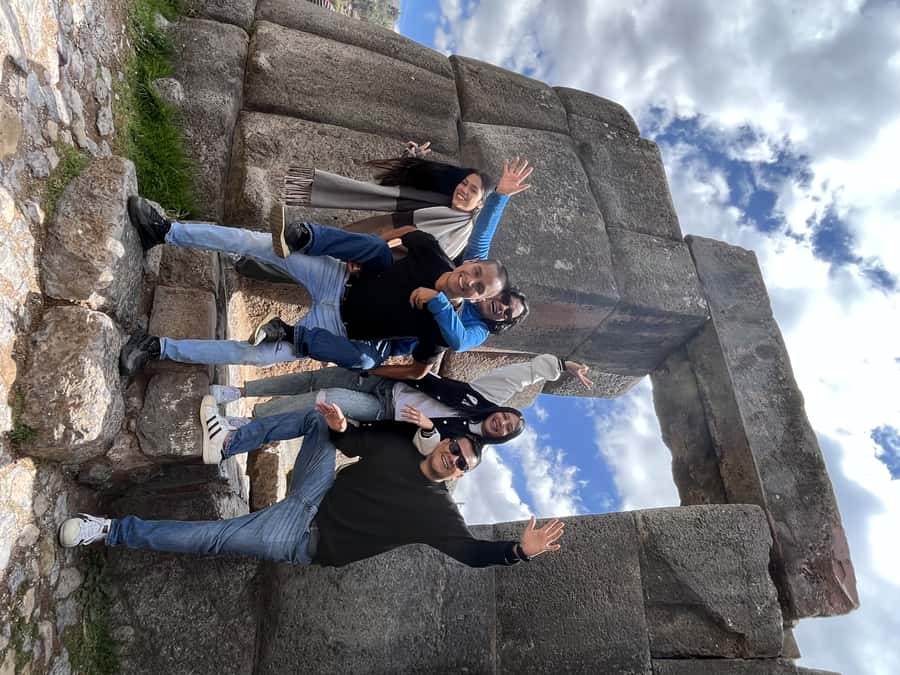
This is a compact introduction to the archaeological sites around Cusco. You are not spending a full day at one complex, but you are getting a broad look at how the Incas used stone, water, ceremony, defense, and sacred space.
The route begins with pickup at your Cusco hotel and ends in the city center after the Coricancha visit. That arrangement saves you the trouble of finding taxis between sites, which matters in Cusco when you are still learning the streets and altitude can make a short walk feel longer than expected.
The pace will be quick. Five hours is enough to visit every named stop if the operation runs on time, but it leaves little room for long independent walks, extended photographs, or a relaxed meal. I would treat this as an orientation tour, then return on your own to the site you like best if you want a slower look.
An English or Spanish live guide is included. The guide should help connect the sites rather than leave you with isolated stones and names. Ask questions as you go, especially at Qenqo and Coricancha, where the purpose of the structures is less obvious than the huge walls at Sacsayhuaman.
A few more Cusco departures worth comparing
- Machu Picchu: historical and photographic guided tour
★ 4.9 · 27 reviews
Qenqo, a ceremonial site shaped by natural rock
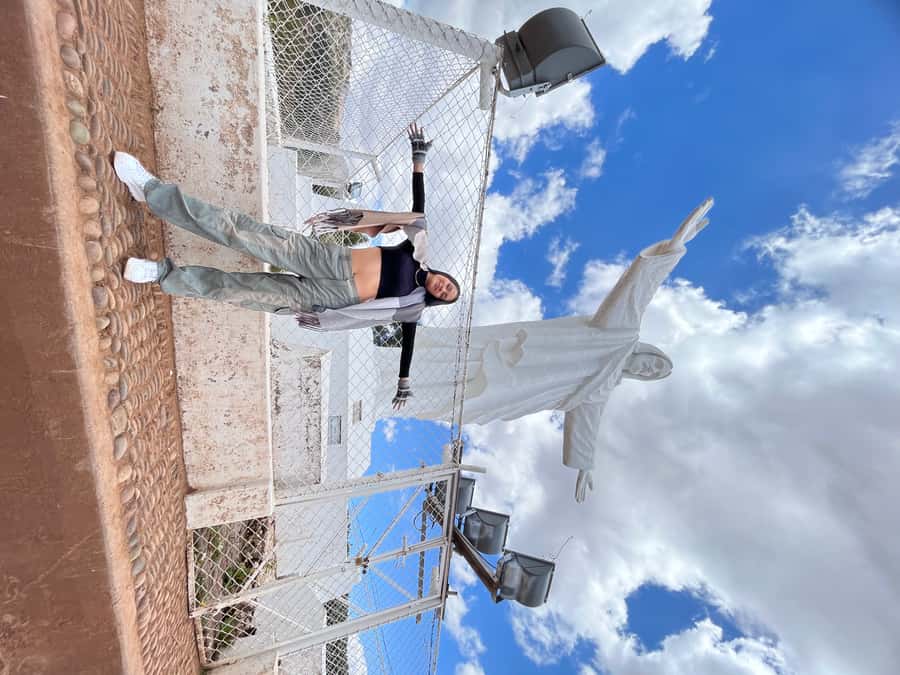
Qenqo is the first archaeological stop. Its natural rock formation became a ceremonial center, giving the site a different feel from a regular stone-built compound.
Look closely at the rock surfaces and carved areas. The appeal here is not sheer size. It is the way the Incas used an existing formation and adapted it for ritual purposes. Your guide can provide the explanation that turns an unusual rock into a meaningful part of the sacred area around Cusco.
Qenqo also matters because the forest photo session takes place nearby. That creates a two-part visit: first, an archaeological explanation; then, a more relaxed photography stop in the Qenqo Forest.
The schedule may not allow much time at the ruins themselves. If you want detailed photographs of carvings or a long explanation, stay close to the guide and listen as the group moves. Comfortable shoes help because the visit involves outdoor ruins rather than a smooth museum floor.
Qenqo Forest and the included photo session
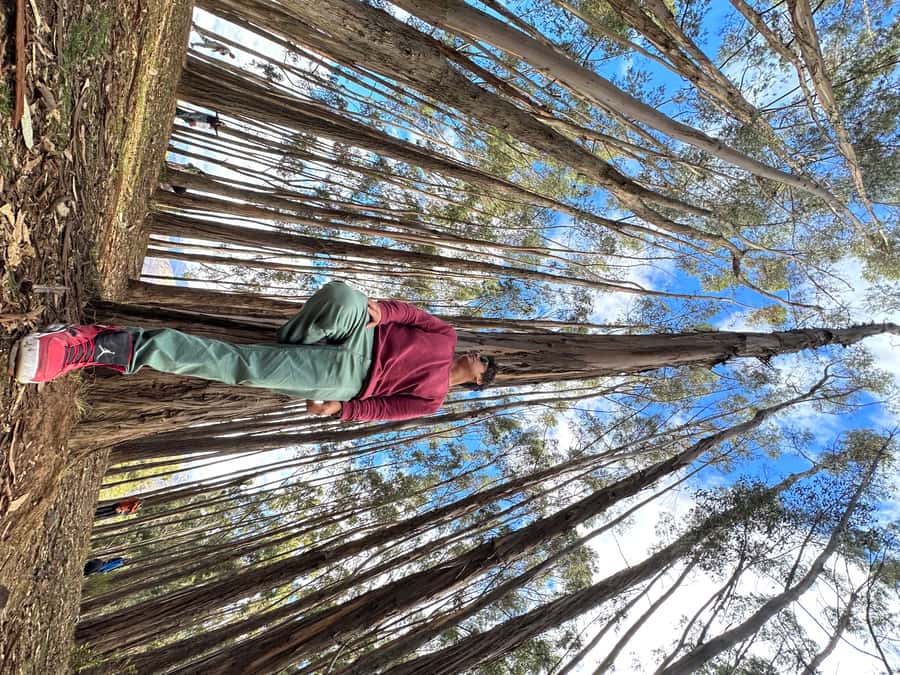
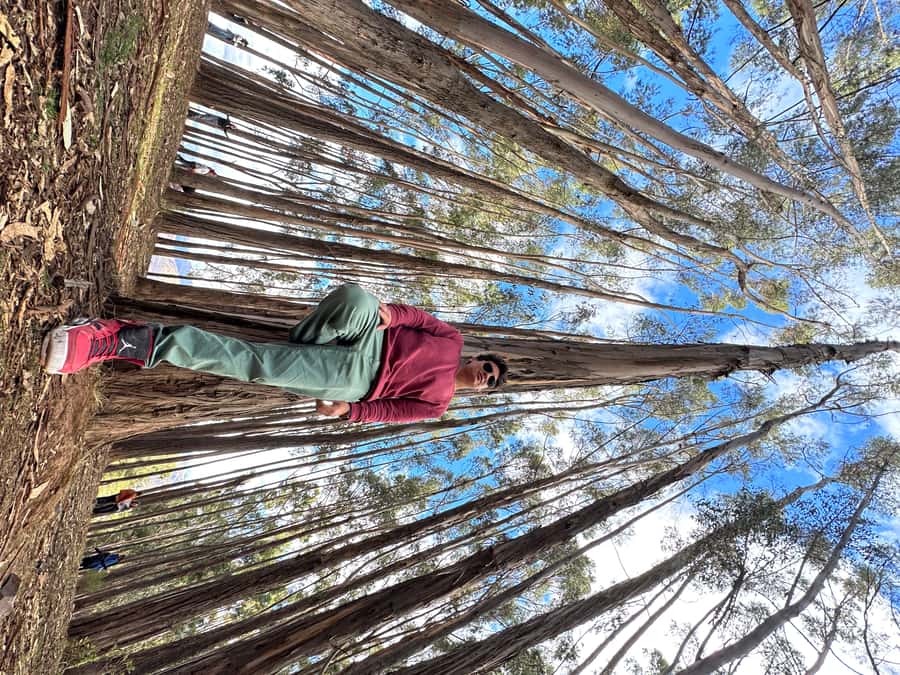
The forest segment is the tour’s most distinctive feature. An expert photography guide is meant to take photographs in this setting, with a digital souvenir image included afterward.
This is useful if you want a personal record of your Cusco visit without asking another passenger to take rushed phone pictures. The forest also breaks up the archaeological sequence. After several stone sites, a short photo session gives you time to enjoy the setting in a less formal way.
Keep your expectations practical. The information promises a souvenir photograph in digital format, but it does not specify how many images you receive, how they are delivered, or how long the session lasts. Confirm those details at the beginning. A previous booking did not receive the offered photographs, so this is one part of the experience I would actively check rather than assume.
Wear clothes you can move in and shoes that handle uneven ground. A jacket and rain gear are sensible even if the morning begins bright. Cusco weather can shift, and the supplied advice specifically calls for both sun protection and rain cover.
Puca Pucara, guard posts above the city
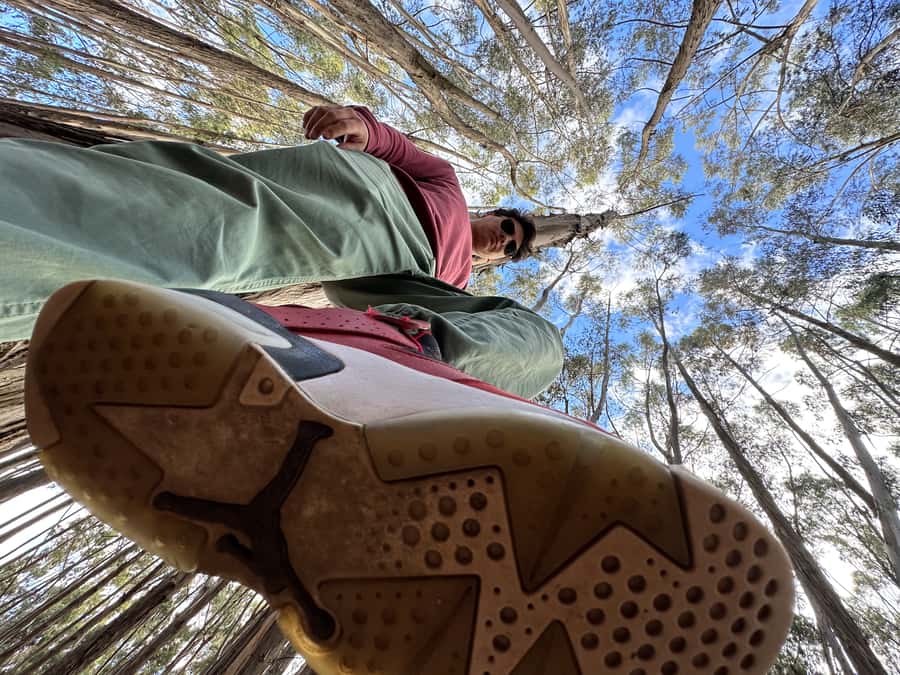
Puca Pucara is described as a military site, with remains of guard posts, stairs, streets, houses, and patios. Its name and layout point to a practical role connected with movement and watchfulness around Cusco.
This stop helps balance the ceremonial focus of Qenqo and the sacred importance of Coricancha. You are looking at how the Inca state organized space for control and protection, not only for worship.
The remains are less dramatic at first glance than Sacsayhuaman’s walls, so the guide’s explanation matters. Pay attention to the arrangement of paths and buildings. The value of Puca Pucara comes from reading the site as a working settlement and guard position rather than expecting one grand monument.
Because the tour visits several places in a fixed route, you may get only a short stop here. If you enjoy military history or the practical side of Inca administration, make sure you ask about the guard posts and how the site fit into the wider approach to Cusco.
More Inca sites near Cusco:
- Cusco: City Tour | Half-Day Tour to 4 Archaeological Sites
★ 4.6 · 206 reviews - Cusco City Sightseeing and Sacsayhuaman Archeological Park Tour
★ 4.5 · 101 reviews - Cusco: Historical Guided City Tour with 4 Inca Ruins
★ 4.5 · 99 reviews - Machu Picchu Private Archaeological and Historical Guided Tour
★ 5.0 · 86 reviews
Sacsayhuaman and the scale of Inca stonework
Sacsayhuaman is likely to be the most immediately impressive stop. It was built from huge limestone blocks as a solar sanctuary and also served to protect the city from attack.
The size of the stones is the point. Even with limited time, you can see why this site changes your sense of Inca construction. The walls are not simply decorative. They show careful fitting, planning, and the ability to move and place massive blocks without modern machinery.
Your guide will connect Sacsayhuaman to the final dynasties of the Incas and to Cusco’s role as the center of the empire. The visit gives you a better frame for the smaller sites that follow or came before it.
Give yourself a little space for the view and the stonework. This is one stop where a hurried group can reduce the experience. At the same time, do not wander far from the guide. The route must continue to Tambomachay and Coricancha, and the schedule is already tight.
Tambomachay, where water takes center stage
Tambomachay is about nine kilometers from Cusco and is known for its water fountains. The site may have served as a temple dedicated to water and purification, giving it a quieter, more focused purpose than the defensive remains at Puca Pucara.
The channels and fountains are the main attraction. Look at how water is directed through the stonework, and listen for the guide’s explanation of the possible religious role. The site shows that Inca engineering was not limited to walls and roads. Water itself could shape a sacred place.
Tambomachay is also the stop most vulnerable to a rushed schedule because it comes after several other visits. The advertised five-hour duration can work, but delays earlier in the route may shorten your time here or create pressure on the final Coricancha visit.
If you care most about the water system, tell your guide early. That makes it easier to use your limited time well rather than treating every site as an identical photo stop.
Coricancha, the temple that explains Cusco
The tour ends at Coricancha, also called the Temple of the Sun, in Cusco. This is the city stop that ties the route together.
Coricancha was the most important temple in the Inca Empire, and its precise stone construction reflects that status. The visit helps you understand why Cusco was more than a settlement surrounded by ruins. It was the political and religious center from which the empire was organized.
The temple’s history also makes it a valuable contrast to the open-air sites. At Qenqo, Puca Pucara, Sacsayhuaman, and Tambomachay, you read the site through foundations, walls, rock, and water. At Coricancha, the focus is the perfection of the construction and the importance of the space within the city itself.
Coricancha admission is not included. You pay 15 soles separately, in addition to the 70-sol tourist ticket required for the four archaeological sites. Keep cash ready so the extra charges do not slow you down.
Ending here is convenient because the return is to central Cusco. It also gives the day a clear finish, moving from outlying ruins back to the temple at the heart of the city.
The real cost of a $17 half-day
At $17 per person, the base price is low for five hours of transport and guided visits. It becomes a better value if you want to see all four archaeological sites and do not want to arrange taxis or negotiate separate fares.
The required extra charges change the calculation:
- Tourist Ticket: 70 soles
- Coricancha entry: 15 soles
- Food and drinks: not included
That means the advertised fare is only part of your budget. The total remains reasonable for the transport, guide, and route, but you should not compare $17 with a tour whose admissions are already covered.
The included digital photograph adds value if it is actually delivered. Since there has been a report of the photo service not being offered, confirm the process before leaving the forest. Ask whether the image will be sent digitally and when you should expect it.
Food and drinks are not included, so eat before pickup or carry something small. The tour lasts five hours, and the schedule may not leave room for a proper meal.
Pickup, timing, and the risk of a rushed finish
Hotel pickup and return are included, but the instructions are strict. Wait in your hotel lobby 10 minutes before the scheduled time. The driver will hold a sign with your last name and will wait no more than five minutes after pickup time.
That five-minute rule is important in Cusco, where finding the correct vehicle can take a moment. Keep your phone available, stay near the lobby entrance, and do not assume the driver can circle the block.
Starting times vary, so check availability when booking. The exact order can change according to daily operations, but all the named sites are supposed to be visited.
In practice, the route needs good coordination. A previous outing was reported to have missed the final ruin after arriving late, and a poor schedule can also reduce time at Tambomachay or Coricancha. I would ask at pickup for the planned order and confirm that the forest session and digital photograph are still part of the day.
The transport itself is a major reason to choose this excursion. You can see sites spread around Cusco without arranging rides yourself. The tradeoff is that you follow the operator’s timetable rather than setting your own pace.
What to pack for the ruins and forest
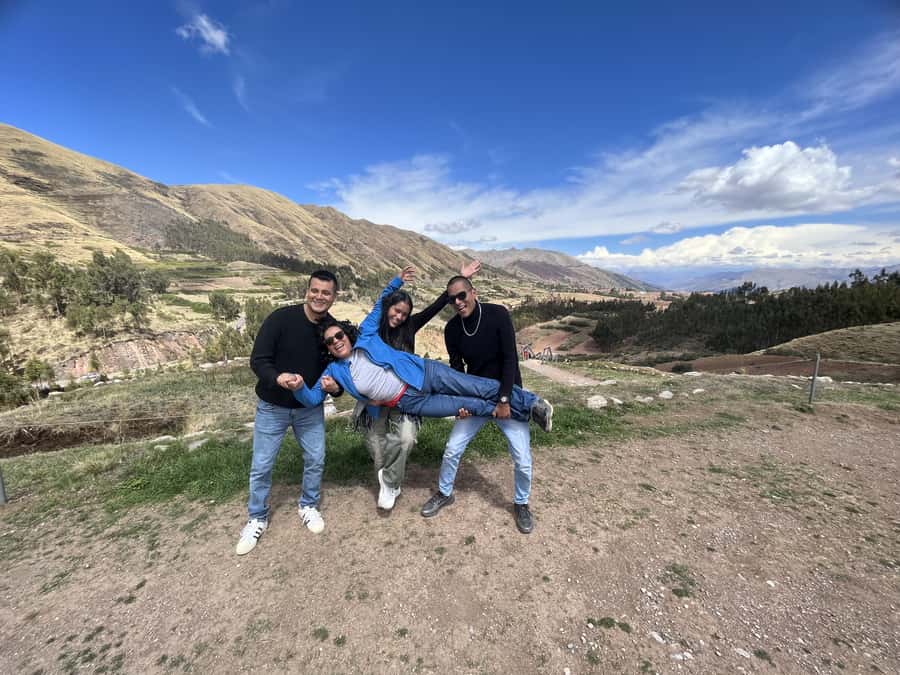
Bring comfortable shoes first. The tour includes outdoor archaeological areas and a forest setting, so soft city shoes are a poor choice if they do not handle uneven ground.
You should also carry:
- A sun hat
- Biodegradable sunscreen
- A jacket
- Rain gear
- Comfortable clothing
- Cash
- Water and a small snack, since food and drinks are not included
The mix of sun protection and rain gear is not excessive. The supplied instructions call for both, and the weather can change during a five-hour outing.
Cash covers the 70-sol tourist ticket, the 15-sol Coricancha entry, and any personal purchases. Do not count on the $17 price to cover admission.
Who should choose this tour
I would recommend this for you if you have limited time in Cusco and want a broad first look at the nearby Inca sites. It suits people who value included transport, a live English or Spanish guide, and a short photo session rather than a slow, specialist archaeological visit.
It is also a sensible choice after arriving in Cusco if you want to get oriented before deciding which places deserve a longer return visit. Sacsayhuaman may call for more time, while Coricancha is easy to revisit from the city center.
I would be more cautious if you dislike fixed schedules or need guaranteed photography service. The five-hour plan is full, and the reported missed stop and missing photographs point to an operation that may not always run exactly as advertised.
Families and active visitors should manage the pace well with comfortable clothes and shoes. People who want a quiet, detailed study of every ruin should book a private or slower option instead, if available. This group outing is about coverage and convenience.
Should you book the Cusco Archaeological Sites Tour?
Book it if your priority is seeing the main four ruins in one half-day for a modest starting price, with hotel transport and a guide included. The combination of Sacsayhuaman, Tambomachay, Qenqo, Puca Pucara, the forest session, and Coricancha gives you a useful overview of Cusco’s ceremonial, defensive, engineering, and religious sites.
Before paying, budget for 85 soles in admission fees, confirm the pickup time, and ask directly about the digital photograph. If the operator confirms the full route and keeps the schedule under control, this can be a practical introduction to Cusco’s archaeological core.
If missing one stop would seriously disappoint you, choose a tour with a slower schedule or private transport. The price is attractive, but the tight timing is the central tradeoff.
FAQ
How long does the tour last?
The activity lasts five hours.
Which archaeological sites are included?
The route includes Qenqo, Puca Pucara, Sacsayhuaman, and Tambomachay.
Is Coricancha included?
A guided visit to Coricancha is included, but the 15-sol entrance fee is paid separately.
How much is the tourist ticket?
The tourist ticket costs 70 soles and is not included in the tour price.
Is hotel pickup included?
Yes. Pickup and return to your hotel are included.
Where does the tour finish?
The return is to the center of Cusco after the Coricancha visit.
Is the photo session included?
Entrance to the Qenqo Forest and a souvenir photograph in digital format are included in the stated activity details.
What languages are available?
The live tour guide is available in English or Spanish.
Can I cancel for a full refund?
Yes. You can cancel up to 24 hours in advance for a full refund. You can also reserve now and pay later.
Just added around Cusco
- Cusco: Via Ferrata, Skybike, and Rappel Adventure★ 5.0 · 3 reviews
- From Cusco: Maras and Moray and Ollantaytambo Tour★ 5.0 · 3 reviews
- Cusco: Rainbow Mountain Tour at Sunset Without the Crowds★ 4.7 · 3 reviews
- Cusco: Sacred Valley Day Trip with Maras & Moray Salt Mines★ 5.0 · 3 reviews
- Valle Sur Cusco | half day★ 4.3 · 3 reviews
- IN MACHU PICCHU: Private Tour Guide Service★ 5.0 · 3 reviews
- Salkantay trek to Machu Picchu – 5D/4N – Premium★ 3.3 · 3 reviews
- Full-Day Condor Viewpoint & Inca Sites Tour★ 5.0 · 3 reviews
Historical Tours, compared.
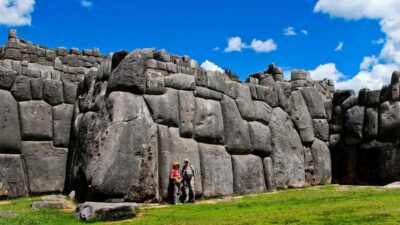
City Tour | Half-Day Tour to 4 Archaeological Sites
Read our review →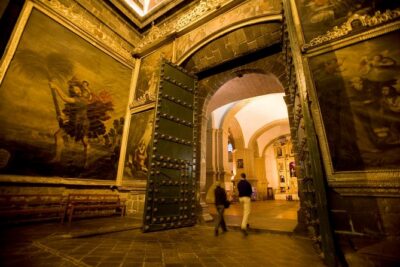
Cusco City Sightseeing and Sacsayhuaman Archeological Park Tour
Read our review →
Machu Picchu Private Archaeological and Historical Guided Tour
Read our review →
Historic Walking Tour with Pisco Sour and Music Show
Read our review →
Private Ollantaytambo, Pisac Ruins Tour with Farm Visit, Gourmet Picnic Lunch
Read our review →
Pisco Sour Secrets: Hands-On Mixology in Historic Cusco
Read our review →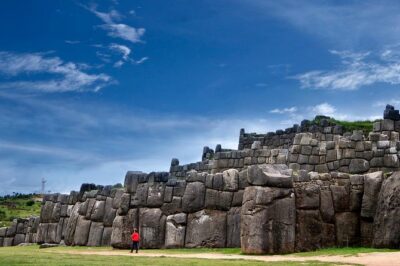
Browse the lists this tour appears in