
Reviewed · INCA TRAIL TREKS
Classic Inca Trail 4 days to Machu Picchu
The best part of this four-day Inca Trail is the arrival at Machu Picchu through the Sun Gate, after days of walking past Incan sites and changing mountain scenery. You are not simply taking a bus to the ruins. You earn the first view on foot, with your guide leading the way and porters carrying the camp gear.
I like the practical setup: permits, tents, meals, porters, and transport are included, so you can focus on walking. I also like the small maximum group of 16, plus the strong reports about guide Freddy, cook Armando, and the porter team on one documented departure. The main caution is organization. One group had trouble with the final transport, no treated drinking water, and no clean portable toilet.
In This Review
- Key points to know before you book
- Why the Classic Inca Trail still earns its reputation
- Day 1: Cusco to kilometer 82
- Day 2: A serious mountain day
- Day 3: Incan sites, forest, and camp routine
- Day 4: Entering Machu Picchu through the Sun Gate
- What the $1,050 price really covers
- What to pack for four days on the trail
- The people who make or break the trip
- Who should choose this four-day route
- Should you book Quechuas Expeditions?
- FAQ
- What is included in the four-day Inca Trail tour?
- Are meals included on all four days?
- Is a sleeping bag provided?
- How fit do I need to be?
- How many people can join the group?
- Can I cancel the booking for a refund?
Key points to know before you book
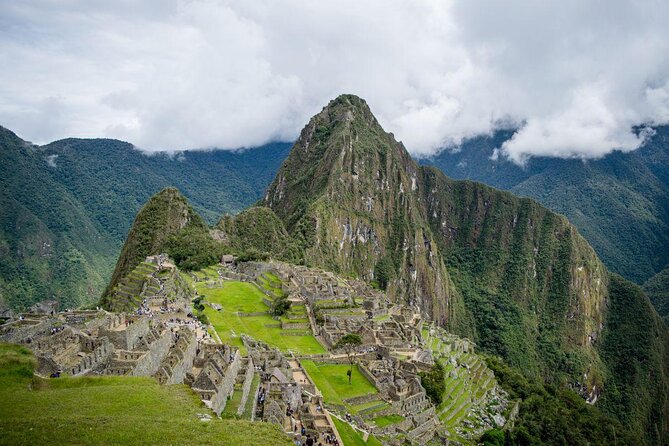
- Machu Picchu by the Sun Gate: The four-day route finishes at one of the most memorable entry points to the ruins.
- A demanding high-altitude trek: You need strong physical fitness, suitable boots, warm layers, rain gear, and walking poles.
- Camp life is included: Tents, air mats, cooking gear, tables, chairs, food, and porters are part of the package.
- Meals are a real strength: Four breakfasts, four lunches, and three dinners are included, with vegetarian meals available at no extra cost.
- Final-day logistics need attention: Confirm who handles your bus, equipment, train connection, and return to Cusco.
- The price is $1,050 per person: That is a substantial fee, but it covers the major permits, transport, food, camping, and labor costs.
Why the Classic Inca Trail still earns its reputation
The Inca Trail is famous for good reason. It combines ancient stonework, mountain views, forest, and the final approach to Machu Picchu in one long journey. You get a sense of the route as a living road rather than treating the ruins as an isolated stop.
The trail also gives your visit a rhythm that a short Machu Picchu excursion cannot match. Each day has a clear purpose: leave the city, walk into the hills, camp along the route, and reach the ruins from above. It is tiring, but the effort gives the final arrival more weight.
The route is not a gentle sightseeing walk. The operator asks for a strong fitness level, and you should take that seriously. You will need to handle several days of walking while carrying a daypack, even though porters carry the tents, food, and other camp equipment.
More ways to reach Machu Picchu:
- From Cusco: Full-Day Group Tour of Machu Picchu
★ 4.7 · 1,767 reviews - Machu Picchu Day Trip from Cusco
★ 4.5 · 1,644 reviews - Machu Picchu: Full-Day Tour from Cusco with Optional Lunch
★ 4.6 · 927 reviews
Day 1: Cusco to kilometer 82
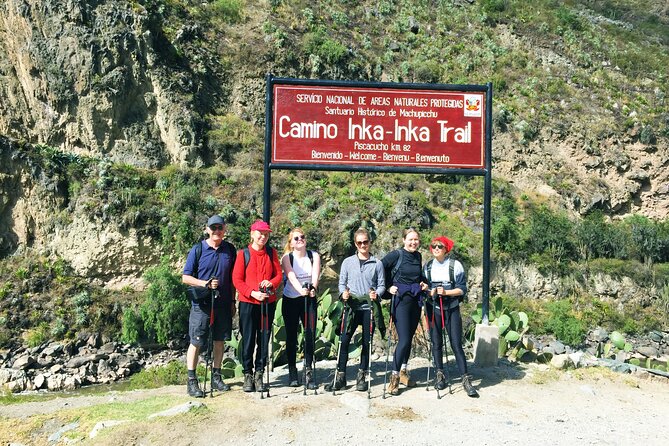
Your first morning begins with pickup from your Cusco hotel and transport to kilometer 82, the trailhead. Breakfast on day one is not included, so arrange your own meal before departure or confirm the morning plan carefully.
The transfer matters because it removes one major worry. You do not need to find your own way from Cusco to the start of the trail, and the guide can handle the initial group arrangements. Once you reach kilometer 82, the walking begins.
This opening section introduces the basic pattern of the trip. You walk through changing scenery while the support team handles the camp setup and food. The guide leads the group, and porters carry the camping equipment and supplies.
The first day is also when you should test your gear. Your boots should already be broken in, not fresh from a shop. Your daypack should hold only what you need during the day. Keep rain gear and a warm layer close, since conditions can change quickly along the route.
Because the exact daily distances and camp names are not provided, you should ask the operator for those details before booking. That information helps you judge the walking time and decide how much personal gear to bring.
Day 2: A serious mountain day
The second day is usually the one that demands the most from your legs, and this four-day trip should be treated as a real trek rather than a casual walk. The supplied preparation notes call for trekking boots, fleece layers, rain trousers, gloves, a warm hat, sunscreen, and two walking poles.
You will likely notice the altitude more than the distance. The route moves through high country before dropping toward warmer, wetter forest. A slow, steady pace is more useful than trying to keep up with the fastest person in the group.
Your guide is central here. A good guide watches the group, explains the Incan sites, and helps you manage the pace. Freddy received especially strong praise for his understanding of Quechuan history and culture on one departure. That kind of explanation can turn a stone wall or terrace from a photo stop into something you can actually read.
Camping equipment is supplied, including tents, air mats, a cooking tent, portable chairs, and tables. The chairs and tables may sound minor, but after hours on the trail, a proper place to sit is a welcome luxury.
You should bring a sleeping bag rated to minus 11 degrees Celsius, or 12 degrees Fahrenheit. A sleeping bag is listed among the required items more than once, so do not assume the operator supplies it. The same applies to a headlamp, water bottle, toiletries, medicines, and personal rain gear.
Day 3: Incan sites, forest, and camp routine
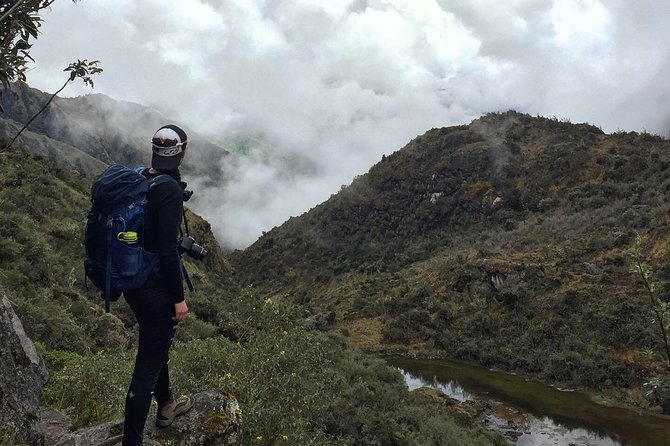
The third day continues through the route toward Machu Picchu, with the appeal coming from the combination of ruins and scenery. The guide leads the group through the forest and past Incan sites, while the porters move the camp equipment ahead.
This is where the support system earns its keep. You still carry your own daypack, but you do not have to haul tents, cooking equipment, tables, chairs, and shared food. That makes the trek more manageable, although it does not make it easy.
Meals are included through this part of the trip: four breakfasts, four lunches, and three dinners overall. Vegetarian food is available without an added charge. On one departure, cook Armando prepared meals that were praised as unusually polished for a camp kitchen. That is useful to know because food can affect your energy and mood on a demanding trek.
Do not expect restaurant service or unlimited choices. You are eating in camp, and the details of each menu are not provided. Still, having a cook and cooking tent is far better than relying on snacks alone.
The water arrangement deserves special attention. One group was not given treated or filtered water and had to use its own filter. The supplied equipment list includes water sterilizing tablets, so bring them, and ask directly how water will be handled on your departure. This is not a minor detail. Hydration is one of the most important parts of a high-altitude hike.
Toilets are another practical issue. One departure did not receive a clean portable toilet, leaving the group to use the poor facilities along the route. Ask what sanitation equipment is included before you pay. The outdoor setting is part of the experience, but basic hygiene should not be left vague.
More Inca Trail departures:
- Cusco: 4-Day Inca Trail to Machu Picchu with Accommodation
★ 4.8 · 432 reviews - Cusco: Machu Picchu 2-Day Inca Trail with Panoramic Train
★ 4.9 · 260 reviews - From Cusco: 2-Day Inca Trail to Machu Picchu
★ 4.2 · 244 reviews - Machu Picchu: Inca Trail 2-Day Overnight Guided Tour
★ 4.9 · 203 reviews
Day 4: Entering Machu Picchu through the Sun Gate
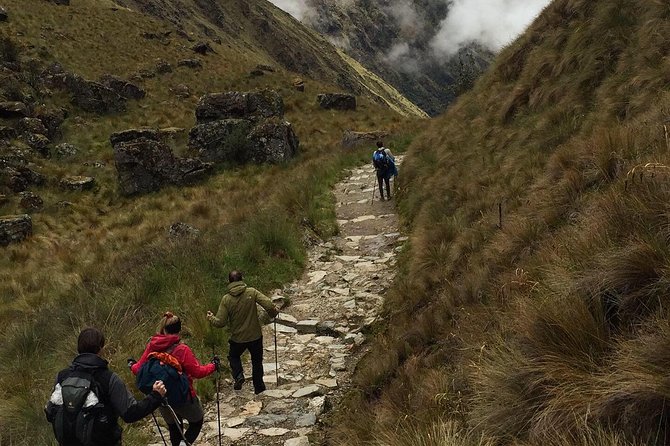
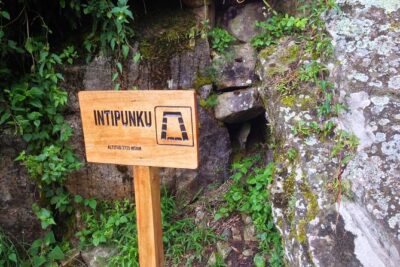
The final day brings the main reward: arrival at Machu Picchu through the Sun Gate. The route is famous because you approach the ruins on foot and see them from an elevated entry point rather than arriving immediately by bus.
The Sun Gate gives the finish a sense of ceremony. After several days of walking, you reach the view that has been motivating you since Cusco. The timing and access details are not fully spelled out, so ask your operator how long you will have at Machu Picchu and how the entry schedule works.
Lunch on day four is not included. Plan for that small gap in the meal program, especially since you may be tired and ready for food after visiting the ruins.
The return connection is listed as an Expedition train from Aguas Calientes to Ollantaytambo, followed by a bus back to Cusco. That is helpful, but the handoff needs to be clear.
On one departure, the guide was originally scheduled to leave the group at Machu Picchu. The group then had to work out its own bus ticket to Machu Picchu Pueblo, locate equipment left there by the porters, and find the train connection. The guide eventually stayed to help them board the train, but you should not depend on that goodwill.
Before the trek begins, ask these exact questions:
- Who takes you from Machu Picchu to Aguas Calientes?
- Who provides or checks the bus ticket?
- Where will the porters leave your equipment?
- Who meets you at the train?
- Is the guide with you through the train boarding process?
- Does the bus return you all the way to Cusco?
Clear answers will make the final day much easier.
What the $1,050 price really covers
At $1,050 per person, this is not a budget walk. The price includes the Inca Trail permit and Machu Picchu tickets, hotel pickup, transport to kilometer 82, a professional guide, camping equipment, porters, meals, the Expedition train, and the bus back to Cusco.
Those costs add up quickly. The permit and entrance arrangements are essential, and the porters and cook provide real support over four days. You are also paying for the convenience of having the major transport links organized in advance.
The value depends on execution. If the operator delivers the promised equipment, food, guidance, and transport, the package saves you a great deal of planning. If you have to arrange water treatment, find your own gear in Aguas Calientes, or manage part of the return journey alone, the price feels much less convincing.
The rating is strong overall, at 4.8 from 65 reviews, and 95 percent of customers recommend the experience. That points to a generally positive product, but the specific complaints are important because they concern safety, water, sanitation, and transport rather than small matters.
I would not book on price alone. I would compare what other operators include, especially portable toilets, filtered water, porter policies, guide coverage on the final day, and the exact train and bus plan.
What to pack for four days on the trail
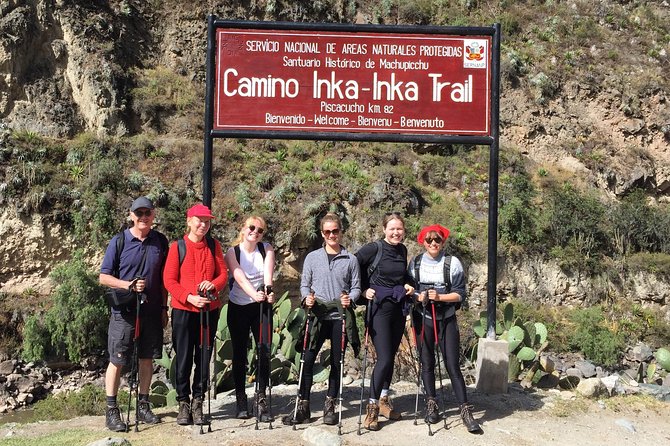
The preparation list is long because conditions can shift from cold and exposed to wet and warm. Pack for comfort, not fashion.
You should bring:
- A used pair of trekking boots
- A good day backpack
- Two walking poles
- A sleeping bag rated to minus 11 degrees Celsius
- A fleece or wind-stopper jacket
- A lightweight fleece sweater
- Two or three T-shirts
- A long-sleeved shirt
- Rain poncho or rain jacket
- Wind or rain trousers
- Lightweight hiking trousers
- Lightweight fleece trousers
- Two pairs of wool or synthetic socks
- Gloves, a warm hat, and a sunhat
- Sunglasses with good UV protection
- Water bottle and water sterilizing tablets
- Headlamp or torch
- Sunscreen, lip balm, and insect repellent
- Towel, soap, toilet paper, and toiletries
- Personal medicines
- Camera, spare battery, and extra memory cards
Use layers. A single thick coat is less useful than clothing you can add or remove as the temperature changes. Keep your rain shell where you can reach it without unpacking the entire bag.
Binoculars are listed as optional equipment. They may be useful for scanning the surrounding peaks and forest, but they should not come at the expense of basic items such as water treatment, warm clothing, or a headlamp.
The people who make or break the trip
The guide, cook, and porters are the heart of a camping trek. You will spend more time with them than with any hotel staff, and their work affects both your comfort and your sense of safety.
A good guide does more than point down the path. You want clear pacing, useful explanations, and help with the transport handoffs. Freddy was praised for his knowledge of Quechuan culture and history, which is exactly the kind of guidance that adds meaning to the route.
The cook has a less visible but equally important job. Armando was praised for preparing high-quality meals with camp cooking equipment. After a long day, a hot meal and a place to sit can change the entire mood of the evening.
The porters carry the shared burden of the trek. On one trip, they were described as capable, helpful, and kind. Remember that their work makes your lighter daypack possible. Pack carefully, follow the operator’s weight rules, and treat the porter team with respect.
The company’s coordination is the weak spot you should test before booking. Ask for a written breakdown of who handles each transition. A strong field team cannot fully repair unclear instructions from the office.
Who should choose this four-day route
This tour suits you if you want the classic Inca Trail rather than a quick visit to Machu Picchu. It is a good match for hikers who are comfortable with several days of walking, basic camping, changing weather, and early starts.
It also suits people who value having food, tents, porters, permits, and transport bundled together. You do not need to plan every campsite or arrange your own train tickets from scratch.
It is a poor fit if you want a soft adventure with hotel beds, flexible schedules, or easy access to facilities. The fitness requirement is clear, and the equipment list shows that you need to prepare seriously.
The maximum group size is 16 people. That is small enough for a more personal guide experience, though the actual feel will depend on how many people are booked on your date.
Confirmation is provided at booking. The stated operating period runs from November 21, 2025, through January 31, 2027, with hours listed daily from 9:00 a.m. to 8:00 p.m. The experience is non-refundable and cannot be changed after booking, so check your dates, fitness, equipment, and transport questions before paying.
Should you book Quechuas Expeditions?
I would consider this tour if the operator confirms the final-day transport plan and explains its water and toilet arrangements in writing. The route itself is the prize, and the package includes nearly all the costly pieces needed to complete it.
The strongest reasons to book are the Sun Gate arrival, included permits and transport, camp support, vegetarian meals at no extra charge, and the positive reports about Freddy, Armando, and the porters. The main reasons to hesitate are the price and the reports of poor coordination.
If you want the classic route and are ready for a demanding trek, this can be a sensible all-in-one choice. If you dislike uncertainty, compare it with another operator that clearly guarantees treated water, a portable toilet, and guide support through the Aguas Calientes and train connection.
FAQ
What is included in the four-day Inca Trail tour?
The tour includes hotel pickup in Cusco, transport to kilometer 82, a professional guide, camping equipment, tents, air mats, a cooking tent, portable chairs and tables, porters, permits and tickets for the Inca Trail and Machu Picchu, meals, the Expedition train from Aguas Calientes to Ollantaytambo, and a bus back to Cusco.
Are meals included on all four days?
Four breakfasts, four lunches, and three dinners are included. Breakfast on day one and lunch on day four are not included. A vegetarian option is available at no extra cost.
Is a sleeping bag provided?
No sleeping bag is listed among the included equipment. You are asked to bring one rated to minus 11 degrees Celsius, or 12 degrees Fahrenheit.
How fit do I need to be?
The tour states that participants should have a strong physical fitness level. You should be prepared for a demanding four-day trek and bring suitable trekking boots, walking poles, layers, rain protection, and a day backpack.
How many people can join the group?
The maximum group size is 16 people.
Can I cancel the booking for a refund?
No. The experience is non-refundable and cannot be changed for any reason. If you cancel or request an amendment, the amount paid will not be refunded.
More Treks From Cusco
- From Cusco: 7 Lakes Ausangate Trek with Breakfast and Lunch
★ 4.8 · 360 reviews - Cusco: Rainbow Mountain Tour and Red Valley Hike (Optional)
★ 4.7 · 149 reviews - Cusco: Full-Day Rainbow Mountain & Red Valley Trekking Tour
★ 4.5 · 121 reviews - Short Inca trail to MachuPicchu || 2days – 1nigth ||
★ 5.0 · 103 reviews
Just added around Cusco
- Cusco: Via Ferrata, Skybike, and Rappel Adventure★ 5.0 · 3 reviews
- From Cusco: Maras and Moray and Ollantaytambo Tour★ 5.0 · 3 reviews
- Cusco: Rainbow Mountain Tour at Sunset Without the Crowds★ 4.7 · 3 reviews
- Cusco: Sacred Valley Day Trip with Maras & Moray Salt Mines★ 5.0 · 3 reviews
- Valle Sur Cusco | half day★ 4.3 · 3 reviews
- Salkantay trek to Machu Picchu – 5D/4N – Premium★ 3.3 · 3 reviews
- IN MACHU PICCHU: Private Tour Guide Service★ 5.0 · 3 reviews
- Full-Day Condor Viewpoint & Inca Sites Tour★ 5.0 · 3 reviews
Inca Trail Treks, compared.
4-Day Inca Trail to Machu Picchu with Accommodation
Read our review →
Machu Picchu 2-Day Inca Trail with Panoramic Train
Read our review →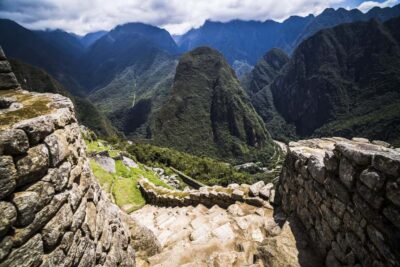
Short Inca trail to MachuPicchu || 2days – 1nigth ||
Read our review →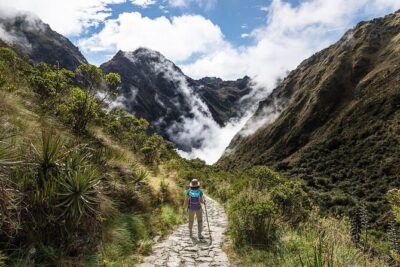
4 Day Inca Trail Trek to Machu Picchu Multi day tour
Read our review →
Browse the lists this tour appears in