
Reviewed · INCA TRAIL TREKS
4 Day Classic Inca Trail to Machu Picchu by 360° Train
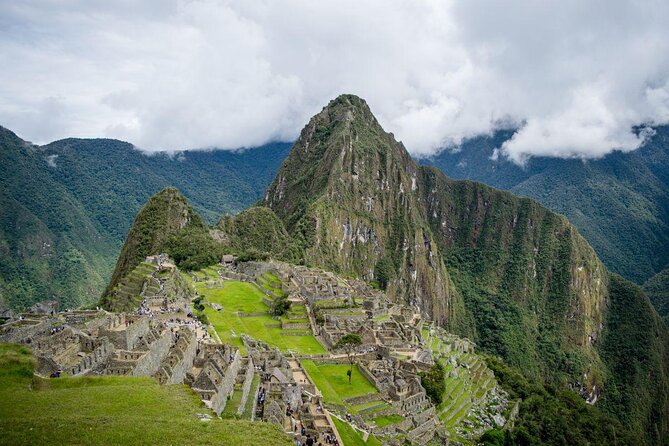
The heart of this trip is the classic Inca Trail itself: four demanding days from Piscacucho, also called KM-82, through high mountain passes and stone-built Inca sites to Machu Picchu. You climb to Dead Woman’s Pass at 4,215 meters, then reach the Sun Gate on foot before entering the famous ruins.
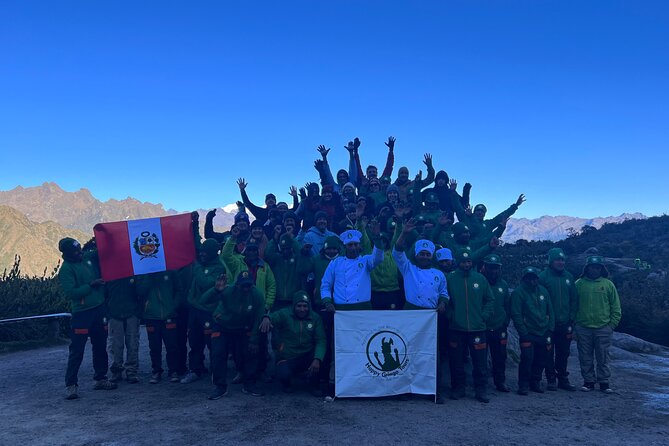
I like the small maximum group of nine, which should make walking and meal times more manageable than on a large expedition. I also like the practical setup: meals are included, porters carry the camp equipment, and you sleep in a private tent at each site rather than in a shared shelter.
The main caution is organization. Recent complaints describe late communication, confusion over pickup arrangements and equipment, and serious allegations about guide conduct. The operator disputes those claims, but you should confirm every detail in writing before paying, especially since the booking is non-refundable.
In This Review
- Key points to know before you book
- What $820 buys you on the Inca Trail
- Day 1: KM-82, Llactapata, and Ayapata
- Day 2: Dead Woman’s Pass at 4,215 meters
- Day 3: Phuyupatamarca, Inti Pata, and Wiñay Wayna
- Day 4: The Sun Gate and Machu Picchu
- Food, tents, and what you still carry
- Communication problems and guide standards
- Who will get the most from this trek
- Should you book the 4-day Classic Inca Trail?
- FAQ
- How long is the 4-day Classic Inca Trail tour?
- What is the highest point on the trek?
- How many people can join the group?
- Are meals included?
- Where do you sleep during the trek?
- Is the return transport to Cusco included?
- Is the tour refundable if you cancel?
Key points to know before you book
- Dead Woman’s Pass is the physical test: The climb takes about five hours and reaches 4,215 meters, followed by a steep descent on Inca steps.
- The group is capped at nine people: That is a useful size for a multi-day trek and may allow closer contact with the guide and cooking team.
- Meals are included throughout: You receive three breakfasts, three dinners, and four lunches, including lunch on the final day.
- You camp for three nights: Private tents are provided at Ayapata, Chaquicocha, and the Wiñay Wayna area.
- The fourth day begins early: You head to the Machu Picchu checkpoint, walk to the Sun Gate, visit the main temples, then return by train and bus.
- Confirm the small print: Ask about pickup, sleeping bags, linen, permits, porter loads, guide details, and the exact final-day schedule.
What $820 buys you on the Inca Trail
At $820 per person, this is not a budget walk, but the price covers the costly parts of a permitted Inca Trail expedition. Your package includes the Inca Trail and Machu Picchu tickets, three breakfasts, three dinners, four lunches, camping, porter support, and the return train from Machu Picchu to Ollantaytambo followed by a bus to Cusco.
The value depends on how much you would otherwise need to arrange yourself. The permits are essential, and the trail operates under controlled entry rules. Meals also matter more here than they would on an ordinary walking holiday. You are spending long days at high altitude, and a hot, prepared lunch is far more useful than carrying four days of food.
The group limit of nine is another point in the price column. A small party can move at a more sensible pace, and you are less likely to spend every rest stop waiting for a large pack of hikers. The package does not include tips for the guide, cook, or porters, and it does not include health insurance, so allow for those extra costs.
Sleeping bags and linen deserve special attention. One account says participants were expected to carry a rented sleeping bag and linen unless they paid an additional charge, while the company says clients carry sleeping bags when they do not hire an extra porter. Ask for the current rule and price before departure. A two-kilogram sleeping bag is not a minor addition on a steep mountain trail.
More ways to reach Machu Picchu:
- From Cusco: Full-Day Group Tour of Machu Picchu
★ 4.7 · 1,767 reviews - Machu Picchu Day Trip from Cusco
★ 4.5 · 1,644 reviews - Machu Picchu: Full-Day Tour from Cusco with Optional Lunch
★ 4.6 · 927 reviews
Day 1: KM-82, Llactapata, and Ayapata
The day begins with a 4:00 am start and a transfer from your hotel toward Piscacucho Estacion de Tren, the trailhead area at KM-82. At the checkpoint, your passport must match the permit used for entry. This is not the time to discover that a booking has been made under a nickname or with incorrect passport information.
The first part of the walk is fairly gentle. You follow the trail for a couple of hours toward Llactapata, an early Inca site that gives you a first taste of the stonework and old route ahead. This opening section is useful because it lets you settle into your boots and pack before the serious climbing begins.
After more walking, you stop for lunch. The cooking team and porters prepare an organic, fresh meal, and lunch is one of the strong practical features of this package. You do not need to ration trail snacks as your main food source, though you should still carry water and any personal snacks you need.
The first uphill section comes after lunch. You continue for several hours, with breaks, before reaching Ayapata base camp. The day is listed at about nine hours, so the early start is necessary. Do not treat this as a gentle warm-up day. Even the flatter sections become tiring when you combine altitude, rough ground, and a full afternoon of walking.
Ayapata is your first camp, and the private tent arrangement gives you a little personal space after a long day. The phrase private tent does not mean private bathroom or hotel comfort. It means you have your own tent at each campsite, while the wider camp remains shared.
Day 2: Dead Woman’s Pass at 4,215 meters
Day two is the hardest part of the route for most people because the main climb is long and the altitude is serious. After breakfast, you climb for about five hours to Dead Woman’s Pass, the highest point of the trek at 4,215 meters, or 13,779 feet.
The name sounds dramatic, but the real issue is the height. You may feel short of breath, slow, or unusually tired. The sensible approach is to keep your pace steady, take the planned breaks, and avoid racing the strongest person in the group. The guide should set a pace that keeps the party together without turning the climb into a contest.
The reward is not only the pass itself. Reaching the top gives the entire route a clear shape. You can look back at the climb you have completed, then focus on the long descent ahead. The next two hours take you down steep Inca steps to lunch. Descending can be just as hard as climbing, especially on knees and ankles.
After lunch, the trail rises again for about two hours and then drops for another two, with breaks along the way. You pass Runkurakay and Sayacmarca, two important Inca sites that make this day more than a mountain endurance test. The stone paths, terraces, and walls show how carefully the route was built for movement through difficult ground.
Chaquicocha campsite is about 30 minutes beyond the last site. The day again runs to roughly nine hours, so expect to arrive tired. This is the point where the all-inclusive meals and porter support earn their keep. You can focus on walking while the camp team handles much of the work around food and shelter.
Day 3: Phuyupatamarca, Inti Pata, and Wiñay Wayna
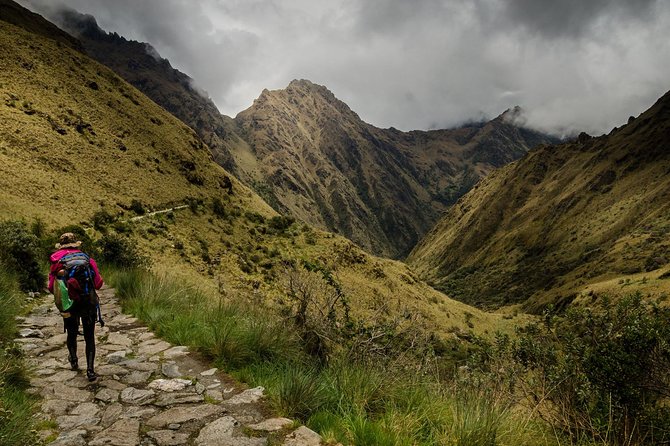
Day three is shorter in spirit, though it is still described as about nine hours. You begin after breakfast with a two-hour walk toward Phuyupatamarca, known as the City in the Clouds. The route is noted for mountain views, plants, and wildlife, although the exact conditions depend on weather and the time of day.
Phuyupatamarca is one of the memorable stops because the site and its position work together. You see Inca construction placed high above the surrounding valleys, with terraces and stonework adapted to steep ground. The route is not simply a path to Machu Picchu. These sites give you a fuller sense of the road system and the settlements connected to it.
You also visit Inti Pata, or Sun Above the Terraces, during the morning. The name points to the importance of sunlight and farming in Inca planning. These stops reward a slower pace, so listen when the guide explains what you are looking at rather than treating each ruin as a quick photo stop.
After lunch, you visit Wiñay Wayna, translated as Forever Young. It is one of the most impressive sites on the trail, with terraces, stairways, and tightly arranged stone structures set into a steep slope. Its proximity to Machu Picchu makes it an important final major site before the last morning.
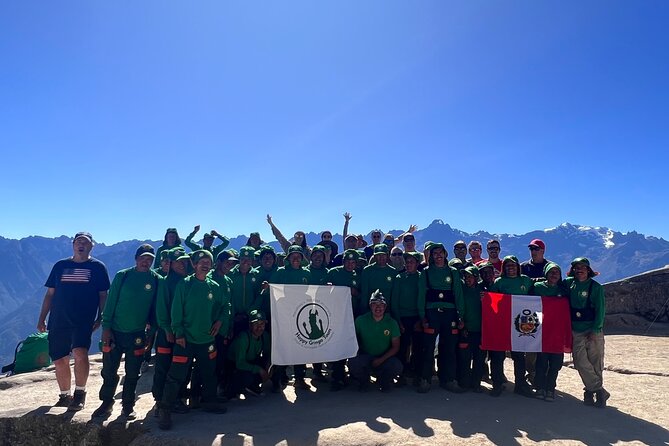
You return to camp for dinner and say goodbye to the porters. That farewell is worth noticing. Porters carry tents, food, gas, and other supplies over the same route you walk, and their work is central to the trip. Tips are not included, so carry enough local currency and ask the operator how the team prefers gratuities to be handled.
There is a scheduling point to clarify here. The day three description says you return to camp for dinner and farewell, while the day four information also refers to a final dinner at Wiñay Wayna. Those details do not fit neatly together. Ask the company to confirm the actual sleeping location and meal schedule for your final night.
More Inca Trail departures:
- Cusco: 4-Day Inca Trail to Machu Picchu with Accommodation
★ 4.8 · 432 reviews - Cusco: Machu Picchu 2-Day Inca Trail with Panoramic Train
★ 4.9 · 260 reviews - From Cusco: 2-Day Inca Trail to Machu Picchu
★ 4.2 · 244 reviews - Machu Picchu: Inca Trail 2-Day Overnight Guided Tour
★ 4.9 · 203 reviews
Day 4: The Sun Gate and Machu Picchu
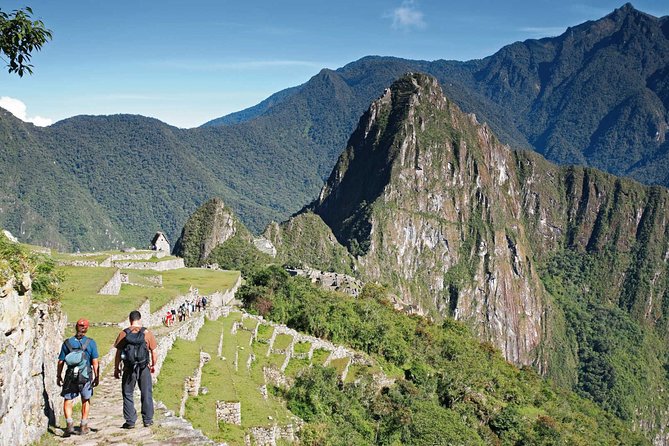
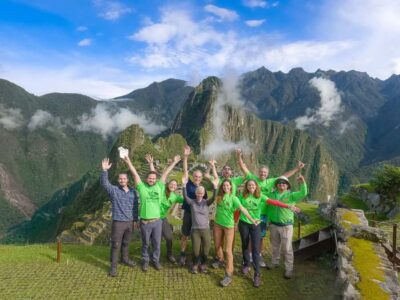
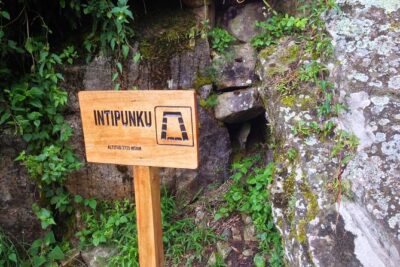
The final morning starts early, with the team waking you before heading to the checkpoint. Once the site opens, you walk toward the Sun Gate, or Inti Punku, where you get your first view of Machu Picchu from the trail.
This arrival is one reason to choose the classic trail instead of simply taking the train to Aguas Calientes. You approach the ruins on foot, following the old route and seeing the citadel appear from above. The first view can depend on clouds and light, so keep your expectations flexible. The walk and the setting remain the point even if the mountain is partly hidden.
From the Sun Gate, you continue into Machu Picchu for a visit to the most important temples. The package includes the Machu Picchu ticket, but the available circuit and entry rules can change. Confirm what route your permit allows and how much time you will have inside.
The afternoon return uses the train to Ollantaytambo, followed by a bus to Cusco. The train is a comfortable way to finish after four hard days, but the day is still long. Keep your passport and valuables close, and do not assume you will have a quiet hotel-style evening as soon as you leave the ruins.
The stated ticket redemption point is in Aguas Calientes, while the trip begins with an early hotel pickup toward KM-82. That may simply reflect how the tickets are issued, but it is worth confirming where you meet the team on day one and where you receive your final transport details.
Food, tents, and what you still carry
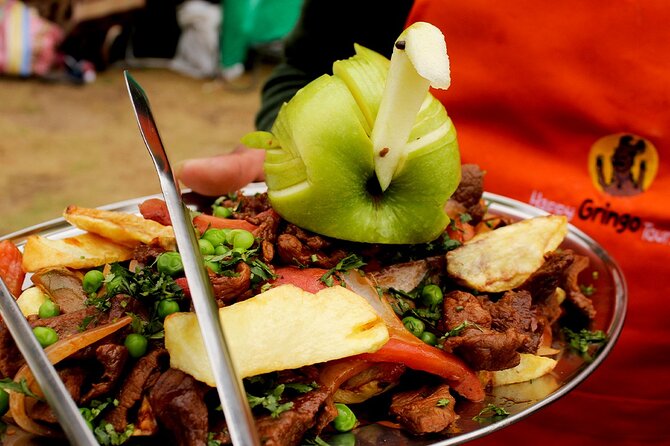
The food plan includes four lunches, three breakfasts, and three dinners. Lunch on the first day is served after the initial approach to Llactapata, and the meals are described as organic and fresh. For a strenuous trek, regular meals are a real benefit.
You should not assume the package carries every personal item for you. The supplied details specifically raise the question of sleeping bags, linen, and extra porter service. Ask these questions before departure:
- Is the sleeping bag included in the $820 price?
- If not, what is the rental charge?
- Do you carry it yourself?
- Is linen supplied?
- What personal weight can a porter carry?
- Are water and personal snacks your responsibility?
The tour includes private tents, but it does not promise private campsite facilities. You are still joining a mountain camp with shared arrangements and basic conditions. Strong physical fitness is required, and the nine-hour days make that warning important.
Communication problems and guide standards
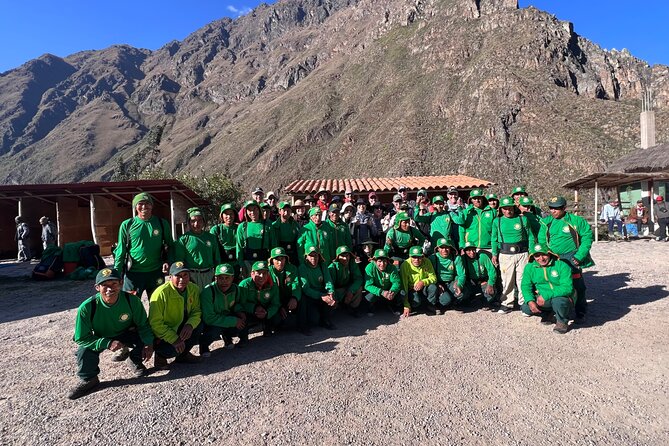
The overall rating is 4.9 from 62 ratings, with 97 percent recommending the experience. The strongest positive pattern is clear: the Inca Trail route, the porters and cooks, the meals, and the guide team can make this a memorable four-day trek.
Still, two serious complaints require attention. One account describes a date change communicated only about a day and a half before departure, creating problems with hotels and other plans. The company says the change involved a backup date accepted by the participant and disputes the account.
Another account alleges a missed pickup, unclear instructions, an intoxicated guide, and unwanted physical contact. The company rejects those allegations and gives a different account of the pickup, alcohol, and interaction. Because the claims are disputed, I would not treat either version as proven. I would treat them as a reason to demand clear standards before you go.
Ask for the guide’s name, the emergency contact, the pickup time and place, the confirmed start date, and the equipment rules. Save the answers in writing. If communication becomes vague before a four-day high-altitude trek, that is a reasonable warning sign.
Who will get the most from this trek
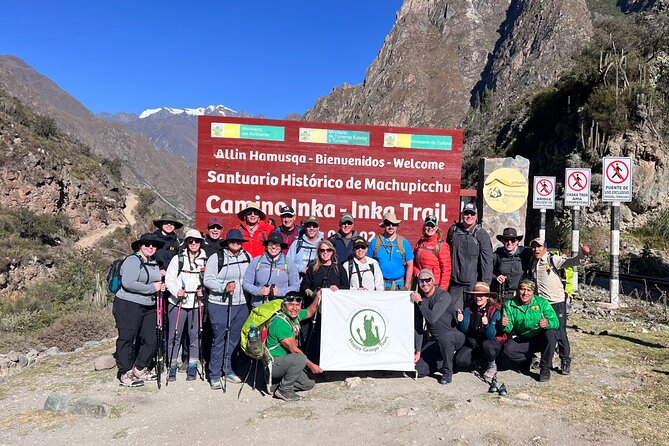
This trip suits you if you want the full classic route rather than a quick visit to Machu Picchu. You need to be comfortable with long walking days, steep Inca steps, a high pass, early starts, camping, and basic mountain conditions.
It is a good fit for someone who values a small group and does not want to arrange permits, meals, camps, and transport separately. The private tent is helpful if you want a little more personal space at night.
It is a poor fit if you need flexible cancellation, dislike steep climbs, or want hotel comfort. The booking is non-refundable and cannot be changed for personal reasons. If bad weather cancels the trip, the stated options are a new date or a full refund. If the minimum group size is not met, you are offered another date, another experience, or a refund.
Should you book the 4-day Classic Inca Trail?
I would consider booking this tour for the route, the small group cap, included meals, and porter-supported camping. The price can be fair for a permitted four-day expedition with a train return, especially if the group really stays at nine or fewer.
I would book only after receiving written confirmation of the date, pickup, sleeping bag policy, porter arrangements, guide identity, campsite schedule, and Machu Picchu entry details. The route itself is exceptional, but a hard trek needs dependable communication.
If the company answers those questions clearly, this can suit a fit hiker who wants the Inca Trail in its traditional form. If answers remain vague, choose a provider with stronger pre-trip communication. Four days in the Andes is too demanding to begin with avoidable uncertainty.
FAQ
How long is the 4-day Classic Inca Trail tour?
The experience lasts approximately four days. Each day is described as taking about nine hours, including walking, site visits, meal stops, and campsite movements.
What is the highest point on the trek?
The highest point is Dead Woman’s Pass at 4,215 meters, or 13,779 feet above sea level. The climb to the pass takes about five hours on day two.
How many people can join the group?
The group has a maximum of nine participants.
Are meals included?
Yes. The package includes three breakfasts, three dinners, and four lunches.
Where do you sleep during the trek?
You sleep in a private tent at each campsite. The camps mentioned are Ayapata, Chaquicocha, and the Wiñay Wayna area.
Is the return transport to Cusco included?
The final-day plan includes a train from Machu Picchu to Ollantaytambo and a bus onward to Cusco. Confirm the exact meeting and ticket arrangements before departure.
Is the tour refundable if you cancel?
No. The experience is non-refundable and cannot be changed for personal reasons. If poor weather cancels the trip, you are offered a different date or a full refund. If the minimum number of participants is not reached, you are offered another date, another experience, or a refund.
More Treks From Cusco
- From Cusco: 7 Lakes Ausangate Trek with Breakfast and Lunch
★ 4.8 · 360 reviews - Cusco: Rainbow Mountain Tour and Red Valley Hike (Optional)
★ 4.7 · 149 reviews - Cusco: Full-Day Rainbow Mountain & Red Valley Trekking Tour
★ 4.5 · 121 reviews - Short Inca trail to MachuPicchu || 2days – 1nigth ||
★ 5.0 · 103 reviews
Just added around Cusco
- Cusco: Via Ferrata, Skybike, and Rappel Adventure★ 5.0 · 3 reviews
- From Cusco: Maras and Moray and Ollantaytambo Tour★ 5.0 · 3 reviews
- Cusco: Rainbow Mountain Tour at Sunset Without the Crowds★ 4.7 · 3 reviews
- Cusco: Sacred Valley Day Trip with Maras & Moray Salt Mines★ 5.0 · 3 reviews
- Valle Sur Cusco | half day★ 4.3 · 3 reviews
- Salkantay trek to Machu Picchu – 5D/4N – Premium★ 3.3 · 3 reviews
- IN MACHU PICCHU: Private Tour Guide Service★ 5.0 · 3 reviews
- Full-Day Condor Viewpoint & Inca Sites Tour★ 5.0 · 3 reviews
Inca Trail Treks, compared.
4-Day Inca Trail to Machu Picchu with Accommodation
Read our review →
Machu Picchu 2-Day Inca Trail with Panoramic Train
Read our review →
Short Inca trail to MachuPicchu || 2days – 1nigth ||
Read our review →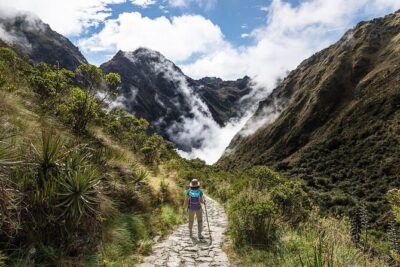
4 Day Inca Trail Trek to Machu Picchu Multi day tour
Read our review →
Browse the lists this tour appears in