
Reviewed · MACHU PICCHU TOURS
2 Days Tour to Sacred Valley and Machupicchu
Machu Picchu gets the headline, but the best part of this two-day trip is how it connects the famous citadel to the Sacred Valley’s working traditions. You see Inca farming terraces at Chinchero and Moray, salt still collected at Maras, and Ollantaytambo, a living town built around one of the finest Inca sites in Peru. I especially like the private format and the overnight stay in Aguas Calientes, which avoids trying to force the entire Machu Picchu visit into one exhausting day.
I also like that the route covers several very different sites before the big finale, and that admission tickets, train travel, and a buffet lunch are built into the package. The main drawback is the pace: day one begins early and packs in Chinchero, Moray, Maras, Urubamba, and Ollantaytambo before the train. You need to be comfortable with long transfers, fixed departure times, and a full day on your feet.
In This Review
- Key points at a glance
- Why this two-day route works well from Cusco
- Chinchero brings Inca farming into view
- Moray explains the Inca farming experiment
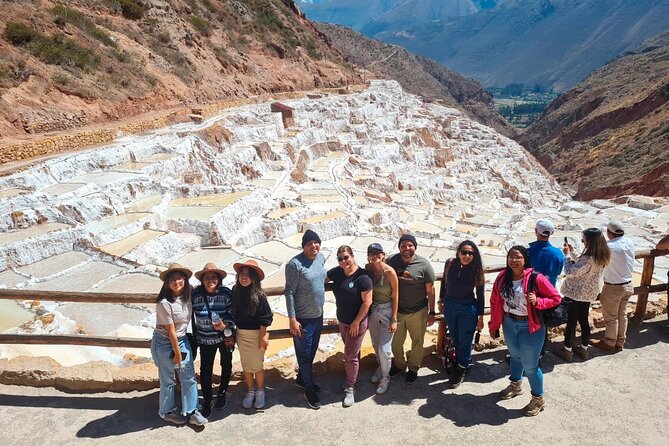
- Maras Salt Mines are still part of local life
- Urubamba provides the day’s main meal
- Ollantaytambo is both a ruin and a living town
- The night in Aguas Calientes makes Machu Picchu easier
- Machu Picchu is the main event, with a private guided visit
- Returning by train and road to Cusco
- What the service style appears to prioritize
- Who should book this tour
- Should you book the $529 package?
- FAQ
- Where does the tour start?
- Where does the tour end?
- Is this a private tour?
- What sites are visited on the first day?
- Is lunch included?
- Is the hotel in Aguas Calientes included?
- Is the train to Machu Picchu included?
- How long is the Machu Picchu guided visit?
- Can I cancel for a full refund?
Key points at a glance
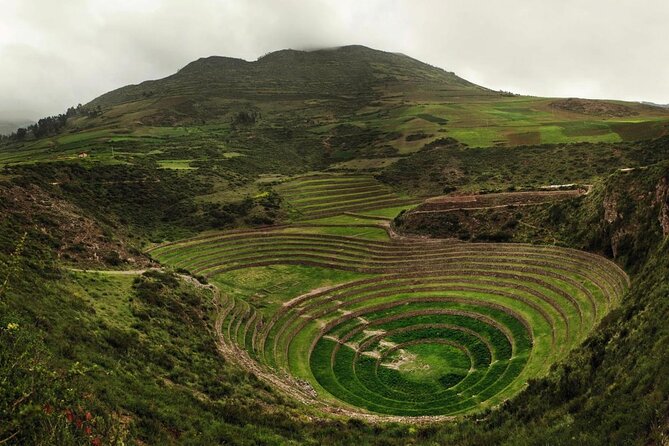
- Moray’s circular terraces show how Inca farmers used changing temperatures and elevations to test crops.
- Maras Salt Mines are still worked by local residents, giving the stop a living connection to the past.
- Ollantaytambo combines an inhabited Inca town with huge stone ruins and is also the rail departure point.
- An overnight in Aguas Calientes gives you a more practical start for Machu Picchu than returning to Cusco the same night.
- Private touring means only your group participates, with more room for questions and adjustments.
- Carlos and the agency team are repeatedly associated with punctual transfers, friendly help, and quick solutions when plans change.
Why this two-day route works well from Cusco
At $529 per person, this is not a bargain-basement day trip. It is a compact, organized package that joins several major stops, transport between Cusco and Machu Picchu, one hotel night, entrance tickets, a buffet lunch, and guided sightseeing. The value depends on what you want from the trip. If you prefer to arrange every train, ticket, hotel, and transfer yourself, you may find a cheaper combination. If you want one private operator handling the moving parts, the price is easier to justify.
The private format matters in Peru. Timing at Machu Picchu is controlled, trains run on set schedules, and a missed connection can cause real trouble. Having one team coordinate the road journey, Ollantaytambo train, Aguas Calientes stay, Machu Picchu bus, and return transport reduces the number of details you must manage yourself.
The schedule has two listed morning times: group pickup at 6:30 a.m. and a meeting-point start at 7:00 a.m. Confirm the exact pickup time and location before departure. The stated meeting point is Av. El Sol 580 in Cusco, and the tour ends back at that point or directly at your hotel in Cusco, according to the return plan.
More ways to reach Machu Picchu:
- From Cusco: Full-Day Group Tour of Machu Picchu
★ 4.7 · 1,767 reviews - Machu Picchu Day Trip from Cusco
★ 4.5 · 1,644 reviews - Machu Picchu: Full-Day Tour from Cusco with Optional Lunch
★ 4.6 · 927 reviews
Chinchero brings Inca farming into view
The first stop is the Iglesia Colonial de Chinchero and its nearby traditional market and archaeological center. Allow about 45 minutes to an hour here. This is a useful opening stop because it introduces the valley through agriculture, stonework, and local commerce rather than rushing straight to the biggest monument.
You can expect to see Inca construction, farming areas, and broad agricultural terraces. The terraces are not just decorative stone steps. They show how the Incas shaped steep ground into usable planting zones, an idea that will return at Moray later in the morning.
Chinchero also brings together two periods of Peru’s past. The colonial church sits alongside an Inca archaeological site, so the visit gives you a quick look at how Spanish colonial buildings occupied an earlier Andean setting. The market adds a more everyday side to the stop, with local handicrafts and weaving traditions connected to the villages of the valley.
The limitation is time. Forty-five minutes passes quickly if you want both the market and archaeological center. I would listen closely to the guide at the start, then decide whether the church, ruins, or market matters most to you.
Moray explains the Inca farming experiment
Moray is one of the most unusual sites on the route. Instead of terraces climbing a mountainside, the Inca terraces form great circular bowls cut into the earth. The descending rings create different conditions at different depths, with changes in temperature and exposure.
The site is often described as a set of Inca greenhouses, though that label should be treated as a simple comparison rather than a complete explanation. The important point is that the Incas used careful engineering to create varied growing conditions. The tour description connects the system with the cultivation of more than 250 types of vegetables, supported by irrigation and water storage.
I like Moray because it makes Inca achievement feel practical. You are not looking only at ceremonial stonework. You are looking at a large agricultural system designed around soil, water, temperature, and crop growth.
The visit is paired with Maras Salt Mines and is allotted about 1 hour and 15 minutes. That combined timing may feel short, especially if you want photographs at both sites. Wear shoes with a secure grip and stay near the guide, since the tour moves on a schedule to reach Ollantaytambo and the train.
Maras Salt Mines are still part of local life
The Salineras de Maras are carved into a mountainside as hundreds of small salt pans. Salt water flows through the system, and the mineral deposits are collected as the water evaporates. The operation has roots in the pre-Inca, Inca, and colonial periods, but it is not simply an archaeological display. Local residents still benefit from the salt produced there.
That continuing use is what makes Maras especially worthwhile. The stop links ancient methods with present-day livelihoods. You can look at the white salt pans and understand that the site remains economically relevant, not frozen in the past for sightseeing alone.
This stop can be visually striking, but it is also easy to misunderstand if you arrive, take a few photos, and leave. Ask the guide how the water reaches the pans and how the local community benefits. The tour’s private setup should make it easier to pause for questions.
Again, the main concern is time. Moray and Maras share one short stop in the schedule, so do not expect a slow visit at either place. The order may also vary if local conditions or transport needs require an adjustment.
More Sacred Valley days out of Cusco:
- From Cusco: Sacred Valley & Maras Salt Mines Tour with Lunch
★ 4.8 · 2,227 reviews - Cusco: Sacred Valley, Pisac, Ollantaytambo, Salt Mines Moray
★ 4.6 · 1,058 reviews - Sacred Valley: Chinchero, Moray, Ollantaytambo & Pisac+Lunch
★ 4.8 · 501 reviews - Sacred Valley: Maras & Moray by Quad Bike from Cusco
★ 4.6 · 418 reviews
Urubamba provides the day’s main meal
After the morning archaeological stops, the route continues to Urubamba for a buffet lunch. This is a practical break in a demanding day, and the buffet format is useful for a private group with different tastes or appetites.
Lunch is included on day one, but the information does not specify the restaurant or exact menu. I would treat it as a convenient meal rather than the main reason to choose the tour. You will have more freedom at Aguas Calientes on the second day, where lunch is on your own after Machu Picchu.
Urubamba also marks a change in the day. The morning focuses on agricultural engineering and salt production. The afternoon shifts toward the Inca road network, military architecture, and the rail journey to Machu Picchu.
Ollantaytambo is both a ruin and a living town
Ollantaytambo is one of the strongest stops on the first day. You explore the ancient town and its large Inca ruins with a guide before boarding the train to Aguas Calientes. The archaeological park includes massive stone terraces and high ceremonial or defensive structures, while the town below retains its Inca street plan.
I like having Ollantaytambo placed before the train rather than treating it as a quick photo stop on another day. The town helps you understand how the Inca world worked at ground level. Its lanes, stone walls, and terraces are not isolated fragments. They form part of a settlement that people still use.
The planned visit is about one hour, which is enough for an introduction but not a slow, detailed study of every corner. The site rises above the town, and the walk includes uneven ground and stairs. You should save energy for Machu Picchu, but do not skip the guide’s explanation here. Ollantaytambo is one of the places where the valley’s engineering, religion, and military role come together.
After the visit, you board the train to Aguas Calientes and spend the night in a hotel. This overnight arrangement is a real strength. You are not trying to visit Machu Picchu, return to the train, and continue all the way to Cusco on the same evening.
The night in Aguas Calientes makes Machu Picchu easier
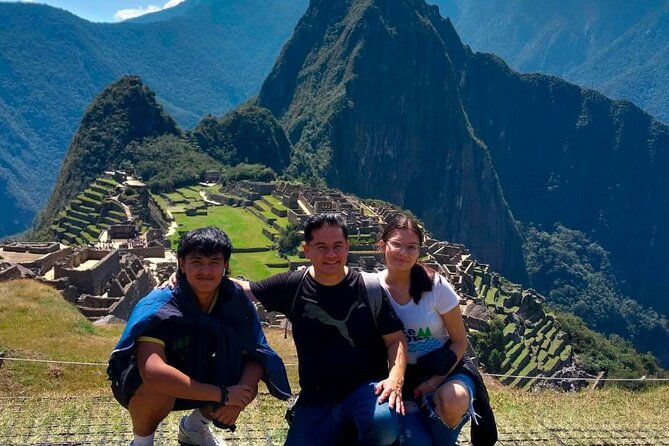
Aguas Calientes is the gateway town below Machu Picchu. The overnight stay breaks the journey into sensible sections: a full first day through the Sacred Valley, then a focused morning at the citadel, followed by the return train.
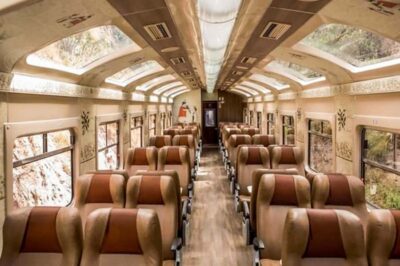
The exact hotel is not named in the provided details, so confirm the property and room arrangements before booking if hotel standards matter to you. The same applies to the precise train service and baggage rules. The package clearly includes train travel in the plan, but those smaller details can affect comfort.
Day two begins with the bus up to the Machu Picchu archaeological site. The bus ride saves your legs for the ruins, though you still need to be ready for stairs, uneven paths, and a great deal of walking once inside.
Machu Picchu is the main event, with a private guided visit
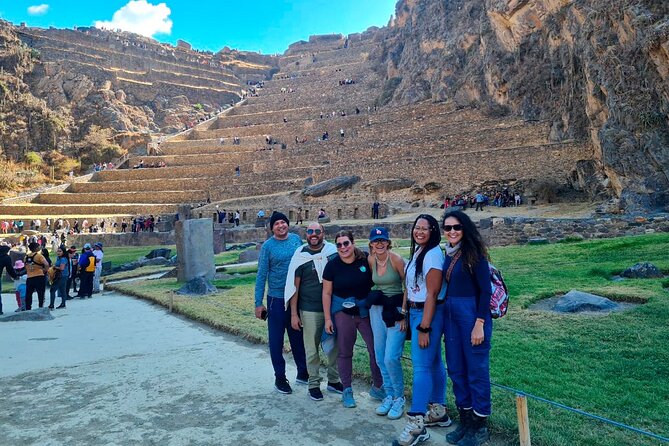
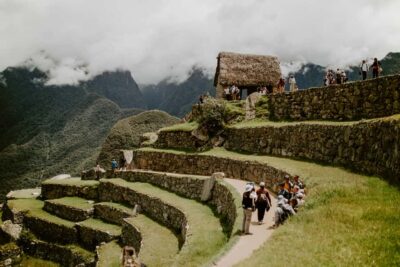
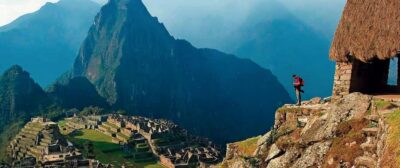
The guided Machu Picchu visit is described as a private tour lasting about two and a half hours, while the stop itself is listed as roughly two hours. Treat that as an approximate window and confirm the exact circuit and duration with the operator. Your guide leads you through the ruins, main streets, plazas, and major areas of the World Heritage Site.
The private format is particularly valuable here. Machu Picchu can feel confusing without context, and the stones do not explain their own purpose. A guide can help you understand how the citadel is arranged and point out details you would likely pass without noticing.
The plan also gives you time to explore on your own after the guided portion. You can revisit plazas, spend more time at the spiritual center, or climb the carved stone stairs to higher viewpoints where permitted by your entry circuit and current site rules. Do not assume every area is open to every ticket. Access at Machu Picchu is controlled, and the guide or operator should explain the route you have been assigned.
The wording about exploring independently is important. This is not a nonstop lecture. You get a structured introduction, then some freedom to look at the site at your own pace. Still, the total time is limited, so keep an eye on the meeting instructions and return transport.
Returning by train and road to Cusco
After Machu Picchu, you descend to Aguas Calientes for lunch at your own expense. The listed return train departs at 2:55 p.m. From there, you travel to Ollantaytambo train station and transfer to private transportation for the drive back to Cusco.
This is a long return day, but the logistics are straightforward if the schedule runs on time. The fixed train departure means you cannot linger indefinitely in Aguas Calientes. Plan your meal with the train in mind and follow the guide’s instructions about where and when to regroup.
The return service is described as ending at the original meeting point, with direct hotel return also noted. Confirm your exact drop-off arrangement in advance, particularly if your hotel is outside the central Cusco area.
What the service style appears to prioritize
The agency is Cholos & Chullos Travel. Names connected with its customer service include Carlos, Carlos Rios, and Carlos Mayumi. The strongest pattern in the available feedback is not a single attraction but the human side of the operation: on-time pickups, attentive communication, help during transfers, and quick responses when plans change.
That matters on a trip with several handoffs. You are moving from road transport to train, then bus, then archaeological visit, then train and road transport again. The agency’s praised service is described as friendly, personalized, and attentive from airport arrival through the wider Cusco program.
Food also receives repeated praise, especially the buffet meals and general meal arrangements. Keep your expectations sensible for a packaged tour, but the included day-one buffet adds value and removes one decision from a busy day.
The main thing to verify is what is not fully specified: the hotel name, train category, exact Machu Picchu circuit, and the precise pickup time. These details are more important than a broad promise of convenience.
Who should book this tour
I would recommend this trip to you if you have only two days for the Sacred Valley and Machu Picchu and want a private, guided plan. It suits first-time visitors who would rather have one team coordinate the tickets, transfers, hotel, and train than assemble the trip themselves.
It is also a good fit if you value explanation. Chinchero, Moray, Maras, and Ollantaytambo make more sense when someone connects the sites to farming, water, salt, settlement, and transport.
I would hesitate if you want long, unhurried visits at each location. The first day is tightly packed, and the 6:30 or 7:00 a.m. start will not suit everyone. Independent planners may also prefer choosing their own hotel, restaurants, train times, and Machu Picchu route.
Most people can participate, but the schedule involves walking and stairs at archaeological sites. If mobility is a concern, ask the operator for current route details before booking.
The cancellation policy allows a full refund if you cancel at least three full days before the local start time. Cancellations or changes made less than three full days ahead are not accepted for a refund, and confirmation is subject to availability within 48 hours of booking.
Should you book the $529 package?
Book it if you want the Sacred Valley and Machu Picchu in one carefully connected trip, especially if you are uneasy about managing Peruvian trains and transfers on your own. The private format, overnight in Aguas Calientes, included entrance tickets, day-one buffet lunch, and strong attention to transport coordination make the price reasonable for a short visit.
Skip it if your priority is the lowest possible cost or extended time at each site. Before paying, confirm the hotel, train details, Machu Picchu circuit, pickup time, and what transport is covered between the meeting point and your hotel. With those points clear, this is a practical way to see the valley’s agricultural and cultural sites before arriving at Peru’s most famous ruin.
FAQ
Where does the tour start?
The meeting point is Av. El Sol 580, Cusco 08002, Peru. The tour information also lists group pickup at 6:30 a.m. and a start time of 7:00 a.m., so confirm the exact pickup time.
Where does the tour end?
The activity ends back at the meeting point. The return plan also states that private transportation can take you directly to your hotel in Cusco.
Is this a private tour?
Yes. Only your group participates in the activity.
What sites are visited on the first day?
The first day includes Chinchero, Moray, the Maras Salt Mines, Urubamba, and Ollantaytambo.
Is lunch included?
A buffet lunch in Urubamba is included on day one. Lunch in Aguas Calientes after the Machu Picchu visit is on your own.
Is the hotel in Aguas Calientes included?
The plan includes an overnight hotel stay in Aguas Calientes, but the specific hotel is not named in the provided details.
Is the train to Machu Picchu included?
Train travel from Ollantaytambo to Aguas Calientes and the return journey are part of the tour plan. The listed return train departs at 2:55 p.m.
How long is the Machu Picchu guided visit?
The private guided tour is described as lasting about two and a half hours. The Machu Picchu stop is also listed as approximately two hours, so confirm the exact schedule with the operator.
Can I cancel for a full refund?
Yes, if you cancel at least three full days before the experience start time. Cancellations or changes made less than three full days before the start are not accepted for a refund.
Just added around Cusco
- Cusco: Via Ferrata, Skybike, and Rappel Adventure★ 5.0 · 3 reviews
- From Cusco: Maras and Moray and Ollantaytambo Tour★ 5.0 · 3 reviews
- Cusco: Rainbow Mountain Tour at Sunset Without the Crowds★ 4.7 · 3 reviews
- Cusco: Sacred Valley Day Trip with Maras & Moray Salt Mines★ 5.0 · 3 reviews
- Valle Sur Cusco | half day★ 4.3 · 3 reviews
- IN MACHU PICCHU: Private Tour Guide Service★ 5.0 · 3 reviews
- Salkantay trek to Machu Picchu – 5D/4N – Premium★ 3.3 · 3 reviews
- Full-Day Condor Viewpoint & Inca Sites Tour★ 5.0 · 3 reviews
Machu Picchu Tours, compared.
4-Day Inca Trail to Machu Picchu with Accommodation
Read our review →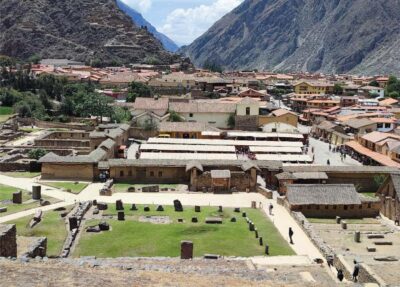
2-Day Trip to the Sacred Valley and Machu Picchu
Read our review →
Machu Picchu 2-Day Inca Trail with Panoramic Train
Read our review →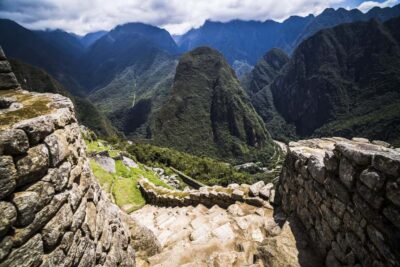
Browse the lists this tour appears in