
Reviewed · MACHU PICCHU TOURS
2-Day Sacred Valley & Machu Picchu by Train – Small Group Tour
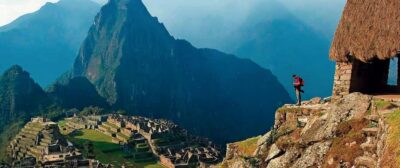
Machu Picchu is the headline, but the first day gives you a useful taste of the Sacred Valley before the train carries you to Aguas Calientes. You see Pisac’s terraces and market, walk through Ollantaytambo’s huge stone complex, and reach the citadel early enough to make the most of your second day.
I like the small maximum group of nine, which makes it easier to hear the guide and keep a sensible pace. I also like the strong guiding reported from Ruben, Elvis, Pedro, Diego, and Julio, with special praise for clear explanations, calm pacing, and smooth support at Machu Picchu. The main concern is coordination: one booking had late notice, missing tickets, and an unexpectedly late return to Cusco, so confirm every departure and ticket detail before setting off.
In This Review
- Key points at a glance
- Why this two-day route works
- Leaving Cusco at 7:45 AM
- Awana Kancha and the Taray viewpoint
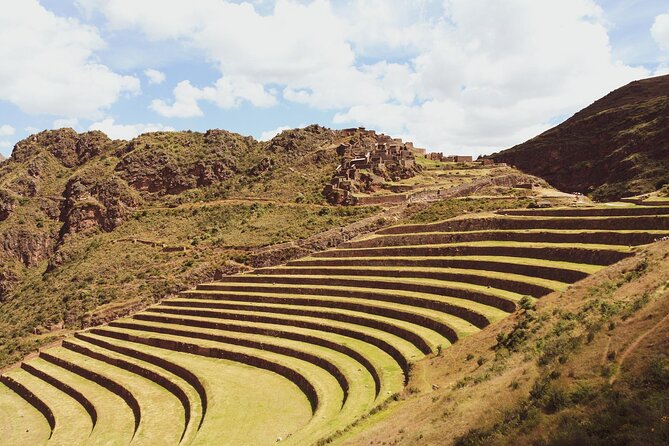
- Pisac’s terraces and ceremonial stonework
- Pisac Market in fifteen minutes
- Buffet lunch in Urubamba
- Ollantaytambo before the train
- Evening in Aguas Calientes
- Entering Machu Picchu on the second morning
- The return train and Cusco arrival
- What the $599 price really covers
- Who should book this tour
- Practical details before you go
- Final call: a strong route with one important warning
- FAQ
- How long is the Sacred Valley and Machu Picchu tour?
- Is hotel pickup in Cusco included?
- Is the Machu Picchu entrance ticket included?
- Which train is included?
- Are Huayna Picchu and Machu Picchu Mountain included?
- Is lunch included on both days?
Key points at a glance
- Pisac combines ruins and shopping: You visit the hilltop Inca site, then have a short stop at the famous market for textiles, jewelry, ceramics, and souvenirs.
- Ollantaytambo is more than a train station: Its terraces, temples, and military role make it one of the most memorable stops in the Sacred Valley.
- The group is capped at nine people: That is a useful middle ground between a private tour and a large coach outing.
- Machu Picchu is guided, not just photographed: Your guide leads you through temples, terraces, and named features such as the Condor Temple.
- The $599 price covers the major transport pieces: You get the Machu Picchu entrance, bus, Expedition train, meals listed, guides, and Cusco transfers.
- The schedule is full: Two days cover a lot of ground, and you should confirm pickup time, train times, and entrance arrangements in advance.
Why this two-day route works
This is a fast but sensible way to combine two of Peru’s biggest sights. Instead of spending one full day getting to Machu Picchu and another returning, you use the first day for the Sacred Valley and sleep in Aguas Calientes. That leaves the second morning for the citadel itself.
The route also follows the natural geography of the area. Cusco sits high in the Andes, while the Sacred Valley drops lower and becomes warmer. From there, the train follows the Urubamba River toward Aguas Calientes, the town below Machu Picchu. You are not zigzagging back and forth by road.
The trade-off is time. Pisac’s archaeological site gets about 45 minutes, the market about 15 minutes, and Awana Kancha about 20 minutes. Those stops are enough for an introduction and some good photographs, but not enough for slow, independent exploration. If you want long market browsing or detailed study of every ruin, a private multi-day plan will suit you better.
More ways to reach Machu Picchu:
- From Cusco: Full-Day Group Tour of Machu Picchu
★ 4.7 · 1,767 reviews - Machu Picchu Day Trip from Cusco
★ 4.5 · 1,644 reviews - Machu Picchu: Full-Day Tour from Cusco with Optional Lunch
★ 4.6 · 927 reviews
Leaving Cusco at 7:45 AM
The day begins with pickup from your Cusco accommodation, although the stated meeting information also gives Plaza Regocijo and a 7:00 AM start. This is one detail I would confirm directly before the tour. The supplied schedule lists hotel pickup at 7:45 AM, and tour timing can shift with hotel location and group arrangements.
As you leave the city, the drive passes near Sacsayhuaman, Qenqo, and Pucapucara. These sites are not scheduled as full visits, but the route gives you a quick introduction to the Inca remains around Cusco. An optional stop at the Cristo Blanco viewpoint can provide a broad view over the city and a fine first photograph.
You spend much of this section in a modern vehicle with a guide explaining local history and culture. The first morning is not just a transfer. It sets up the larger story of how Cusco, the Sacred Valley, and Machu Picchu fit together.
Awana Kancha and the Taray viewpoint
Awana Kancha is a short stop, but it has easy appeal. You see llamas, alpacas, huanacos, and vicuñas, and you can feed the animals by hand. The visit also connects the animals to Andean textile traditions, especially the value of their wool.
For families and first-time visitors, this is a pleasant break from ruins. It gives you a close look at animals that appear throughout Andean art and daily life. The stop is brief, though, so think of it as an introduction rather than a full farm visit.
The Taray viewpoint follows with about ten minutes for photographs. From here, you can look over Inca terraces, villages, glaciers, and the broad Sacred Valley. Your guide explains why this valley was so important for agriculture. Bring your camera, but also take a moment to look beyond the usual quick snapshot. The view helps you understand why the Incas developed such an extensive network of terraces here.
Pisac’s terraces and ceremonial stonework
Pisac Archaeological Park is one of the strongest stops on the first day. The site sits high above the valley, so you get both ruins and wide mountain views. Its terraces show how the Incas adapted steep slopes for farming, while the stone structures, altars, and water channels point to the settlement’s religious and practical roles.
The visit lasts about 45 minutes. That is enough for a guided overview of the key areas, but the terrain and schedule mean you should wear shoes with a good grip and avoid bringing a cumbersome bag. The tour is designed to show you the main ideas clearly, not to give you a full archaeological study.
I would pay close attention to the guide here. A good explanation turns the terraces from attractive stone lines into evidence of engineering, food production, and careful water control. Guides such as Ruben, Pedro, Diego, and Julio were praised for making Inca architecture and daily life easier to understand. Their strengths matter most at sites like Pisac, where a quick look alone does not tell you much.
More Sacred Valley days out of Cusco:
- From Cusco: Sacred Valley & Maras Salt Mines Tour with Lunch
★ 4.8 · 2,227 reviews - Cusco: Sacred Valley, Pisac, Ollantaytambo, Salt Mines Moray
★ 4.6 · 1,058 reviews - Sacred Valley: Chinchero, Moray, Ollantaytambo & Pisac+Lunch
★ 4.8 · 501 reviews - Sacred Valley: Maras & Moray by Quad Bike from Cusco
★ 4.6 · 418 reviews
Pisac Market in fifteen minutes
The market stop is short, listed at about 15 minutes. You can look for handwoven clothing, ceramics, silver jewelry, and small gifts, but you will need to move with purpose. If you are a serious shopper, this is only a sampler.
The value of the stop is not only in buying something. It gives you a glimpse of local craft traditions and the colors of Quechua culture. Compare a few stalls before buying, and keep your expectations realistic. The description emphasizes traditional goods, but it does not promise that every item is made locally or by the person selling it.
Because time is limited, decide in advance what interests you. A small textile, piece of jewelry, or practical souvenir is easier to choose quickly than a large purchase requiring careful comparison. If shopping is central to your trip, ask whether you can have more time or consider returning to Pisac separately.
Buffet lunch in Urubamba
Lunch in Urubamba is listed as a buffet with more than 50 Peruvian dishes, including salads, soups, main courses, and desserts. Vegetarian and special dietary options are available. The meal is included on the first day, while drinks and additional meals are not.
This is useful after a morning of walking. You can try several styles of Peruvian food without committing to one unfamiliar dish. The stated choices include alpaca, ceviche, and quinoa soup, though the exact menu may change.
The stop lasts about 45 minutes, so it is a functional group lunch rather than a long food-focused outing. If you have strict dietary needs, tell the provider ahead of time and confirm what will be available on your date.
Ollantaytambo before the train
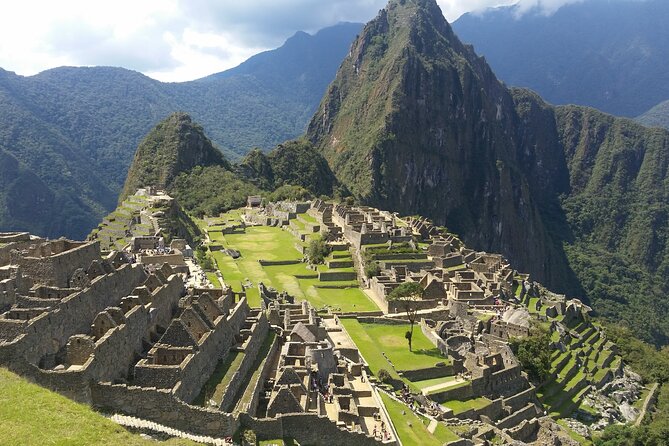
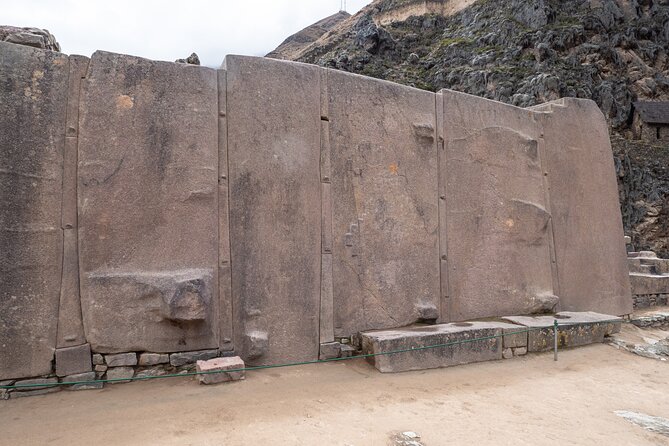
Ollantaytambo is a major reason to choose this route instead of a simple Cusco to Machu Picchu train transfer. The old settlement and fortress contain broad terraces, temples, and heavy stonework built into the mountainside. Its position also helps explain its military importance in the Sacred Valley.
The scheduled visit lasts about two hours, including the transfer to the station and train boarding. That means your time inside the archaeological park is less than two full hours. Still, it is enough to appreciate the scale of the terraces and hear about the battles, ceremonies, and royal connections linked to the site.
Do not treat Ollantaytambo as a minor stop before the main event. For many people, it is the most impressive Inca complex of the first day because you can walk among substantial structures rather than only look over a hillside site.
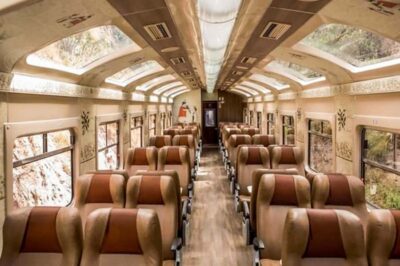
The included train is the Expedition category from Ollantaytambo to Aguas Calientes. An upgraded Vistadome option is offered, with larger windows and a more scenic feel. The journey follows the Urubamba River through mountain country and takes you toward the cloud forest around Machu Picchu.
The Vistadome upgrade was described as enjoyable in one account, but it is not part of the basic inclusion. Ask about the extra cost and exact train service before paying for it. Train schedules and ticket assignments are important here, since a late departure can push your return to Cusco well into the evening.
Evening in Aguas Calientes
On arrival, staff meet you at the station and escort you to the hotel. The evening is otherwise free. You can walk around town, visit a café, or rest before the early visit to Machu Picchu.
The accommodation itself is not named in the supplied details, so confirm the hotel category and whether breakfast is included. Breakfast is listed among the tour inclusions, but the exact serving time matters because the second morning begins with the bus to the citadel.
Aguas Calientes is mainly a base for the ruins, not a destination where you need to plan a full evening. The optional hot springs cost extra, and you should only add them if your arrival time and energy allow. Rest may be the wiser choice before a major sightseeing morning.
Entering Machu Picchu on the second morning
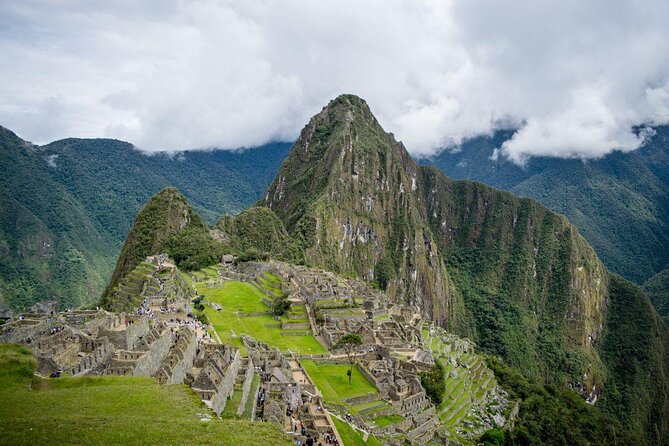
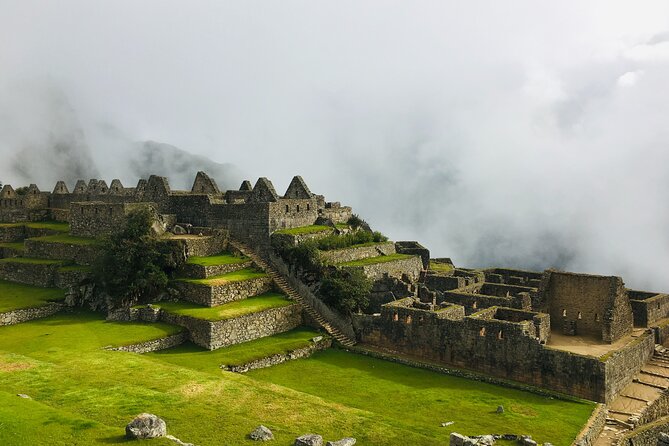
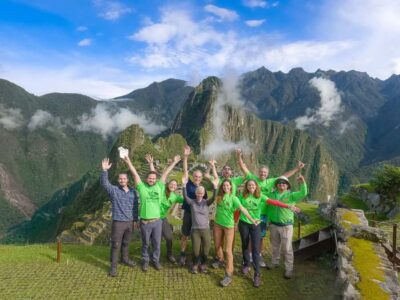
After breakfast, your guide takes you to the bus station for the ride to the entrance. The bus is included, as is the entrance ticket to the Machu Picchu citadel. Inside, the guided visit covers temples, terraces, spiritual sites, and other major features, including the Condor Temple.
The scheduled Machu Picchu portion lasts about four hours, including the bus movements and time to explore after the guided walk. You also get spare time on your own before returning to Aguas Calientes for lunch, which is not included.
Your circuit at the citadel depends on the entrance assigned to you. One booking received Circuit 3, while another guide, Diego, arranged Circuit 2 during a busy period. Do not assume you can choose any circuit or change it on the day. Ask the provider which circuit and entry time are attached to your ticket.
The guide quality is especially important here. Ruben was praised for his explanations and kindness, while Elvis received strong praise for friendly, clear support. Pedro was valued for a relaxed pace, and Julio for turning the stones and structures into a clear picture of Inca life. Guides named Cesar and Rosa were also associated with a quieter, more reflective approach at sacred places.
These different styles are worth considering. If you want photographs and a calm visit, tell your guide. If you want a dense explanation of architecture and ritual, say so. The small group makes that conversation more practical than it would be on a large bus tour.
Huayna Picchu and Machu Picchu Mountain are not included. They are optional activities with separate entrance tickets, and this two-day schedule does not promise time for them. If climbing one of those peaks is a top priority, confirm availability and entry times before booking the main tour.
The return train and Cusco arrival
The stated plan has you board the return train at 2:00 PM, travel to Ollantaytambo, and meet private transport back to Cusco. The expected arrival is around 6:00 PM. The private transfer from Ollantaytambo to your Cusco hotel is included, which is a big help after a long day.
Still, this is the section where you should allow a buffer. One booking had a 5:27 PM return train and reached the hotel around 10:00 PM. The same person also had to buy the bus ticket first and wait for reimbursement later. That kind of arrangement can be stressful, especially if you have an international flight the next morning.
I would not book this tour immediately before an important flight. You may arrive at the stated time, but train assignments and ticket coordination can change the day. Keep your passport details ready, since they may be requested for train or entrance arrangements, and ask for written confirmation of the return train before leaving Cusco.
What the $599 price really covers
At $599 per person, this is not a budget day trip. The price makes more sense when you count the costly parts separately: Machu Picchu entrance, the bus to the citadel, Expedition train tickets in both directions, guided visits, hotel pickup, the first lunch, breakfast, and private transport from Ollantaytambo to Cusco.
You are also paying to avoid arranging several moving parts yourself. The route includes road transport, archaeological sites, a market, lunch, a train, a hotel night, buses, and a guide. For a first visit, that convenience has real value.
The price does not include Pisac entrance fees, optional mountain tickets, hot springs, lunch on the second day, drinks, or personal purchases. The supplied details specifically mark Pisac admission as not included, while the inclusion list names guided visits to Pisac and Ollantaytambo without clearly stating their entrance fees. Ask the provider exactly which archaeological-site tickets are covered before booking.
The small group cap of nine improves the value. You do not receive a private tour, but you should have more room to ask questions and keep near the guide. The strongest praise centers on the guides and on the feeling of being cared for from pickup through return, so the human side of the service is a major part of what you are buying.
Who should book this tour
I would choose this tour if you have limited time in Peru and want Sacred Valley highlights plus Machu Picchu without planning every transfer yourself. It suits people who prefer a guided visit, want a small group, and are happy with a brisk schedule.
It is also a good fit if you want more than a single iconic photograph. Pisac, Urubamba, and Ollantaytambo give you a fuller sense of the region, while the alpaca stop and market add everyday cultural touches.
I would look elsewhere if you want long periods at each ruin, a relaxed market afternoon, a guaranteed private guide, or a mountain hike at Machu Picchu. I would also avoid placing it next to an international departure unless the provider gives you firm return details.
Practical details before you go
The activity begins in Cusco and ends back at your Cusco accommodation or the stated meeting point. The group maximum is nine, and most people can participate. Confirmation is provided at booking, and free cancellation is available up to 24 hours before the local start time. After that deadline, changes and refunds are not accepted.
Before departure, confirm these points:
- Your exact hotel pickup time, since the details show both a 7:00 AM meeting time and a 7:45 AM pickup.
- The name of your Aguas Calientes hotel.
- Your Machu Picchu circuit and entry time.
- Your return train time from Aguas Calientes.
- Which Sacred Valley entrance fees are included.
- Whether you are receiving the Expedition train or paying for a Vistadome upgrade.
Final call: a strong route with one important warning
This is a worthwhile two-day introduction to the Sacred Valley and Machu Picchu. The route is well chosen, the group is small, and the guides can make a major difference. Ruben, Elvis, Pedro, Diego, and Julio are all associated with the qualities you want in this setting: clear explanations, patience, good timing, and personal attention.
The weak point is not the sights. It is communication around tickets and times. One poorly coordinated booking involved a last-minute 4:00 AM proposal, missing bus tickets, and a late train back to Cusco. That does not erase the good parts, but it means you should confirm the details yourself.
Book it if you value convenience, a compact schedule, and expert guidance. Skip it if you need absolute timing control or plan to fly out the morning after returning. For everyone else, the $599 cost is defensible because it bundles the most difficult pieces of a Machu Picchu visit into a manageable small-group journey.
FAQ
How long is the Sacred Valley and Machu Picchu tour?
The tour lasts approximately two days. Day one runs from Cusco through the Sacred Valley to Aguas Calientes, and day two includes Machu Picchu and the return to Cusco.
Is hotel pickup in Cusco included?
Yes. Pickup from your accommodation in Cusco is included. The meeting information also lists Plaza Regocijo and a 7:00 AM start, while the detailed schedule gives a 7:45 AM hotel pickup, so confirm your exact time.
Is the Machu Picchu entrance ticket included?
Yes. The entrance ticket to the Machu Picchu citadel and the bus from Aguas Calientes to Machu Picchu are included.
Which train is included?
The basic package includes the Expedition train from Ollantaytambo to Aguas Calientes. A Vistadome upgrade with panoramic views may be available at an additional cost.
Are Huayna Picchu and Machu Picchu Mountain included?
No. Entrance tickets for Huayna Picchu and Machu Picchu Mountain are optional and are not included in the tour price.
Is lunch included on both days?
No. The first day includes a buffet lunch in Urubamba. Lunch on the second day in Aguas Calientes is not included, and additional meals and drinks are also excluded.
Just added around Cusco
- Cusco: Via Ferrata, Skybike, and Rappel Adventure★ 5.0 · 3 reviews
- From Cusco: Maras and Moray and Ollantaytambo Tour★ 5.0 · 3 reviews
- Cusco: Rainbow Mountain Tour at Sunset Without the Crowds★ 4.7 · 3 reviews
- Cusco: Sacred Valley Day Trip with Maras & Moray Salt Mines★ 5.0 · 3 reviews
- Valle Sur Cusco | half day★ 4.3 · 3 reviews
- IN MACHU PICCHU: Private Tour Guide Service★ 5.0 · 3 reviews
- Salkantay trek to Machu Picchu – 5D/4N – Premium★ 3.3 · 3 reviews
- Guide in Machu Picchu★ 5.0 · 3 reviews
Machu Picchu Tours, compared.
4-Day Inca Trail to Machu Picchu with Accommodation
Read our review →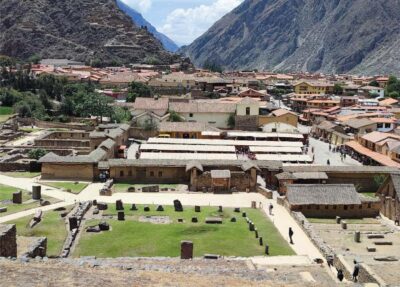
2-Day Trip to the Sacred Valley and Machu Picchu
Read our review →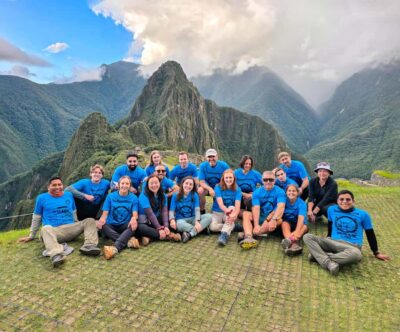
Machu Picchu 2-Day Inca Trail with Panoramic Train
Read our review →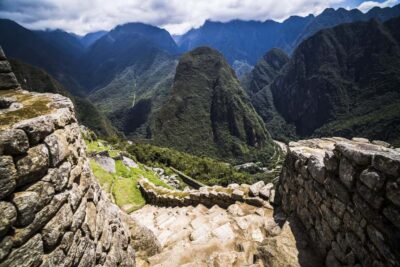
Browse the lists this tour appears in