
Reviewed · CUSCO
San Pedro Wachuma Ceremony in Cusco – Espiritual Tour
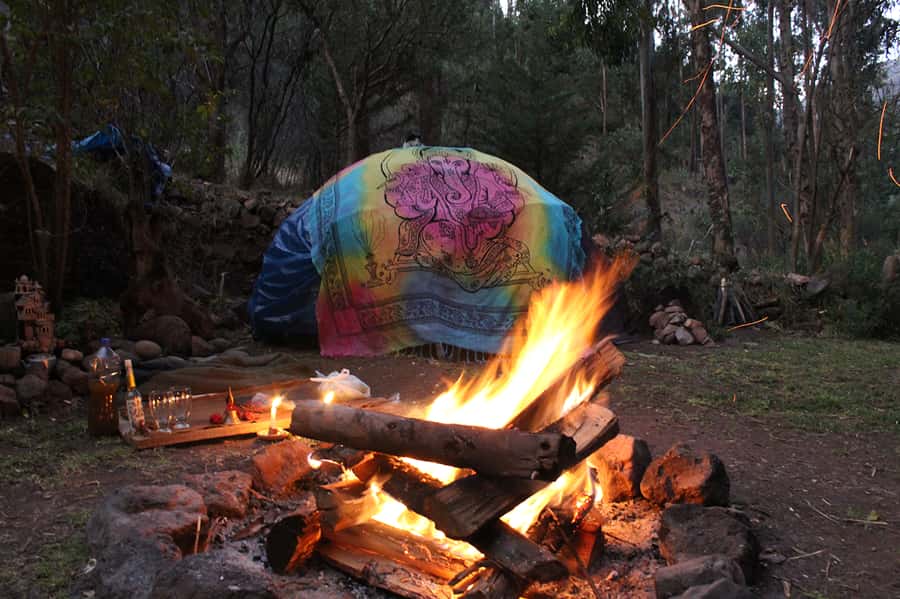
The most striking part of this experience is its setting: a small family home in the forest near Taray, far from the busy tourist routes. You spend the evening outdoors with a large fire, traditional music, meditation, and San Pedro Wachuma, then sleep at the family home and share breakfast the next morning.
I like the private family setting and the care taken with simple comforts. Juan provides blankets and a place to lie down during the ceremony, while his wife prepares breakfast. I also like the chance to stay overnight instead of rushing back to Cusco after midnight.
The main consideration is that this is an intense, overnight spiritual experience, not a sightseeing tour. The ceremony uses mescaline-containing Wachuma, and the setting is basic and close to nature. You should also note the activity is not suitable for young children, wheelchair users, people with recent surgeries, people with motion sickness, or those with mobility limitations.
In This Review
- Key points to know before booking
- A forest home in Taray, close to Pisac
- The journey from Cusco begins around 5 p.m.
- Preparing with breakfast and a quiet start
- What happens during the San Pedro ceremony
- Firelight, blankets, and the midnight rhythm
- The overnight stay and morning breakfast
- What the $385 price includes
- Who will appreciate this experience
- Languages, communication, and practical planning
- The strongest parts of the experience
- Should you book the San Pedro ceremony in Taray?
- FAQ
- Where does the San Pedro Wachuma ceremony take place?
- What time does the experience begin and end?
- Is transportation from Cusco included?
- Is accommodation included?
- What languages are available?
- Is the ceremony suitable for children or wheelchair users?
- What should I bring?
Key points to know before booking
- San Pedro by a fire until midnight: The ceremony takes place outdoors, with a large fire used for warmth, reflection, and meditation.
- A family home near Pisac: Juan, his wife, their daughter, and their cat welcome you to Killary ILLari in Taray.
- Overnight stay included: You do not need to arrange a late-night return to Cusco after the ceremony.
- Traditional and energetic practices: Expect ancestral music, meditation, and cleansing work connected with earth, fire, air, and water.
- Private group format: The experience is arranged for your own private group, with English, Spanish, or Quechua available.
- Allow more than the advertised 12 hours: The schedule starts around 5 p.m. and returns to Cusco at about 10 a.m. the next day.
A forest home in Taray, close to Pisac
Killary ILLari is a small reception home in Taray, a village in the Sacred Valley of the Incas. It sits at about 2,900 meters, or 9,514 feet, above sea level, around 40 minutes from Cusco and only about five minutes from Pisac.
That location matters. You are not attending the ceremony in a city hotel or a large retreat center. You are staying in a family home in a natural setting, with the evening shaped by trees, darkness, firelight, and mountain air. The quieter setting supports the purpose of the experience, though it also means you should expect a simple place rather than polished resort facilities.
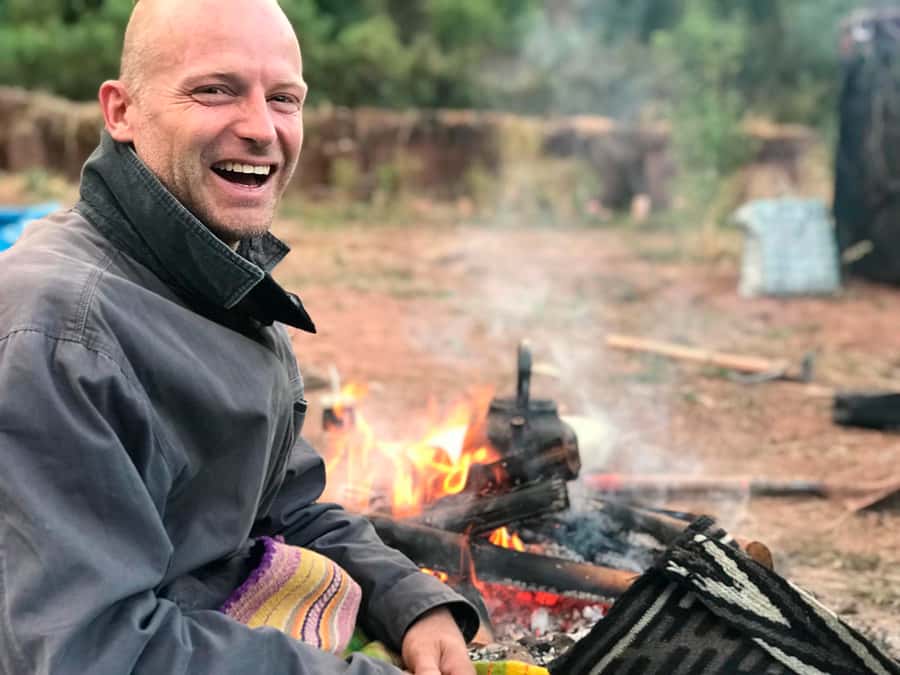
Juan and his family live here, and that personal touch shapes the whole visit. His daughter and cat are part of the household. You are welcomed into their home, not processed through a large commercial operation. For some people, that family atmosphere will be the most meaningful part of the day. For others, it may feel more intimate than expected.
The house provides basic overnight accommodation. You also receive blankets and a comfortable place to lie down during the ceremony. Since temperatures can fall after sunset in the Sacred Valley, warm clothing is not optional. Bring layers, a jacket, and comfortable clothes you can wear while sitting or resting outdoors.
More Andean ceremonies near Cusco:
- Excursion to Ausangate & 7 lakes with Coca Ceremony |Private|
★ 5.0 · 80 reviews - Machu Picchu Mystical Tour Cusco – Peru
★ 5.0 · 47 reviews - Ayahuasca Ceremony 1 Day in Cusco
★ 5.0 · 8 reviews
The journey from Cusco begins around 5 p.m.
Pickup is available from Plaza de Armas or Plazoleta de San Blas. Hotel pickup and drop-off are included, but you must send the provider your hotel name and address so the departure can be arranged.
The planned departure is around 5 p.m. from Cusco. Private transportation takes you toward Taray in the Sacred Valley, with the drive listed at roughly 40 to 45 minutes. That private transfer is useful here. You do not need to arrange a taxi late at night, and you can travel directly with your own group.
Pickup times in Cusco can sometimes be loose, but Juan’s arrangements have been praised for being organized. One visitor found the driver waiting ahead of time and also ready the next morning. I would still keep your afternoon free and confirm the exact pickup details through WhatsApp before the day of the ceremony.
The advertised duration is 12 hours, but the practical schedule is longer. You leave around 5 p.m., stay overnight, eat breakfast, and return to Cusco at about 10 a.m. the following day. Think of this as an overnight experience rather than a standard half-day activity.
Preparing with breakfast and a quiet start
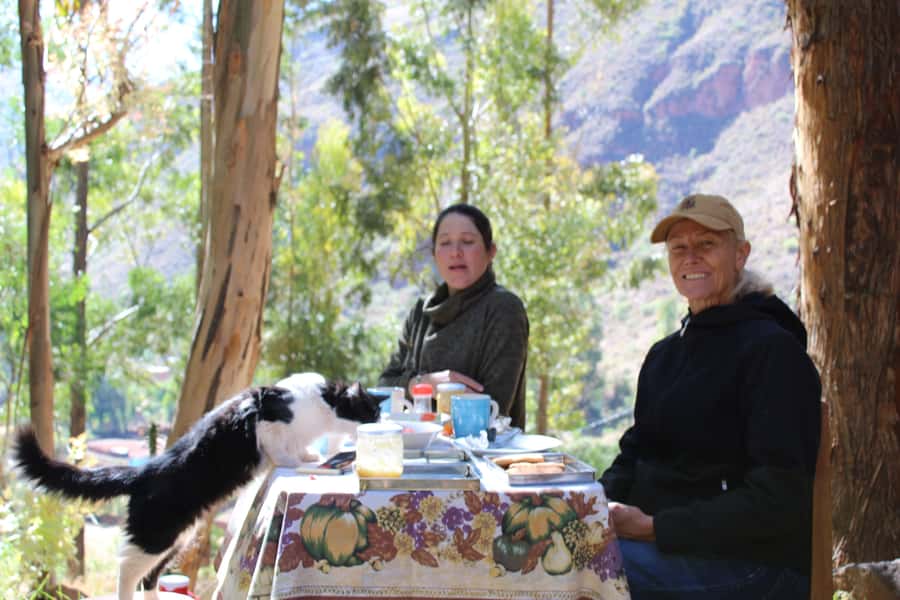
The schedule includes breakfast and overnight accommodation at the Taray home. The supplied timing is a little unclear about when breakfast happens, but the next morning includes a natural breakfast prepared by Juan and his wife before the return to Cusco.
That meal is more than a convenient add-on. After a long night outdoors, a warm, natural breakfast gives the experience a gentle ending. It also lets you spend time with the family in a normal household setting rather than ending the ceremony and immediately entering a vehicle.
Bring your own snacks and drinks as advised. Water is especially practical. The ceremony includes the Wachuma drink, but the information provided does not describe a full meal plan beyond breakfast. Cash is also listed among the items to bring.
What happens during the San Pedro ceremony
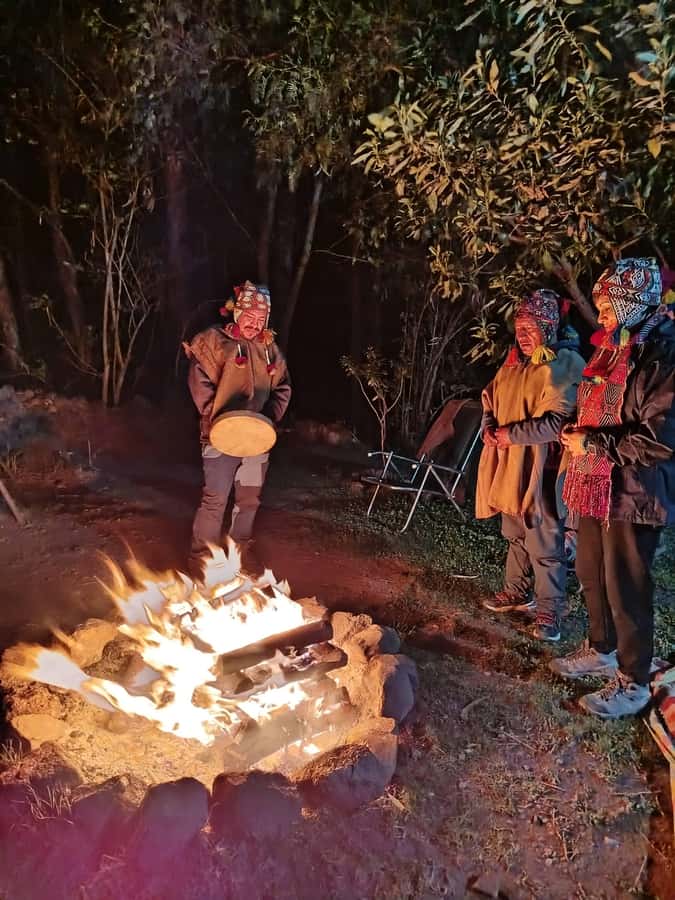
The central experience is the San Pedro Wachuma ceremony. Wachuma is described here as a medicine containing mescaline, and the ceremony is intended to support connection with yourself, nature, healing, liberation, emotional awareness, and personal transmutation.
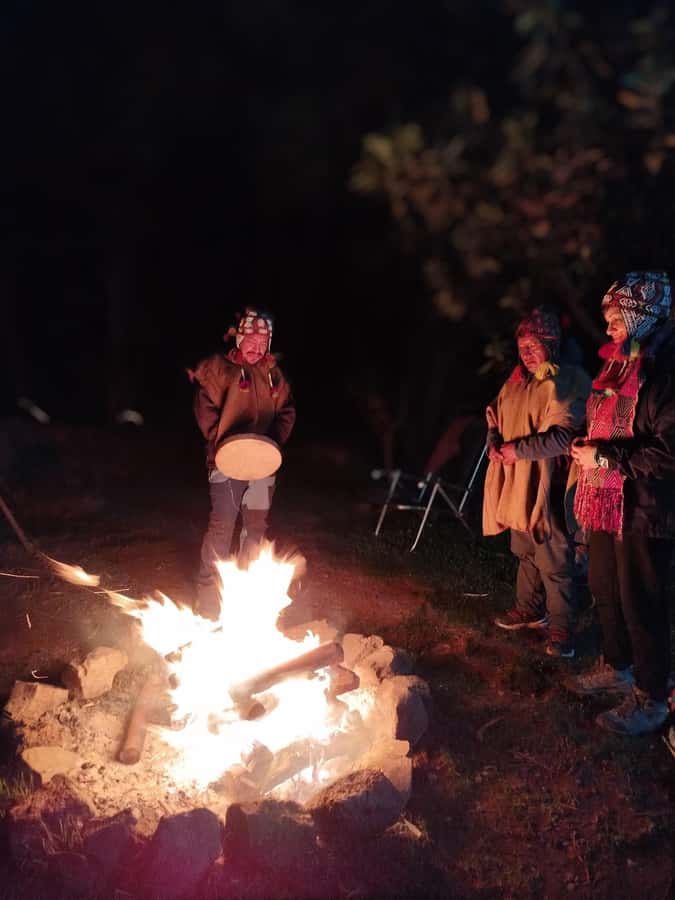
The ceremony takes place at night in the middle of nature. A large fire burns through the evening, normally until midnight. Fire provides warmth and light, but it also gives the group a shared focus. You can sit near it, meditate, listen to the music, or rest under the blankets provided.
Juan leads the work through shamanic techniques, energetic practices, and attention to feelings. The program includes energetic cleansing connected with earth, fire, air, and water. These elements give the ceremony a clear structure, especially if you have never taken part in a traditional Andean spiritual practice.
Ancestral music with traditional instruments and guided meditation are also included. The aim is not entertainment. You are there to pay attention, reflect, and take part at your own pace within the ceremony. The private group format can make this easier than a large group setting, but it also means the experience feels personal and direct.
A sauna ceremony is also described as part of the experience by one person who attended. Since the main details specifically promise cleansing work, music, meditation, and fire, I would confirm the exact sauna arrangements with Juan before booking if this element matters to you.
Same base, a completely different day in the Andes:
- Cusco: Humantay Lake Tour with Breakfast and Buffet Lunch
★ 4.9 · 2,976 reviews - From Cusco: Sacred Valley & Maras Salt Mines Tour with Lunch
★ 4.8 · 2,227 reviews - From Cusco: Moray, Maras Salt Mines & Chinchero Weavers Tour
★ 4.8 · 1,925 reviews - From Cusco: Full-Day Group Tour of Machu Picchu
★ 4.7 · 1,767 reviews
Firelight, blankets, and the midnight rhythm
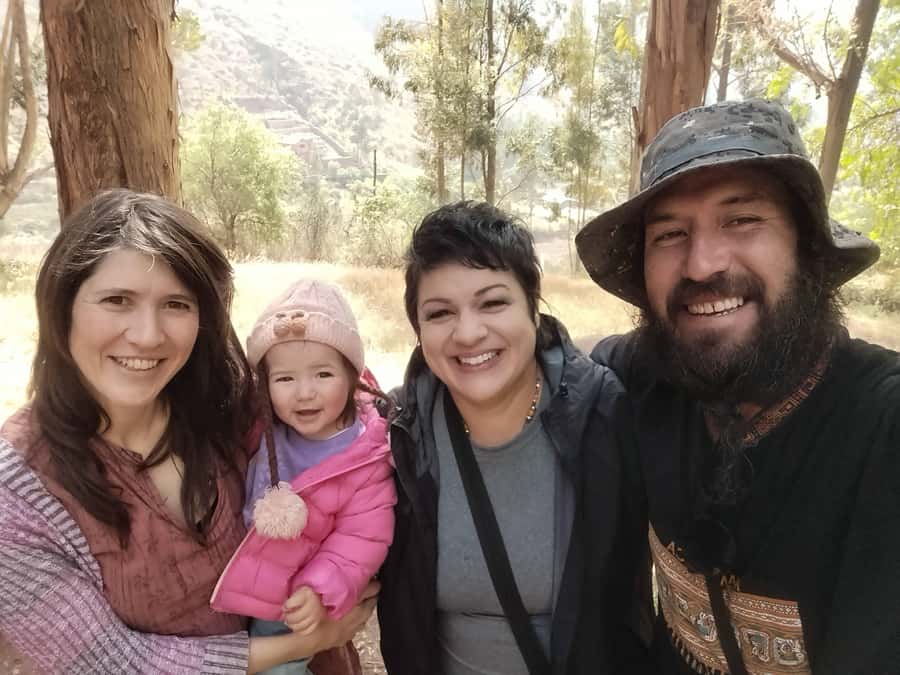
The fire is the physical center of the evening. It allows the ceremony to continue outdoors while temperatures drop, and it creates a place to gather, relax, talk, or watch the night sky. One person especially valued the combination of fire, stars, conversation, and laughter.
You should not expect a tightly timed performance with constant activities. The evening may include periods of quiet, meditation, music, rest, and personal reflection. That open rhythm is part of the appeal, but people who want a packed schedule may find it slow.
The ceremony normally continues until midnight. After that, you can decide whether to remain together by the fire or go to bed. Your overnight room is important because it removes the pressure to travel while tired. It also gives you a warm, private place to rest after spending many hours outside.
The provider supplies many blankets and a comfortable place to lie down, but you should still pack for cool highland weather. Comfortable shoes matter because the setting is in nature rather than on a smooth urban floor.
The overnight stay and morning breakfast
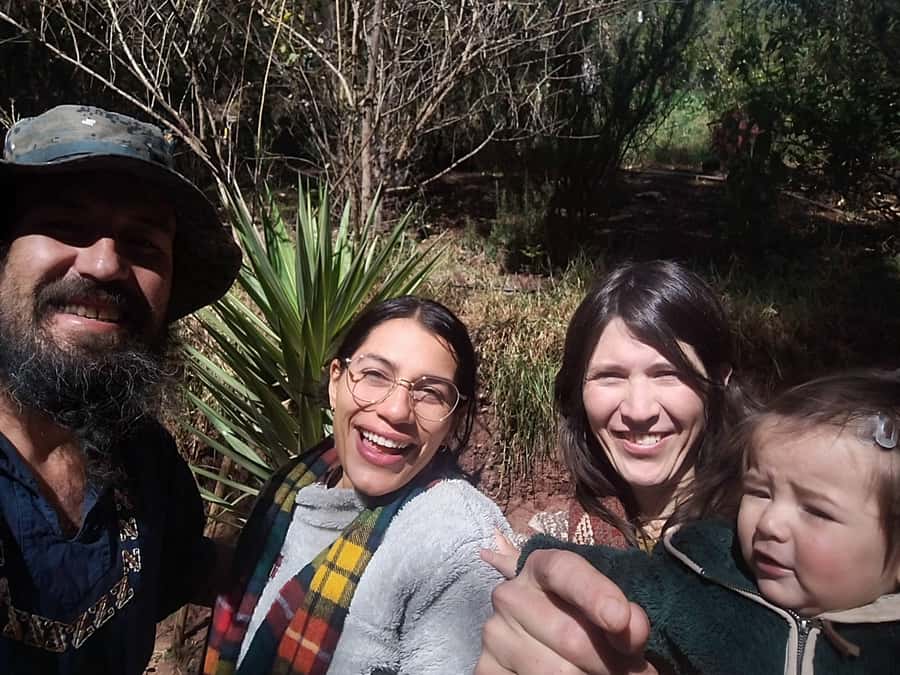
After the ceremony, you stay for one night at Killary ILLari Home. The accommodation is basic, and the information does not describe hotel-style facilities, private bathrooms, or room categories. If you need a specific level of comfort, ask before paying.
The overnight arrangement is one of the strongest practical features of the experience. A ceremony that finishes around midnight would make a same-night drive back to Cusco tiring and inconvenient. Sleeping at the family home gives the evening a natural close.
The next morning, Juan and his wife prepare a natural breakfast. This is also a chance to return to ordinary conversation and spend time with the household before the ride back. The schedule places the return to Cusco at approximately 10 a.m.
The morning transfer drops you at Plazoleta de San Blas or Plaza de Armas. Those central locations make it easy to continue with your Cusco plans, though you should avoid booking an important morning activity too soon after the stated arrival time.
What the $385 price includes
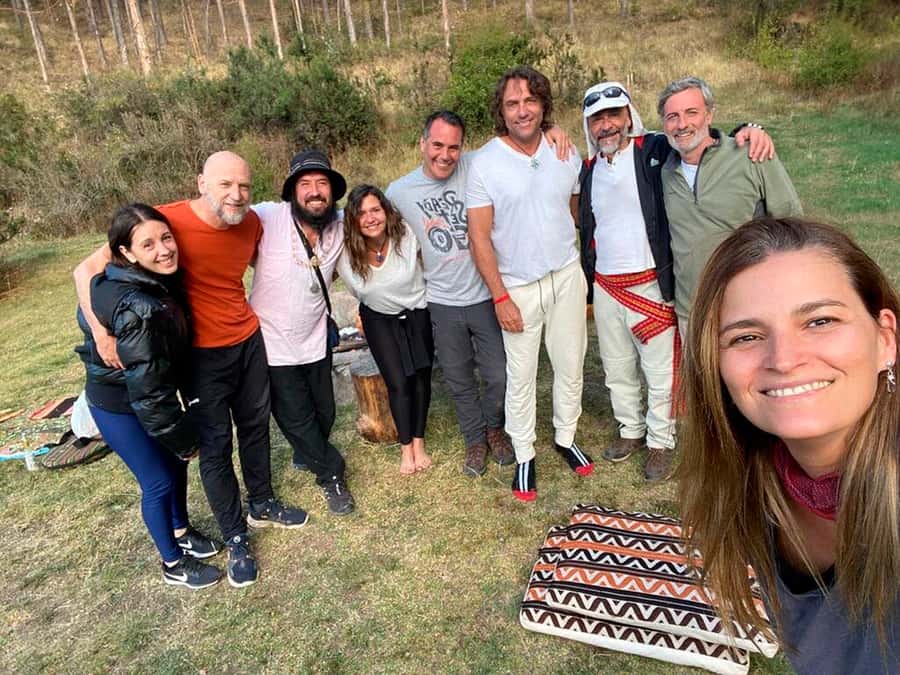
The price is $385 per person. That is a serious cost, so you should compare it with what is actually included rather than judging it as a simple day trip.
Your price covers private transportation from Cusco to the Sacred Valley and back, hotel pickup and drop-off, the San Pedro Wachuma ceremony, the Wachuma drink, energetic cleansing, traditional music, meditation, one night of basic accommodation, and breakfast.
You are paying for an unusual combination: a private spiritual ceremony, direct access to a family setting, overnight lodging, transport, and morning food. If you were arranging transport, accommodation, a private guide, and a ceremony separately, the package could offer fair value.
The value depends heavily on what you want. If your main goal is to see Pisac or the Sacred Valley, this is not the efficient choice. You spend the night on a spiritual program rather than touring archaeological sites or markets. If your goal is a personal ceremony in a natural setting with no late-night transport problem, the price becomes easier to justify.
The small private-group format also matters. You are not paying for a large group excursion with a fixed crowd. You receive a more personal setting with Juan and his family, though the exact private-group size is not specified.
Who will appreciate this experience
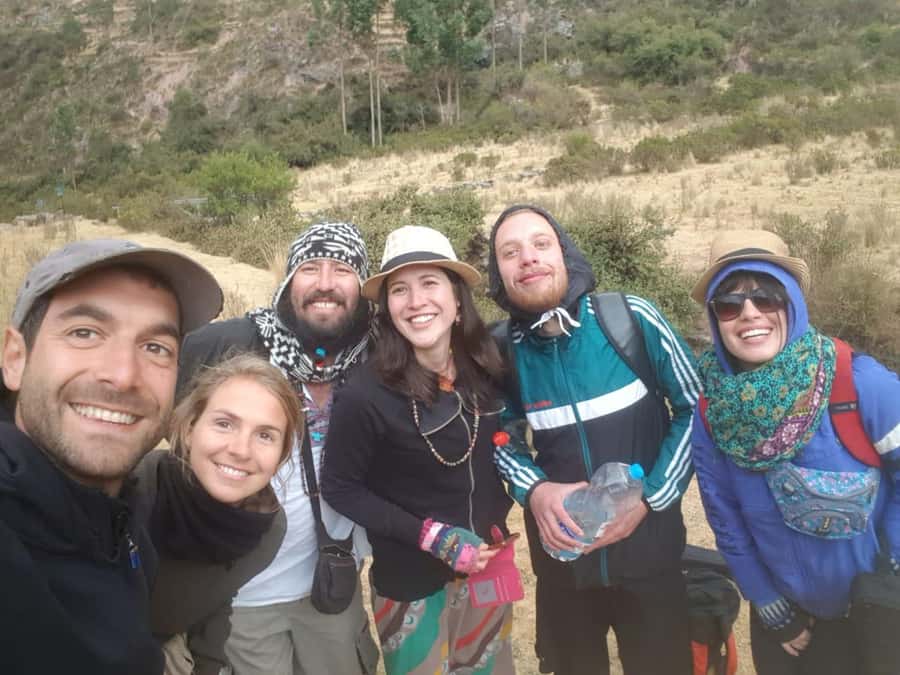
I would consider this for an adult seeking a quiet, personal ceremony in the Sacred Valley, especially someone interested in Andean spiritual traditions, meditation, nature, and reflective time away from city life.
It may also suit you if you value human contact over formal facilities. Juan’s family home, the shared fire, traditional music, and breakfast create a more personal experience than a standard packaged activity.
You should think carefully before booking if you are uncomfortable with psychoactive medicine, overnight stays in a basic home, outdoor nighttime conditions, or activities centered on emotional and energetic work. The provider specifically lists claustrophobia, recent surgery, motion sickness, mobility impairments, and wheelchair use as reasons the experience may not be suitable.
Children under 10 are not accepted. The information does not state other age restrictions, so ask about suitability for older children or teenagers before booking.
Languages, communication, and practical planning
The experience is offered in English, Spanish, and Quechua. Juan is the named host, and direct WhatsApp contact is useful for questions. Someone booking for the first time may have many practical concerns, so confirm the pickup time, hotel details, accommodation arrangements, and the exact ceremony program in advance.
Pack light but prepare well:
- Comfortable shoes
- Warm layers and a jacket
- Comfortable clothes
- Water, drinks, and snacks
- A camera, if you want one
- Cash
A camera can record the setting, but the ceremony is the priority. Ask before taking photographs during personal or ritual moments. Respect for the family home and the ceremony should guide how you use your phone.
The activity offers free cancellation up to 24 hours before the start for a full refund. It also allows you to reserve now and pay later, which gives you some flexibility while arranging a Cusco itinerary.
The strongest parts of the experience
The best feature is the combination of personal care and simple surroundings. Juan is not presented as a distant guide who appears only for the ritual. He welcomes you into a family home, provides blankets, helps you settle in, and remains involved through the night.
The second strength is the overnight plan. You can stay with the experience instead of breaking the mood with a midnight drive. The morning breakfast, prepared by Juan and his wife, adds warmth and a clear closing point.
The fire also gives the evening a memorable shape. Sitting outdoors until midnight, listening to traditional instruments, watching the stars, and having time for conversation can feel very different from the usual Cusco tour schedule.
The tradeoff is equally clear. This is not a luxury retreat, a sightseeing circuit, or a short cultural demonstration. It asks you to spend a full night with a powerful plant medicine in a simple natural setting. That will appeal to some people and be entirely wrong for others.
Should you book the San Pedro ceremony in Taray?
Book this experience if you want a private, family-run San Pedro ceremony with a fire, overnight stay, traditional music, meditation, and time for personal reflection. The setting near Taray and the direct care from Juan and his family give it a distinctly local feel.
Skip it if you are mainly looking for Sacred Valley sightseeing, comfortable hotel facilities, or a predictable daytime tour. Also skip it if the listed health and mobility restrictions apply to you, or if you are not fully comfortable with a mescaline-containing ceremony.
Before booking, message Juan on WhatsApp, confirm the pickup time, ask about the overnight room and sauna element, and make sure the longer overnight schedule fits your plans. At $385, this is a specialized experience. For the right person, the private setting, fire ceremony, family welcome, and safe return the next morning can make it worthwhile.
FAQ
Where does the San Pedro Wachuma ceremony take place?
It takes place at Killary ILLari Home in Taray, a small town in the Sacred Valley of the Incas. The home is about 40 minutes from Cusco and about five minutes from Pisac, at roughly 2,900 meters above sea level.
What time does the experience begin and end?
The planned departure from Cusco is around 5 p.m. The ceremony normally continues until midnight, followed by an overnight stay and breakfast. Return to Cusco is scheduled for approximately 10 a.m. the next day.
Is transportation from Cusco included?
Yes. Hotel pickup and drop-off, along with private transportation between Cusco and the Sacred Valley, are included. You must provide your hotel name and address to arrange pickup.
Is accommodation included?
Yes. One night of basic accommodation at Killary ILLary Home is included. Blankets and a comfortable place to lie down during the ceremony are also provided.
What languages are available?
The live guide service is available in English, Spanish, and Quechua.
Is the ceremony suitable for children or wheelchair users?
Children under 10 are not suitable for this activity. It is also not suitable for wheelchair users or people with mobility impairments, claustrophobia, recent surgeries, or motion sickness.
What should I bring?
Bring comfortable shoes, warm clothing, a jacket, comfortable clothes, water, drinks, snacks, a camera if desired, and cash. Temperatures can drop at night, so warm layers are particularly important.
Just added around Cusco
- Cusco: Via Ferrata, Skybike, and Rappel Adventure★ 5.0 · 3 reviews
- From Cusco: Maras and Moray and Ollantaytambo Tour★ 5.0 · 3 reviews
- Cusco: Rainbow Mountain Tour at Sunset Without the Crowds★ 4.7 · 3 reviews
- Cusco: Sacred Valley Day Trip with Maras & Moray Salt Mines★ 5.0 · 3 reviews
- Valle Sur Cusco | half day★ 4.3 · 3 reviews
- IN MACHU PICCHU: Private Tour Guide Service★ 5.0 · 3 reviews
- Salkantay trek to Machu Picchu – 5D/4N – Premium★ 3.3 · 3 reviews
- Full-Day Condor Viewpoint & Inca Sites Tour★ 5.0 · 3 reviews