
Reviewed · CUSCO
Ayahuasca Ceremony 1 Day in Cusco
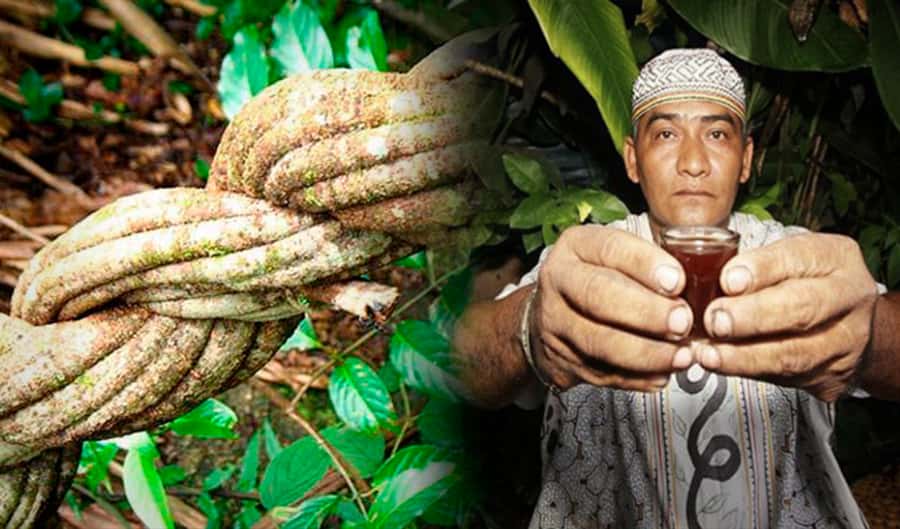
The most important detail comes first: despite the title, this is not an ayahuasca ceremony as most people understand it. The experience centers on San Pedro, also called Wachuma, a cactus containing mescaline. You travel from Cusco to Pisac for a fire ceremony, cleansing with black tobacco and flower water, guided meditation, music, and a night in rustic lodging.
I like the short transfer from Cusco and the fact that Maestro Luis and his wife lead a small, personal experience rather than a large retreat. I also like that transport, the drink, ceremony, breakfast, lodging, and energy work are bundled together. The main caution is serious: this is a psychoactive ceremony, and the information provided says it is not suitable for people with pre-existing medical conditions, pregnant women, or children under nine. You should also confirm the timing, since the experience is described as seven hours in one place and includes an overnight stay elsewhere.
In This Review
- Key points to know before booking
- First, understand what this Cusco ceremony really is
- From Cusco to Pisac in about 15 minutes
- Opening the sacred space with fire and cleansing
- What the Wachuma experience may feel like
- Ancestral music and guided meditation
- Pisac, rustic lodging, and the overnight plan
- How to prepare for the ceremony
- Who will get the most from this experience
- Is $380 a fair price for one person?
- My practical verdict
- FAQ
- Is this an ayahuasca ceremony?
- How long does the ceremony last?
- Where does the ceremony take place?
- Is transportation included?
- What does the ceremony include?
- Is an overnight stay included?
- What should I eat before the ceremony?
- Who should not take this activity?
Key points to know before booking
- San Pedro, not ayahuasca: The ceremony uses Wachuma, a mescaline-bearing cactus, with effects described as relaxed and gradual rather than a loss of consciousness.
- A short ride from Cusco: Pickup is available from central neighborhoods, the airport, and other listed points, with transport to Pisac.
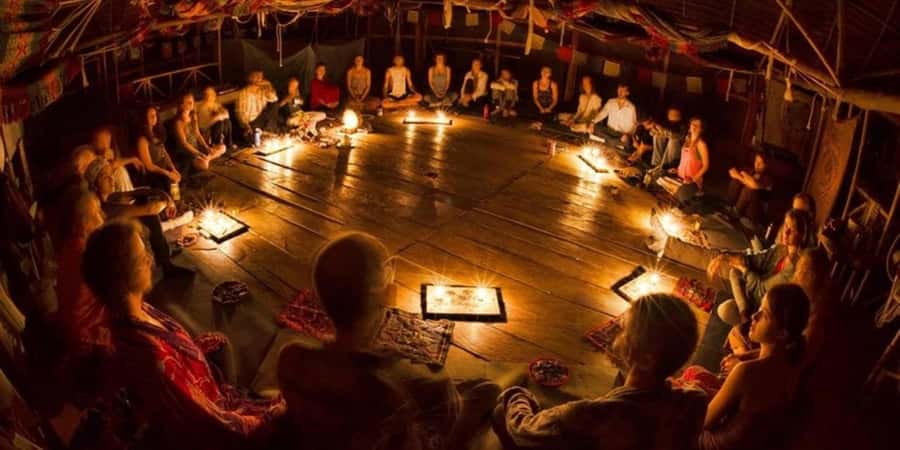
- Fire, tobacco, and flower-water cleansing: The opening ritual links the four natural elements with meditation and personal reflection.
- Maestro Luis leads the ceremony: English and Spanish support is available, and his wife also takes part in the experience.
- Overnight lodging is included: You receive rustic accommodation and a natural breakfast, but you should bring warm clothes, socks, and a sleeping bag.
- Plan for a light diet: The guidance recommends avoiding meat, alcohol, strong drinks, and other substances before the ceremony, with fruit and water suggested afterward.
First, understand what this Cusco ceremony really is
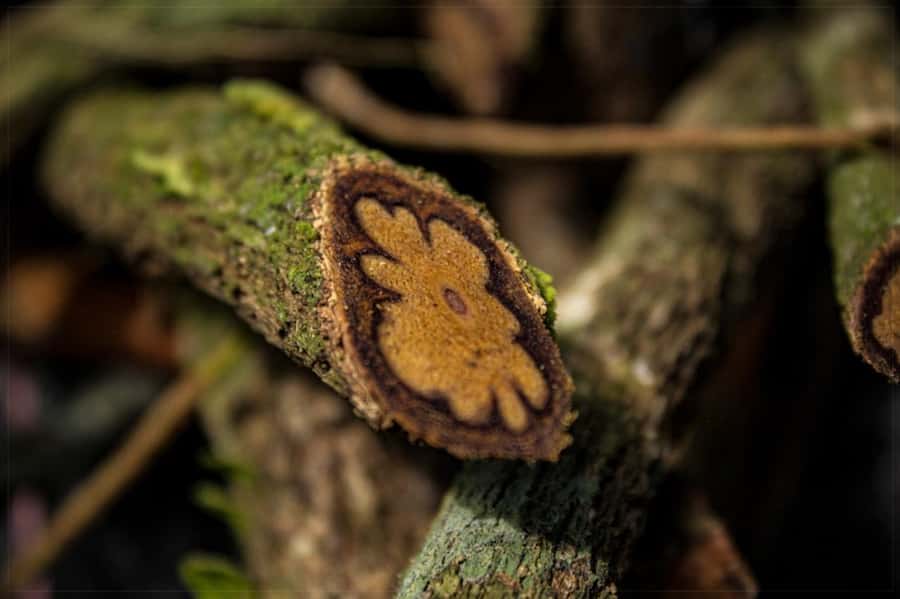
The name can cause confusion. The experience is marketed with the word ayahuasca, but the detailed program describes San Pedro Wachuma, also called Wachuma or the San Pedro cactus. Ayahuasca is a different plant preparation, so you should not book this expecting an ayahuasca brew or an ayahuasca-style ceremony.
Wachuma contains mescaline, a psychoactive compound. The ceremony description presents its effects as subtle at first, with changes in the way you perceive air and your surroundings. It says you remain conscious throughout, while the relaxing and altered effects may continue for five to seven hours, possibly until midnight.
That does not mean the experience is mild for everyone. Psychoactive plants affect people differently. The material provided does not give medical screening details, dosage information, or emergency procedures, so you should ask the provider direct questions before paying. If you have a medical condition, take medication, or have concerns about mental or physical health, get professional medical advice and ask whether this activity is appropriate.
The purpose is framed around three simple ideas: connect, heal, and release. In practical terms, that means sitting in a natural setting, using ritual and music to focus your attention, and taking time away from ordinary routines. The ceremony may appeal to you if you are seeking a spiritual experience, but it is not a sightseeing stop or a casual night out.
More Andean ceremonies near Cusco:
- Excursion to Ausangate & 7 lakes with Coca Ceremony |Private|
★ 5.0 · 80 reviews - Machu Picchu Mystical Tour Cusco – Peru
★ 5.0 · 47 reviews - San Pedro Wachuma Ceremony in Cusco – Espiritual Tour
★ 5.0 · 3 reviews
From Cusco to Pisac in about 15 minutes
Pickup is offered from several Cusco locations, including Plaza de Armas, San Blas, San Pedro Market, Avenida El Sol, Santa Ana, Wanchaq, La Florida, San Sebastian, and Alejandro Velasco Astete Airport. You need to wait in your hotel lobby at the arranged time, ready for collection.
The drive to the ceremony site near Pisac is described as taking about 15 minutes from Cusco. That short transfer is one of the practical strengths of the experience. You do not spend most of your day on a long mountain road, and you can return to one of the listed Cusco drop-off points after the program.
The word remote is used to describe the setting, even though it is close to the city. That combination matters. You get a more natural place for the ritual without committing to a multiday retreat far from Cusco.
Transportation is private and round trip. For a solo booking, the quoted price is $380 per group up to one person. That is a high price for a one-person experience, but it includes transport, the Wachuma preparation, the ceremony, rustic lodging, breakfast, music, meditation, and energetic cleansing. You are paying for a private arrangement and specialist hosting, not just a vehicle ride and a drink.
There is also a group-size note saying that up to 10 participants may attend. Because the price is listed for a group up to one person while the activity can accommodate a small group, confirm the exact format before booking. Ask if your date is private, shared with other people, or priced differently for more than one participant.
Opening the sacred space with fire and cleansing
The ceremony begins with the lighting of a fire. Fire is not just decoration here. It forms the center of the ritual and helps mark the shift from ordinary travel time to a quieter, more focused period.
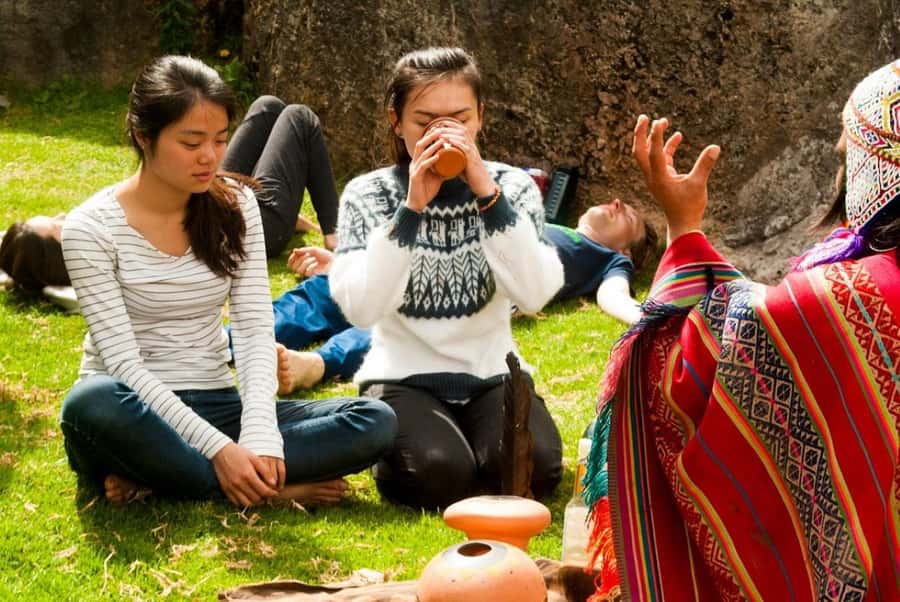
An energetic cleansing follows, using black tobacco and flower water. The stated purpose is to relax the senses and prepare you for the ceremony. You then take part in a short meditation before drinking the Wachuma preparation.
The program also refers to work with the four elements: earth, fire, air, and water. This gives the ritual a clear structure. Instead of simply drinking a plant preparation and waiting for effects, you move through a sequence of cleansing, meditation, ceremony, and music.
The exact method and meaning of each step may depend on Maestro Luis and the setting that night. The information does not specify the amount served, the full ingredients, or how long the opening ritual lasts. I would ask about these points in advance, especially if you want a clear explanation in English or Spanish before taking the drink.
What the Wachuma experience may feel like
The program says the first effects may appear after about one hour. It describes changes in perception, a sense of relaxation, and a shift in your relationship with the surrounding air and natural setting. You may also experience emotional reflection or a feeling of connection with nature.
The stated effect lasts five to seven hours. The description says you do not lose consciousness, but that should not be treated as a guarantee that you will feel fully comfortable or physically steady throughout. You should expect to remain at the ceremony site rather than move around independently.
This is why the included overnight stay is useful. You do not need to make an immediate return journey while the effects are continuing. You can rest at the rustic lodging and have breakfast before returning.
The ceremony presents Wachuma as a way to quiet the constant flow of everyday thoughts. Meditation, music, fire, and the natural setting are all used to support that pause. If you like structured spiritual practices, this approach may feel more meaningful than simply taking a psychoactive substance without guidance.
At the same time, you should keep your expectations modest. No ceremony can promise healing, emotional release, or a particular spiritual result. The language of healing and energy work describes the intention of the experience, not a medical outcome. Treat it as a personal and cultural ritual, not as a replacement for medical or mental health care.
Same base, a completely different day in the Andes:
- Cusco: Humantay Lake Tour with Breakfast and Buffet Lunch
★ 4.9 · 2,976 reviews - From Cusco: Sacred Valley & Maras Salt Mines Tour with Lunch
★ 4.8 · 2,227 reviews - From Cusco: Moray, Maras Salt Mines & Chinchero Weavers Tour
★ 4.8 · 1,925 reviews - From Cusco: Full-Day Group Tour of Machu Picchu
★ 4.7 · 1,767 reviews
Ancestral music and guided meditation
Traditional instruments and guided meditation are part of the main program. Music provides continuity while you rest, reflect, or pay attention to the fire and surroundings.
This is a quiet format rather than a party setting. Alcohol, drugs, smoking, and intoxication are not allowed. Party groups are also excluded. Those rules make sense for a ceremony where people need calm and personal space.
The guides speak English and Spanish. That is useful, but you should still confirm how much of the ceremony will be explained in your preferred language. Ritual terms and spiritual ideas can be hard to follow if the instructions are brief or translated loosely.
The ceremony is described as personal, with Maestro Luis and his wife creating a welcoming atmosphere. Several short comments specifically praise Luis, the ease of the pickup and transfer, and the friendly support provided by the couple. One note describes them as willing to answer questions and help with needs that came up during the experience. That practical care matters more here than polished presentation.
Before drinking, make sure you understand what will happen, what you can do if you feel unwell, where you will sleep, and how to ask for help. A good guide should welcome those questions.
Pisac, rustic lodging, and the overnight plan
Pisac is listed as the main destination and ceremony location. The program includes a guided visit, a walk, sunrise, and an overnight stay. Those details are grouped under a 10-hour itinerary, while the activity description gives a duration of seven hours.
That timing needs clarification. It may mean the ceremony itself lasts about seven hours while the wider transfer and overnight program takes longer. It may also reflect a sunrise departure or a late return. Ask for the actual pickup time, ceremony start time, sleeping arrangements, breakfast time, and return time before you book.
Rustic lodging can be a real benefit after a long ceremony, especially since the effects may continue into the night. It may also mean simple facilities rather than a hotel room with full comforts. The description does not specify private rooms, bathrooms, bedding, heating, or the exact type of accommodation, so pack for basic conditions.
Bring a sleeping bag, warm clothes, gloves, socks, a scarf, and a change of clothes. Cusco nights can feel cold, and the experience takes place outside the city in a natural setting. You should not rely on the accommodation to provide every item you need.
The natural breakfast is included. After the ceremony, fruit and water are recommended before returning to your lodging. Water itself is not included, so bring enough for the trip and overnight stay.
How to prepare for the ceremony
The suggested preparation starts at least one day before the ceremony. The guidance recommends avoiding meat and, if possible, skipping dinner the night before. Fruit, water, and unsweetened tea are suggested instead.
A three-day light diet is described as preferable for digestion and reception of the drink. You are also advised to avoid alcohol, strong drinks, and other substances, and to rest rather than arrive physically tired.
These instructions are practical, but they are not a substitute for medical advice. If fasting or changing your diet could affect your health, ask a qualified medical professional first. Also tell the provider about relevant medication or health concerns before the ceremony.
Pack a small daypack with water, warm layers, a sleeping bag, comfortable clothing, and a change of clothes. Cash is listed among the suggested items. A camera is allowed as a suggested item, but ask when photography is appropriate. Rituals and other people’s private moments deserve respect.
Do not bring weapons, sharp objects, alcohol, drugs, fireworks, explosives, or smoking materials for use during the activity. Smoking is prohibited in the vehicle and indoors. Pets are not allowed, although assistance dogs are permitted.
Who will get the most from this experience
This ceremony is best for an adult who has already thought carefully about why they want a San Pedro experience. You should be comfortable with a psychoactive ritual, a simple overnight stay, guided meditation, and a setting where the focus is reflection rather than entertainment.
It may suit you if you want:
- A short trip from Cusco rather than a distant retreat
- A ceremony led by a named shaman, Maestro Luis
- A small setting with English or Spanish support
- Ritual elements such as fire, black tobacco, flower water, and music
- Transport and lodging arranged in one package
- Time to rest instead of returning to Cusco immediately after drinking Wachuma
It is not a good choice for children under nine, pregnant women, or people with pre-existing medical conditions, according to the stated restrictions. It is also unsuitable if you want a standard tourist excursion, dislike uncertainty, or expect a guaranteed healing result.
The no-alcohol and no-intoxication rules should be taken seriously. This is not an activity to combine with nightlife in Cusco. Give yourself time to rest before and after it.
Is $380 a fair price for one person?
At $380, this is not a budget activity. The value depends on what you would otherwise need to arrange yourself.
The price includes private round-trip transportation from Cusco to Pisac, the San Pedro Wachuma ceremony, the drink, one night of rustic lodging, a natural breakfast, energetic cleansing, traditional music, and meditation. For someone who wants a fully arranged experience with no need to find transport or accommodation, that package has real convenience.
The price is harder to justify if you expected a short seven-hour activity and do not value the overnight stay. The duration details also need sorting out before purchase. Ask whether the quoted price is for a truly private booking, since the activity can include up to 10 participants.
The strongest value here is support and simplicity. You get picked up at your hotel, taken to the site, guided through the ceremony, given a place to rest, and returned to a listed Cusco location. The weakest value is the lack of detail about facilities, medical screening, dosage, and exact timing.
Free cancellation up to 24 hours in advance and the reserve-now, pay-later option reduce booking risk. Still, flexible payment does not remove the need to check health and safety details first.
My practical verdict
I would consider this experience if I specifically wanted a San Pedro Wachuma ceremony near Cusco, preferred a small group, and valued an overnight rest after the ritual. The short transfer, named guide, included lodging, and strong praise for the care provided by Maestro Luis and his wife make it more appealing than an anonymous, rushed ceremony.
I would not book it based on the ayahuasca title alone. Confirm that Wachuma is the plant preparation you want, clarify the seven-hour versus 10-hour schedule, ask about the rustic lodging, and discuss health concerns before committing.
Book it if the ritual format, simple setting, and personal guidance match your aims. Skip it if you want a conventional tour, have a relevant medical condition, or feel unsure about taking a mescaline-containing cactus. Certainty about the experience is part of good preparation.
FAQ
Is this an ayahuasca ceremony?
The detailed program describes a San Pedro Wachuma ceremony, not an ayahuasca preparation. Wachuma is a cactus containing mescaline.
How long does the ceremony last?
The activity duration is listed as seven hours. The Wachuma effects are described as lasting five to seven hours, possibly until midnight. Another itinerary detail refers to a 10-hour program with an overnight stay, so confirm the exact schedule before booking.
Where does the ceremony take place?
The ceremony takes place near Pisac in the Cusco Region, in a natural and remote setting described as about 15 minutes from Cusco.
Is transportation included?
Yes. Private round-trip transportation between Cusco and Pisac is included. Pickup and drop-off are available at listed locations including Plaza de Armas, San Blas, San Pedro Market, Avenida El Sol, several Cusco neighborhoods, and the airport.
What does the ceremony include?
It includes the San Pedro Wachuma drink, fire lighting, energetic cleansing with black tobacco and flower water, meditation, traditional ancestral music, and work connected with the four elements of nature.
Is an overnight stay included?
Yes. One night of rustic lodging and a natural breakfast are included. The available information does not specify the room type or facilities, so ask the provider for those details.
What should I eat before the ceremony?
The guidance recommends a light diet beginning at least one day before, avoiding meat, alcohol, strong drinks, and other substances. Fruit, water, and unsweetened tea are suggested, and a three-day light diet is described as preferable.
Who should not take this activity?
It is listed as unsuitable for children under nine, pregnant women, and people with pre-existing medical conditions. Alcohol, drugs, intoxication, smoking, and party groups are not allowed.
Just added around Cusco
- Cusco: Via Ferrata, Skybike, and Rappel Adventure★ 5.0 · 3 reviews
- From Cusco: Maras and Moray and Ollantaytambo Tour★ 5.0 · 3 reviews
- Cusco: Rainbow Mountain Tour at Sunset Without the Crowds★ 4.7 · 3 reviews
- Cusco: Sacred Valley Day Trip with Maras & Moray Salt Mines★ 5.0 · 3 reviews
- Valle Sur Cusco | half day★ 4.3 · 3 reviews
- IN MACHU PICCHU: Private Tour Guide Service★ 5.0 · 3 reviews
- Salkantay trek to Machu Picchu – 5D/4N – Premium★ 3.3 · 3 reviews
- Guide in Machu Picchu★ 5.0 · 3 reviews