
Reviewed · PLANETARIUM AND STARGAZING
Planetarium Cusco OFFICIAL SITE: Andean Astronomy experience
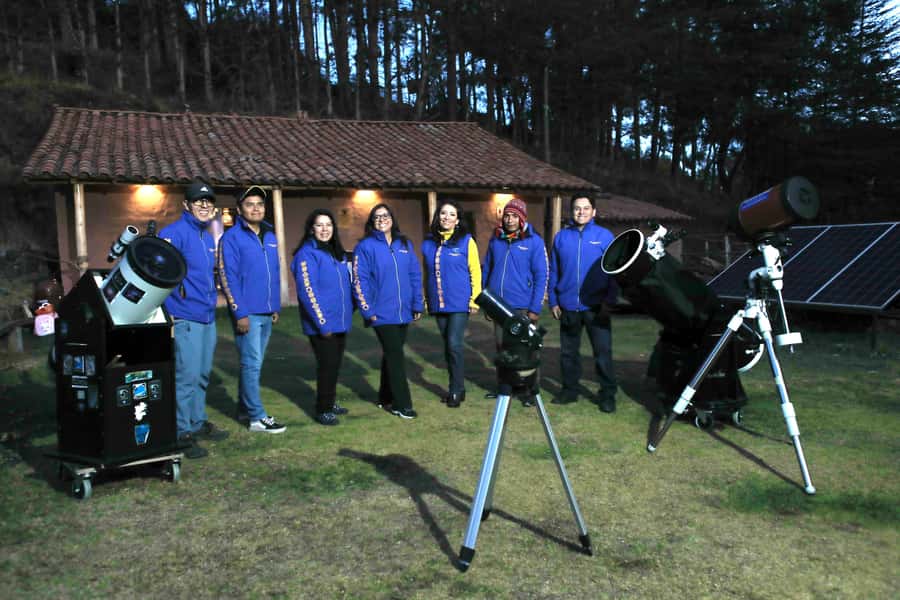
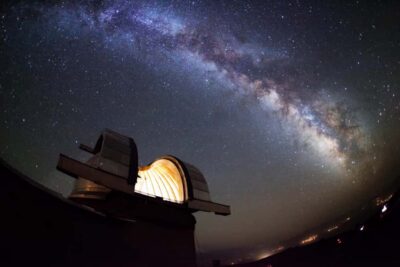
Cusco’s Planetarium turns an ordinary evening into a lesson in how the Inca world understood the sky. You’ll see the southern heavens projected across a dome, then step outside to look for real stars and planets above the Andes. The best part is the link between Inca astronomy and modern science, not just a screen full of stars.
I like two things right away: the small-group setting and the careful effort to make the subject friendly rather than overly technical. The telescope session can be memorable enough to reveal Saturn’s rings, as one recent visit did, but cloudy weather may end the outdoor viewing before it starts.
In This Review
- Key points to know before you go
- What makes Andean astronomy different
- Meeting at Plaza Regocijo at 17:30
- The interpretation rooms and the Inca worldview
- The 18:40 dome projection of the southern sky
- Telescope viewing after dark
- Group size, language, and the feel of the evening
- Is $28 a fair price?
- Who will enjoy Planetarium Cusco most?
- My practical take on the experience
- Should you book Planetarium Cusco?
- FAQ
- Where do I meet for Planetarium Cusco?
- How long does the experience last?
- Is transportation included?
- Is telescope stargazing guaranteed?
- What languages are available?
- What should I bring?
- Can children join the activity?
Key points to know before you go
- Inca constellations get center stage: The presentation explains the southern sky through the cosmovision of the Inca people.
- A dome projection fills in for clear weather: You still receive a full astronomy presentation when clouds block the real stars.
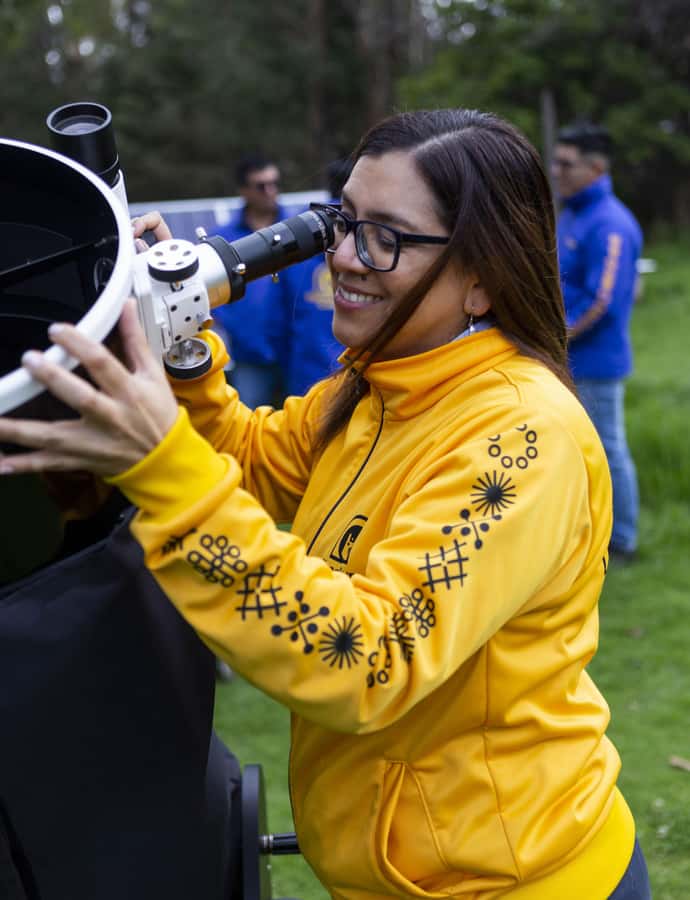
- The telescope session depends on conditions: Stars, planets, and even Saturn may be visible, but no outdoor viewing is guaranteed.
- The evening begins at Regocijo Square: Meet beside the fountain at 17:30, then walk a short distance to transport.
- Warm clothes matter: The high-altitude evening can feel cold, and blankets are available at the planetarium.
- The $28 price covers the main experience: Transport, interpretation, projection, guide service, and telescope viewing are included, but food is not.
What makes Andean astronomy different
Many planetariums begin with Greek constellations and modern astronomy. Planetarium Cusco takes another route, using the southern sky to explain how Andean societies understood time, nature, animals, farming, and the order of the world.
That difference gives the evening its purpose. You are not simply learning where stars sit in the sky. You are hearing how the Inca connected celestial patterns with life on Earth. The experience brings together an introduction to Inca astronomy, a virtual projection, and outdoor stargazing.
I especially like this approach because it gives Cusco’s night sky a cultural setting. The stars are not presented as distant objects only. They are part of a way of seeing the world that shaped Andean society.
The presentation is offered in English and Spanish. Feedback from English-speaking visitors points to clear communication, humor, and a welcoming tone. You should still expect an educational program rather than a formal academic lecture. One person who already knew a great deal about astronomy found it too basic, so this works best if you want cultural context and a lively introduction rather than advanced science.
More Andean stargazing evenings:
- Cusco by Night: Planetarium Cusco, Dinner, and Pisco Sour
★ 5.0 · 75 reviews - Cusco: Planetarium and Night Tour with Dinner and Pisco Sour
★ 4.9 · 9 reviews - Planetarium Cusco Trip
★ 3.8 · 4 reviews
Meeting at Plaza Regocijo at 17:30
Your evening begins in the middle of Plaza Regocijo, next to the fountain. This is very close to Cusco’s main Plaza de Armas, so it is a practical meeting point if you are already in the historic center.
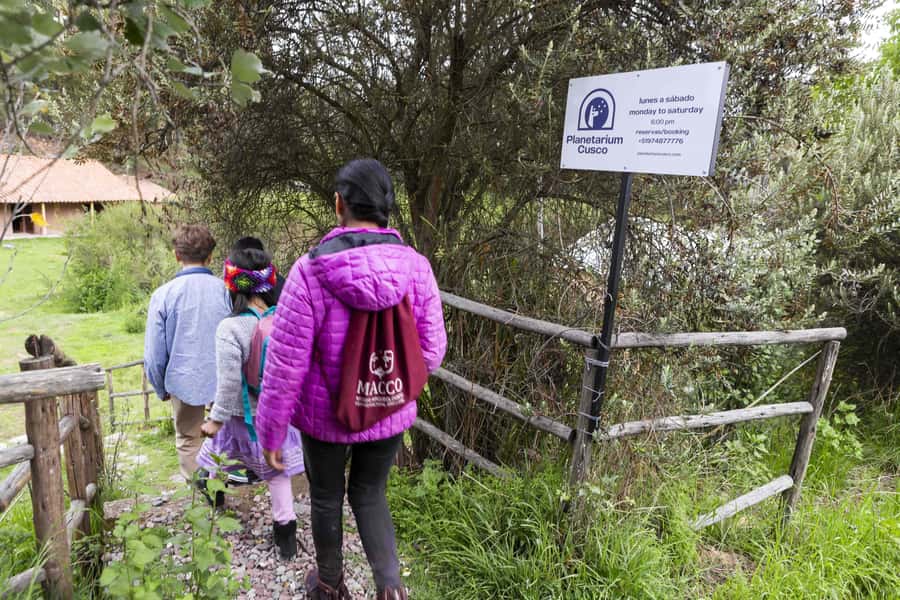
The stated meeting time is 17:30 sharp. Take that seriously. You first walk a short distance to the waiting transport, followed by a 10 to 15 minute ride to Planetarium Cusco. The transfer is included in the price, which is useful because the planetarium is not simply a stop you can fold into a casual walk around the center.
The change from old Cusco streets to the planetarium setting is part of the evening’s rhythm. You leave the city center while daylight fades, then arrive at about 18:05 for the astronomy program.
Keep your plans simple before departure. You do not need to bring food for the activity, and no meal is included. Comfortable shoes are a good idea for the walk and the outdoor portion. Most important, bring warm clothing. A pleasant afternoon in Cusco can turn into a cold night quickly.
The interpretation rooms and the Inca worldview
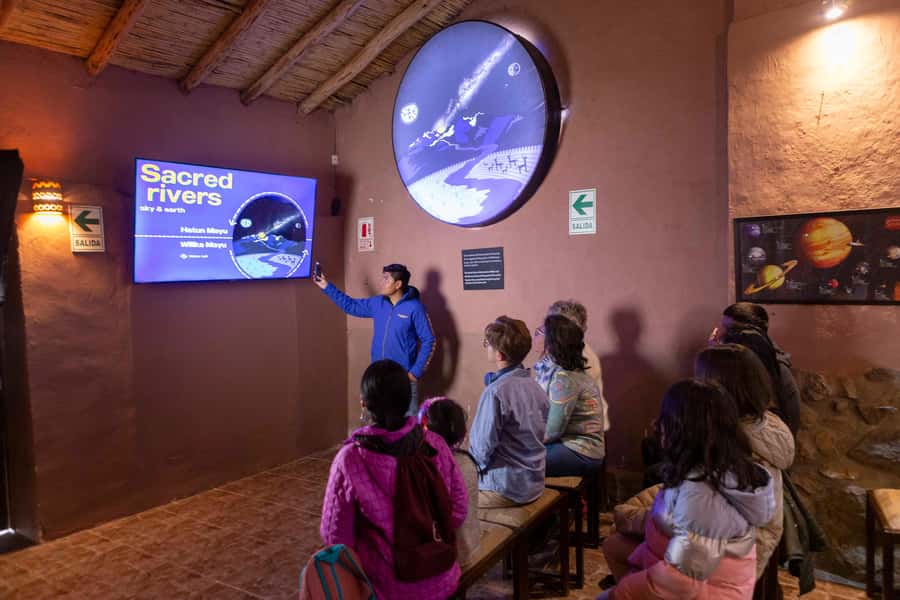
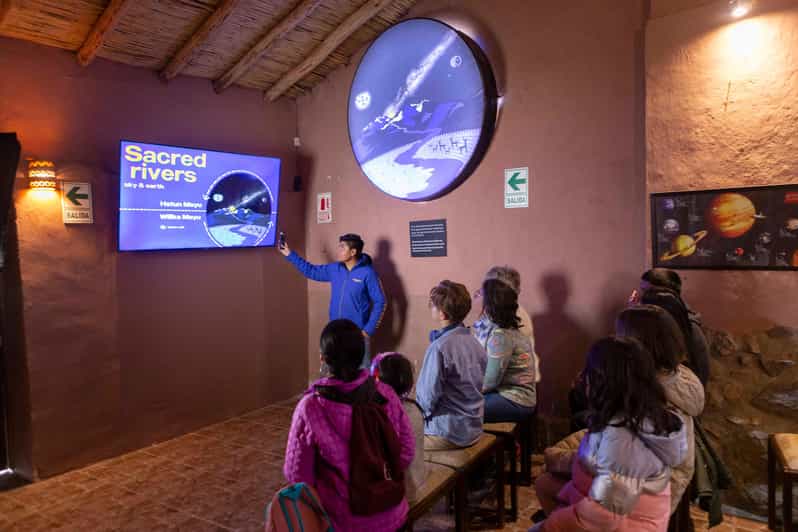
The first section takes place indoors in interpretation rooms. This introduction gives you the basic ideas needed for the dome and telescope sessions that follow.
The value here is context. Without it, the constellation images could feel like a series of attractive pictures. With it, you can pay attention to the way the Inca read the sky and to the meanings attached to celestial forms.
The program focuses on Inka constellations and the southern sky. That matters because the stars visible from the Andes differ from the familiar patterns often taught in northern-hemisphere astronomy. Planetarium Cusco uses this setting to explain a tradition that grew from the local sky rather than simply copying a European star map.
Expect the tone to be warm and approachable. The program has been described as family-like and humorous, with guides who show clear enthusiasm for stars, the universe, and Inca culture. That energy helps if you are tired after a day of sightseeing. It also means the evening should feel more like a guided cultural experience than a silent observatory visit.
Children under seven are not permitted, and unaccompanied minors are not allowed. For older children, the program may work well if they can follow a two-hour presentation and stay comfortable in cool conditions.
The 18:40 dome projection of the southern sky
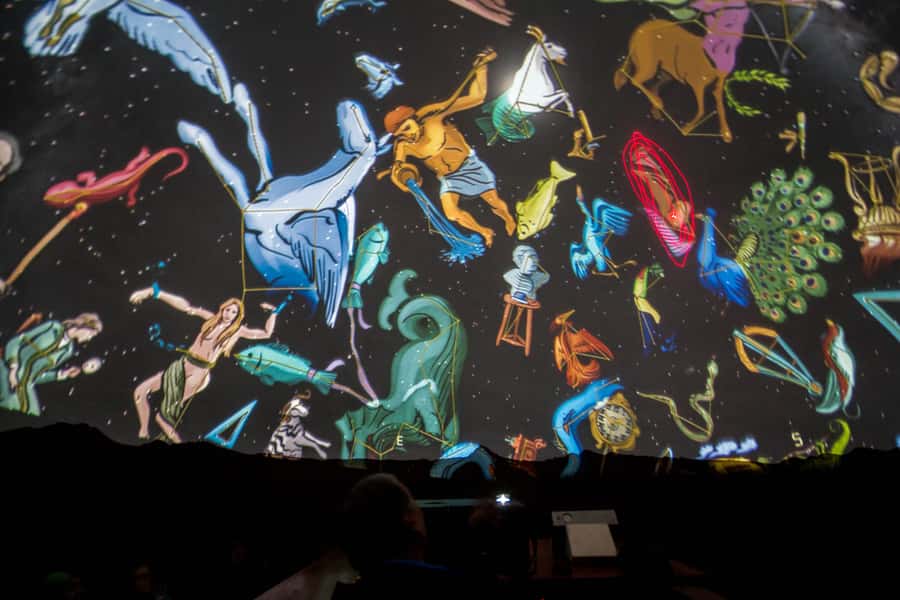
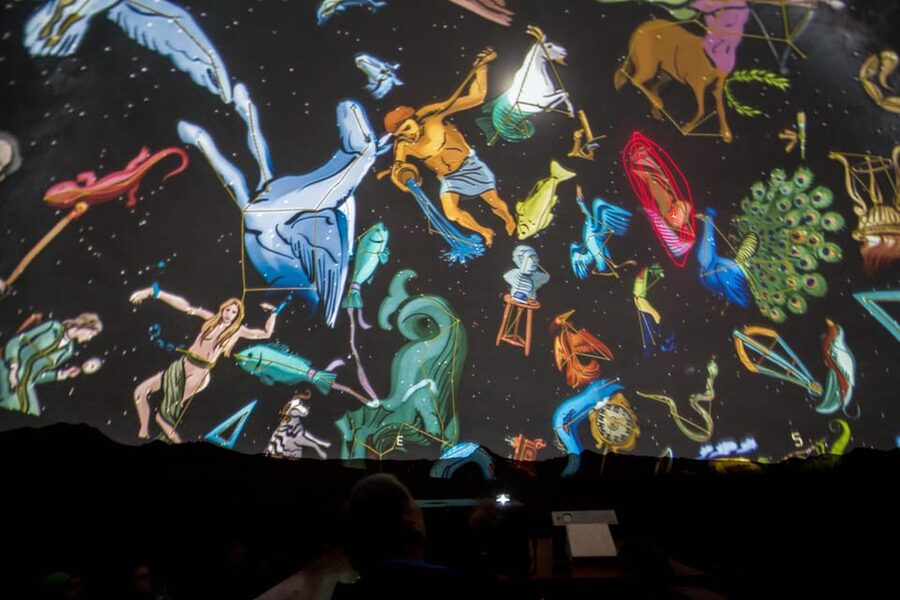
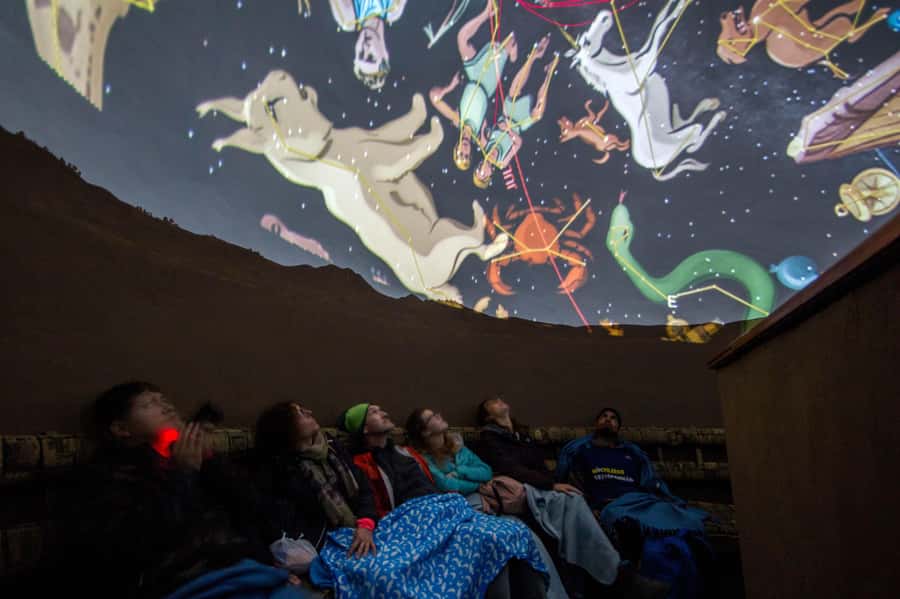
At about 18:40, the program moves into the dome. A virtual projection presents the southern sky and Inka constellations overhead, giving you a clear view even if clouds are moving across the real sky outside.
This is the most dependable part of the evening. Outdoor astronomy always has a weather problem, but the dome provides the central presentation regardless of conditions. One person who lost the real stargazing session to clouds still considered the dome an excellent part of the visit.
The projection also lets the guide control the pace. Instead of waiting for a star to appear or hoping everyone spots the same object, the group can focus on the shapes and stories being explained. Look for the connections between the constellations and Andean ideas about the natural world.
The dome is not the same as seeing the actual sky. If you already have strong astronomy knowledge, the basic explanations may feel slow. I would choose a seat near the entrance if you want access to blankets, as those are available when the room feels cold. That small comfort can make a real difference during a two-hour evening program.
Same base, a completely different day in the Andes:
- Cusco: Humantay Lake Tour with Breakfast and Buffet Lunch
★ 4.9 · 2,976 reviews - From Cusco: Sacred Valley & Maras Salt Mines Tour with Lunch
★ 4.8 · 2,227 reviews - From Cusco: Moray, Maras Salt Mines & Chinchero Weavers Tour
★ 4.8 · 1,925 reviews - From Cusco: Full-Day Group Tour of Machu Picchu
★ 4.7 · 1,767 reviews
Telescope viewing after dark
Once darkness settles in, you go outside for telescope viewing, weather permitting. This is the part most affected by the conditions, so keep your expectations flexible.
Clouds may block the stars completely, or they may open enough for short viewing windows. The staff may adjust the schedule to make the most of those openings. That flexibility is useful, but it cannot guarantee a clear sky.
When the conditions cooperate, the telescope adds a direct connection to the earlier presentation. You move from learning about the southern sky to looking at actual celestial objects above Cusco. Stars and planets can appear, and one particularly fortunate viewing included Saturn’s rings despite a cloudy night.
That possibility makes the outdoor session worth waiting for, but it should be treated as a bonus rather than the whole reason to book. If your main goal is guaranteed telescope time, this activity carries a risk. If you want a guided introduction that remains worthwhile under clouds, the dome and interpretation rooms provide a solid backup.
Bring layers rather than relying on a single heavy coat. You may spend time outside, and the evening temperature can make the waiting period uncomfortable if you arrive in light clothing.
Group size, language, and the feel of the evening
Planetarium Cusco describes this as a group service, with small groups intended to keep the guide interaction personal. The size can vary, but the experience is designed around contact with the guide rather than a large, anonymous audience.
That format suits you if you enjoy asking questions and responding to explanations. It also helps the telescope portion, where everyone needs a turn and guidance on what to look for.
English and Spanish are available. English-speaking feedback has been especially positive about the communication, with the program described as easy to follow and professionally handled. No individual guide names are provided, so you should not book expecting a particular presenter.
The atmosphere is another strength. The staff are described as welcoming from the start, with humor running through the visit. That can make a subject such as astronomy less intimidating. At the same time, the relaxed style may not satisfy someone looking for a technical observatory session or a detailed course in astrophysics.
Is $28 a fair price?
At $28 per person, the price is reasonable for a two-hour evening that includes round-trip transport from Regocijo Square, the introduction to Inca astronomy, the dome projection, and telescope viewing when weather allows.
The value comes from having several parts in one outing. You do not need to arrange transport to an out-of-center location, find a separate astronomy presentation, and then hope you can locate a telescope session. The cultural explanation also gives the experience more substance than a simple night-sky lookout.
The price feels strongest for first-time visitors to Andean astronomy. You receive a clear introduction, a guided presentation, and the chance to see real celestial objects. It feels less compelling if you already have advanced astronomy training and mainly want serious observation time.
No food is included, so eat before meeting at the plaza or plan a meal after returning to Cusco. The return journey is scheduled for about 19:40, although the timing can change to improve the chance of stargazing.
You can reserve now and pay later, which helps if your Cusco schedule is still shifting. Free cancellation is available up to 24 hours before the activity for a full refund. Those terms are useful in a city where weather can affect outdoor plans.
Who will enjoy Planetarium Cusco most?
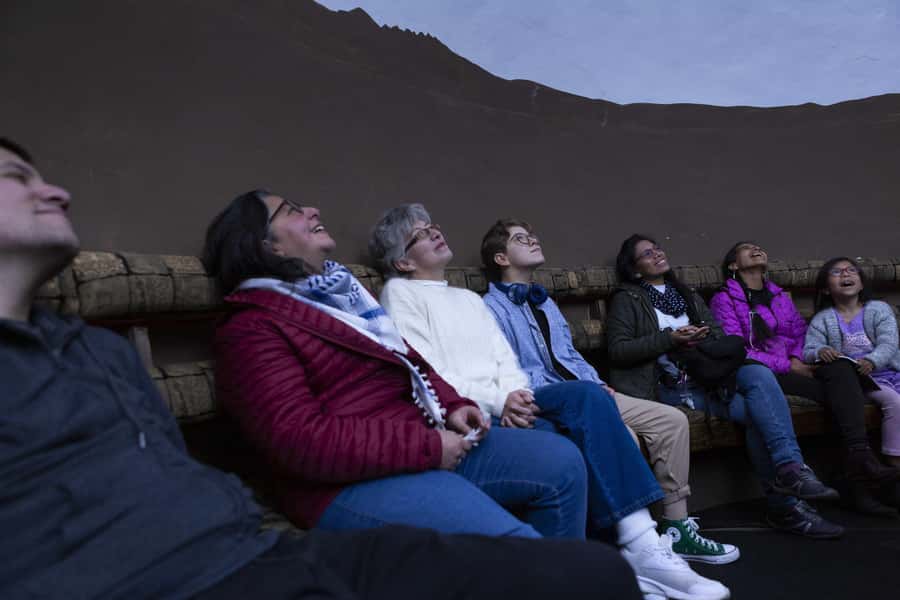
I would recommend this experience to you if you want cultural background with your astronomy. It is a good fit for curious adults, older children, couples, and small groups who want something different from churches, museums, and daytime archaeological sites.
It also suits you if your Cusco schedule has a free evening and you want an activity that does not require a full day outside the city. The transport is short, the meeting point is central, and the main program is contained within two hours.
You may want to skip it if you already study astronomy at an advanced level. One person found the content too basic, and the program is clearly aimed at general visitors. You should also think twice if you need guaranteed telescope viewing, since clouds can cancel that part.
People sensitive to cold should prepare carefully. Warm clothing and comfortable shoes are not optional extras here. The evening works best when you can pay attention to the sky rather than worrying about your hands and feet.
Pets are not allowed, except for assistance dogs. Alcohol and drugs are prohibited, and audio recording is not permitted. If you want a private service, you need to contact Planetarium Cusco directly because the standard outing is shared with a group.
My practical take on the experience
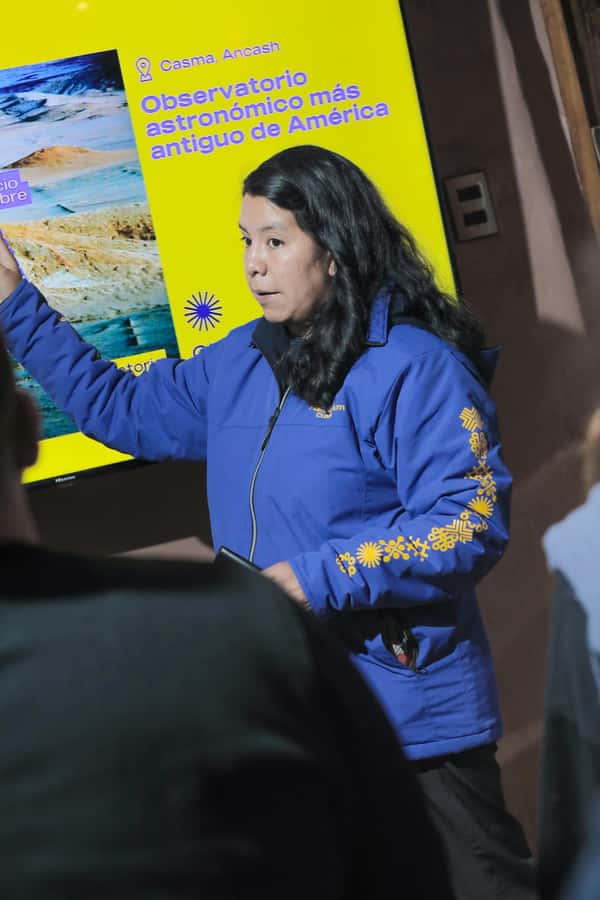
The strongest feature is the balance between culture and observation. The Inca material gives the stars a local meaning, while the dome and telescopes make the lesson visual and direct.
The second strength is the staff’s personal approach. A welcoming guide can make a major difference in an evening program, especially when the subject is unfamiliar. The small-group format and humor help keep the presentation from feeling stiff.
The weak point is weather. Cloud cover may remove the telescope session, and no amount of good planning can change that. The dome prevents the evening from becoming a complete disappointment, but real stars are still the most exciting possibility.
I also see this as a developing project rather than a polished, large-scale attraction. That can mean a friendly atmosphere and room for the program to grow. It can also mean the content may feel introductory to experienced astronomy students.
Should you book Planetarium Cusco?
Book it if you want to understand the Andean sky through both science and Inca culture. At $28, the included transport, dome presentation, guide service, and possible telescope viewing make it good value for a two-hour evening.
Go with realistic expectations. The telescope session depends on weather, the material is aimed at beginners, and the night can be cold. If you dress warmly and treat the outdoor viewing as an extra rather than a promise, Planetarium Cusco offers a thoughtful way to see Cusco from a different angle, above the rooftops and into the southern sky.
FAQ
Where do I meet for Planetarium Cusco?
Meet at 17:30 in the middle of Plaza Regocijo, next to the fountain. The square is very close to Cusco’s main plaza.
How long does the experience last?
The activity lasts about two hours. The planned return to Cusco is around 19:40, although the schedule may change to improve stargazing conditions.
Is transportation included?
Yes. Round-trip transportation from Regocijo Square is included. The ride to the planetarium takes about 10 to 15 minutes.
Is telescope stargazing guaranteed?
No. Telescope viewing depends on weather conditions. The schedule may change to make the best use of clear periods, but outdoor viewing is not guaranteed.
What languages are available?
The live guide service is available in English and Spanish.
What should I bring?
Bring comfortable shoes and warm clothing. Blankets are available at the planetarium if you feel cold.
Can children join the activity?
Children under seven are not suitable for this activity. Unaccompanied minors are not allowed.
Just added around Cusco
- Cusco: Via Ferrata, Skybike, and Rappel Adventure★ 5.0 · 3 reviews
- From Cusco: Maras and Moray and Ollantaytambo Tour★ 5.0 · 3 reviews
- Cusco: Rainbow Mountain Tour at Sunset Without the Crowds★ 4.7 · 3 reviews
- Cusco: Sacred Valley Day Trip with Maras & Moray Salt Mines★ 5.0 · 3 reviews
- Valle Sur Cusco | half day★ 4.3 · 3 reviews
- IN MACHU PICCHU: Private Tour Guide Service★ 5.0 · 3 reviews
- Salkantay trek to Machu Picchu – 5D/4N – Premium★ 3.3 · 3 reviews
- Full-Day Condor Viewpoint & Inca Sites Tour★ 5.0 · 3 reviews
Planetarium and Stargazing, compared.
Cusco by Night: Planetarium Cusco, Dinner, and Pisco Sour
Read our review →
Planetarium and Night Tour with Dinner and Pisco Sour
Read our review →
Excursion to the Planetarium of Cusco | New experience
Read our review →Browse the lists this tour appears in