
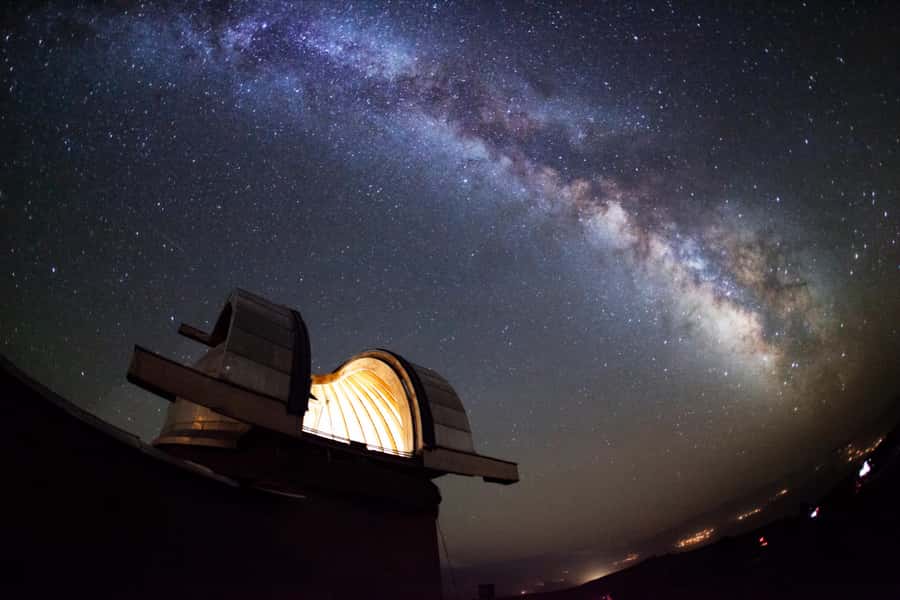
Reviewed · PLANETARIUM AND STARGAZING
Excursion to the Planetarium of Cusco | New experience
Cusco’s night sky is more than a pretty ceiling of stars. At the planetarium, you’ll learn how the Incas read the heavens through animal-shaped constellations and seasonal patterns, then step outside for a look through professional telescopes. The Inca astronomy lesson gives the outing a cultural purpose beyond ordinary stargazing.
I like the small group limit of 10, which should make it easier to hear the guide and ask questions. I also like the mix of indoor and outdoor activities: a talk and virtual sky show provide structure, while the telescope session adds a real night-sky moment. The main caution is timing. Although the tour is sold as four hours, the practical experience may last closer to two hours, including transportation.
In This Review
- Key points to know before booking
- Why Inca astronomy makes this outing different
- Meeting in Cusco between 5:30 and 6:00 PM
- Inside the interpretation rooms
- The dome show and Inca constellations
- Outdoor telescopes and a short night walk
- The four-hour promise versus the actual pace
- Is $39 a fair price?
- Who will enjoy this Cusco evening?
- Language, group size, and practical planning
- Should you book the Cusco Planetarium excursion?
- FAQ
- Where does the excursion begin?
- How long does the excursion last?
- Is transportation included?
- What languages are available?
- Can I use a telescope during the activity?
- Can I cancel for a refund?
Key points to know before booking
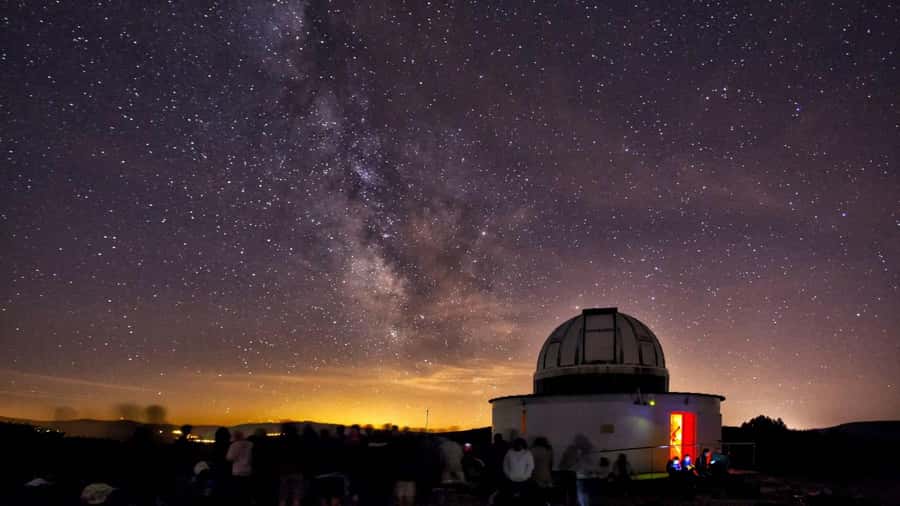
- Inca constellations take center stage: The planetarium explains how the Incas understood the southern sky, not just which stars are visible.
- Professional telescopes are included: Outdoor viewing depends on weather, and blankets may be provided for the stargazing session.
- Small groups keep it personal: The maximum is 10 people, with an English- or Spanish-speaking guide.
- Meet-up details need checking: The schedule says pickup at Plaza Regocijo from 5:30 to 6:00 PM, while the inclusions also mention hotel pickup.
- Allow for a shorter outing: The advertised duration is four hours, but the actual time at the planetarium may be around an hour and a half.
- The $39 price is mixed value: It makes sense for visitors who want a cultural astronomy lesson, but less so if you expect a long telescope session.
Why Inca astronomy makes this outing different
Many evening sky tours stop at identifying the Southern Cross or pointing out bright planets. This one puts the sky into an Andean setting. Inside the Cusco Planetarium, you’ll hear about Inca astronomy and see how the night sky was understood through constellations and natural signs.
That matters because Inca star knowledge was practical. The heavens helped people track seasons, agriculture, and time. The supplied information does not spell out every constellation or explain exactly how each one was used, so you should not book this expecting a full university lecture. Still, the focus gives the visit more substance than a basic telescope appointment.
I like this cultural angle because Cusco is often treated only as the gateway to Machu Picchu. An evening at the planetarium gives you another way to connect with the region. You are not simply looking upward. You are learning how people in the Andes made sense of the same stars you see today.
The planetarium is also described as one of the world’s more unusual observatories. That is an appealing claim, but the experience itself is fairly compact. Its interest comes from the combination of Andean astronomy, a dome presentation, and outdoor viewing rather than from a large museum complex.
More Andean stargazing evenings:
- Cusco by Night: Planetarium Cusco, Dinner, and Pisco Sour
★ 5.0 · 75 reviews - Planetarium Cusco OFFICIAL SITE: Andean Astronomy experience
★ 4.3 · 32 reviews - Cusco: Planetarium and Night Tour with Dinner and Pisco Sour
★ 4.9 · 9 reviews
Meeting in Cusco between 5:30 and 6:00 PM
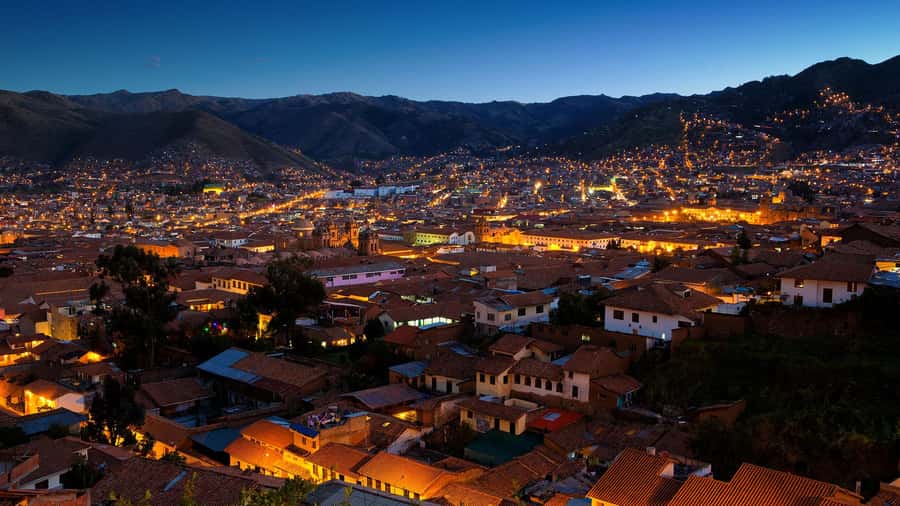
The published meeting point is Plaza Regocijo, with pickup scheduled between 5:30 and 6:00 PM. From there, tourist transport takes you to the planetarium, less than 20 minutes from central Cusco.
This short ride is useful after a full day of walking. You avoid arranging a taxi to an unfamiliar observatory, and the transport keeps the group together. The return is planned for central Cusco, arriving at the Plaza de Armas at about 8:00 PM.
There is one practical wrinkle. The inclusions list hotel pickup, but the detailed schedule names Plaza Regocijo as the pickup point. A separate price option may offer hotel pickup, according to the available tour details. I would confirm the exact pickup arrangement before paying, especially if you are staying outside central Cusco.
Plan to be ready early. A pickup window is not the same as a fixed departure time, and evening traffic or group coordination can affect the start. Plaza Regocijo is close to the main center, making it a sensible meeting place if you are already sightseeing nearby.
Inside the interpretation rooms
At the planetarium, the first formal part is a talk in the interpretation rooms. This is where the guide introduces Inca astronomy before the group moves to the dome.
The order is well chosen. A telescope can show you a bright object, but without context it may feel like a quick technical stop. The opening talk gives you a reason to care about the stars and helps you understand the cultural ideas behind the constellations.
The guide speaks English or Spanish, and you should select the language that lets you follow the astronomy terms easily. The small group format should help here, since a group of no more than 10 people is less likely to feel like a lecture delivered to a crowd.
The amount of detail can vary. The experience is designed as a short excursion, not a specialist course. One disappointing account described very little explanation of how the Incas used the constellations. That is an important expectation check: you may receive a clear introduction rather than a long, detailed study of Andean calendars, agriculture, and mythology.
Still, this room-based section protects the outing from becoming entirely weather-dependent. Even if clouds block the telescopes later, you have the talk and indoor presentation as the core of the visit.
The dome show and Inca constellations
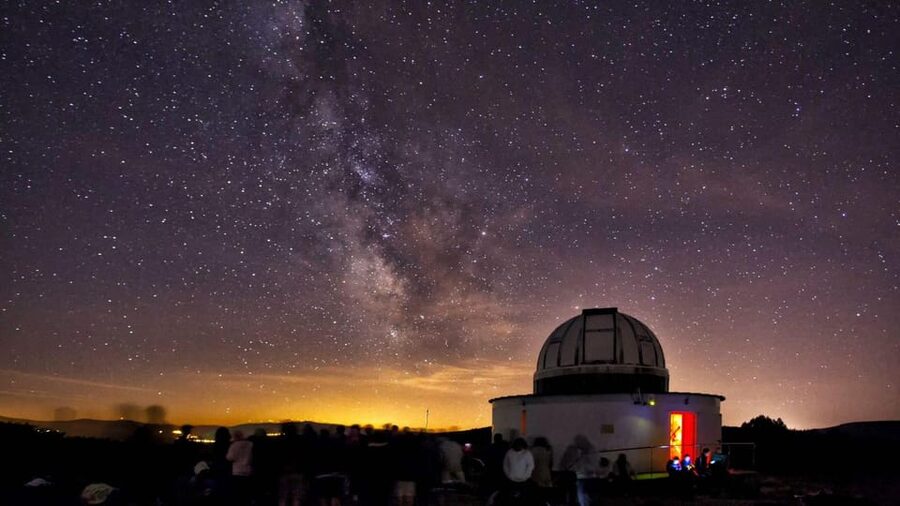
Next comes a virtual sky projection on the planetarium dome. This is likely the easiest part of the evening for seeing the stars clearly, since the projection does not depend on clouds or moonlight.
The dome presentation should help you connect individual stars into larger patterns. For a first introduction to Inca constellations, that visual format is useful. You can see the sky arranged above you instead of trying to follow a guide’s finger in the dark.
This is also where the experience differs from simply sitting outside with a telescope. The dome can present the sky as a whole, while the telescope narrows your attention to particular objects. Together, the two parts create a basic progression: understand the sky indoors, then inspect it outdoors.
Do keep the scale in mind. The information provided does not promise a long film or an elaborate multimedia program. The dome projection is one stage of a short visit. If you want a full evening of astronomy, this may feel brief.
I would treat the planetarium show as the cultural and educational heart of the outing. The outdoor telescope session is the more memorable visual moment, but the dome is what gives the evening its theme.
A few more Cusco departures worth comparing
- Machu Picchu Day Trip from Cusco
★ 4.5 · 1,644 reviews - From Cusco: Excursion to Humantay lake from Cusco
★ 4.7 · 514 reviews - From Cusco: 2-Day Trip to the Sacred Valley and Machu Picchu
★ 4.6 · 265 reviews - Full-Day Excursion to Sacred Valley, Pisac and Ollantaytambo from Cusco
★ 4.5 · 174 reviews
Outdoor telescopes and a short night walk
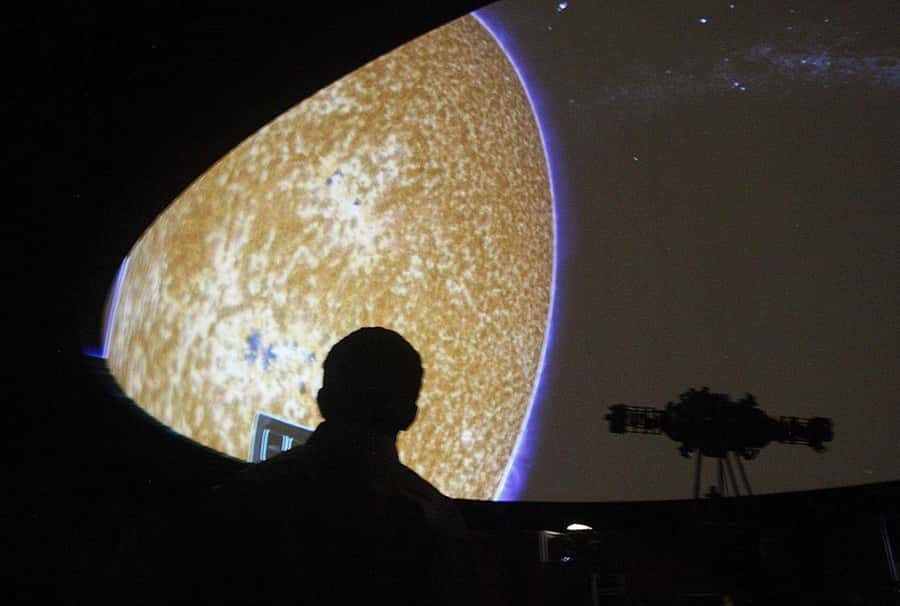
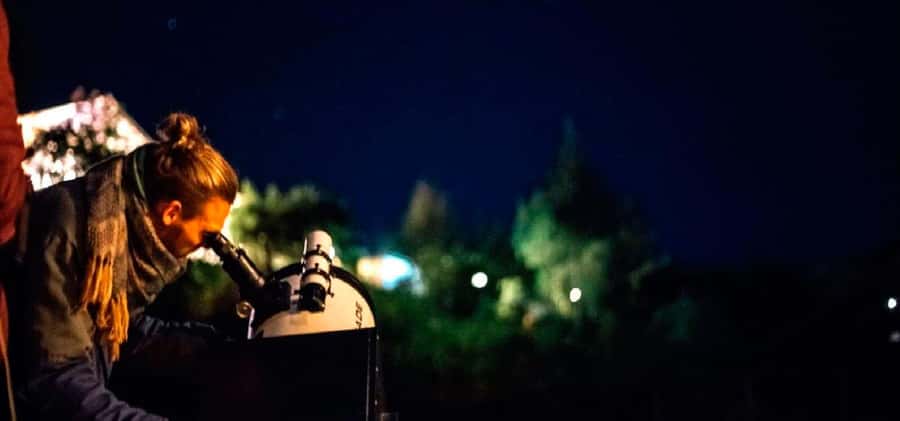
After the indoor program, the group goes outside to use the planetarium’s professional telescopes. You may see constellations, planets, or other visible features, but exact objects depend on the date, sky conditions, and what is above the horizon.
The telescope session is explicitly subject to weather. Cusco’s high-altitude setting can offer clear skies, but no astronomy tour can guarantee them. Clouds can turn a planned observation into a shorter outdoor stop, so keep that in mind when judging the price.
A practical tip is to bring a warm layer. Blankets have been provided on at least some outings, which helps during a stationary wait beside the telescopes, but you should not rely on that alone. Evening temperatures can feel sharp when you are standing still.
The tour also highlights a night walk. The available details do not describe a long route or a separate sightseeing stop, so I would expect a brief walk around the observatory rather than an extended hike. It adds a pleasant change of pace, but it is not the reason to book this activity.
The outdoor portion is where the tour can feel special. Looking through a large telescope gives the night a physical quality that a projected image cannot match. At the same time, it is the part most vulnerable to clouds and timing. If your visit is rushed, you may have only a limited amount of time at the eyepiece.
The four-hour promise versus the actual pace
The tour is listed as four hours, with the return to Cusco around 8:00 PM after a 5:30 to 6:00 PM pickup. In practice, the total outing may be much shorter. Direct experience supplied for this activity describes roughly an hour and a half at the planetarium and about two hours including transportation.
That difference is too large to ignore. A four-hour tour suggests a leisurely evening with plenty of time for explanations, telescope viewing, and perhaps a longer walk. A two-hour outing feels more like a compact introduction.
I would not automatically reject the experience because of this. A short evening can be ideal if you have dinner plans, an early start the next morning, or limited energy after sightseeing. The return to central Cusco around 8:00 PM also leaves the rest of your night open.
But the shorter duration changes the value calculation. At $39 per person, you are paying for transportation, admission, a bilingual guide, the dome presentation, and access to professional telescopes. That can be fair if the guide gives a strong astronomy talk and the sky is clear. It feels expensive if the outdoor viewing lasts only a few minutes and the explanation stays very basic.
Before booking, ask how long the group normally spends at the observatory and how the four-hour duration is being calculated. This is the single most useful question you can ask.
Is $39 a fair price?
The price sits in the middle range for a specialized evening activity, but value depends heavily on your expectations. Transportation and entry are included, and arranging both independently may be inconvenient. The small group limit also adds some value, since a group of 10 is more manageable than a large busload.
The price is less attractive if you mainly want to see stars. The tour does not promise a long observation period, and bad weather can limit the telescope work. You are paying partly for the interpretation of Inca astronomy and the convenience of a guided visit.
I would consider $39 reasonable for:
- A first introduction to Andean astronomy
- A short cultural activity after daytime sightseeing
- Visitors who value included transport and a bilingual guide
- Couples or families looking for something different from another city walk
I would hesitate if you are an experienced amateur astronomer. You may want more telescope time, more technical detail, or a longer session focused on planets and star clusters. This outing appears designed for general visitors, not for advanced skywatching.
The mixed score of 3.3 reflects that split in value. One person found the history and science memorable, especially with blankets available during outdoor viewing. Another enjoyed the evening but found the actual visit much shorter than expected. A third felt the price was high for limited explanation and a brief stay. Those are not contradictory reactions. They show that the tour works best when you know it is a compact introduction.
Who will enjoy this Cusco evening?
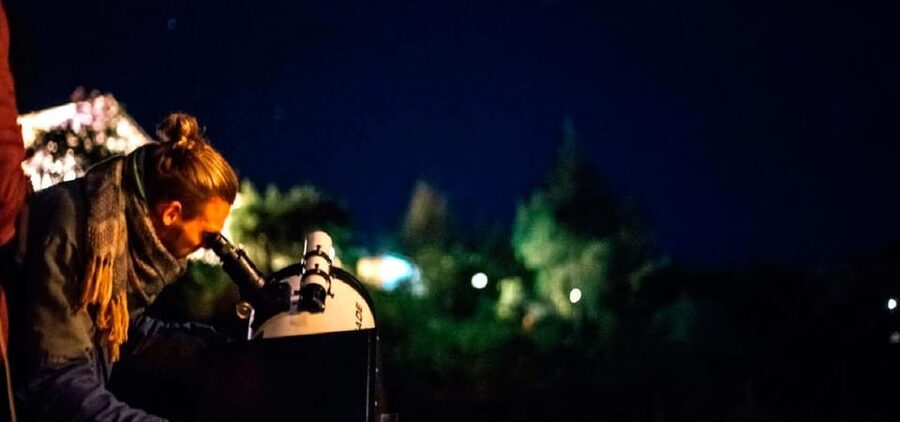
I would recommend the planetarium to you if you enjoy cultural context as much as scenery. The Inca astronomy theme gives the visit a clear purpose, and the dome presentation should make the material accessible even if you know little about the southern sky.
It also suits first-time visitors who have already seen Cusco’s main daytime sights. A night activity breaks up the usual pattern of ruins, markets, and churches. The excursion is short enough that you do not lose a full evening.
Families may appreciate the mix of visuals, transport, and telescope viewing, though the supplied information does not specify a minimum age or special children’s program. If you are booking with children, confirm that the timing and content fit your group.
The outing is less suitable if you need a guaranteed telescope session. Weather can stop the outdoor observation, and the information does not promise a replacement activity beyond the indoor talk and dome show.
It is also not ideal if you expect hotel pickup without checking first. The central meeting point is clear, but the hotel pickup information is not. Confirm this detail so your evening does not begin with a last-minute taxi scramble.
Language, group size, and practical planning
The live guide operates in English and Spanish. That is useful in Cusco, where clear explanations matter when the subject includes astronomy terms and unfamiliar Inca concepts.
The group is limited to 10 participants. I consider this one of the stronger features because astronomy works better when everyone can hear the guide and take a turn at the telescope. A small group may also make it easier to ask for clarification during the dome presentation.
Meals are not included, so plan to eat before or after the outing. With a return to central Cusco around 8:00 PM, dinner afterward is the simpler choice, assuming the timing holds.
Travel insurance and personal expenses are also not included. Alcohol and drugs are not allowed, a straightforward rule for an evening activity involving transport and observatory equipment.
You can cancel up to 24 hours before the activity for a full refund, and the reserve-now, pay-later option keeps your plans flexible. Those terms are useful in Cusco, where weather can affect outdoor plans, but they do not remove the need to check the forecast before you go.
Should you book the Cusco Planetarium excursion?
Book it if you want a short, guided introduction to Inca astronomy with a dome presentation and a chance to use professional telescopes. The small group, bilingual guide, included transport, and cultural focus give it more value than a simple star-pointing session.
Do not book it expecting four uninterrupted hours at the observatory. The actual outing may be closer to two hours including transport, and the telescope portion depends on weather. At $39, the tour makes the most sense for curious first-time visitors who value interpretation and convenience more than a long night of observation.
My advice is simple: confirm the pickup arrangement and expected time at the planetarium before booking. If those details fit your plans, this can be a pleasant and distinctive Cusco evening. If you want serious astronomy or guaranteed telescope time, save your money for a longer, more specialized observatory experience.
FAQ
Where does the excursion begin?
The published schedule says to meet at Plaza Regocijo, with pickup between 5:30 and 6:00 PM. The inclusions also mention hotel pickup, so confirm the exact arrangement before booking.
How long does the excursion last?
It is advertised as a four-hour activity, but the practical experience may be closer to two hours including transportation. The return to Cusco is planned for about 8:00 PM.
Is transportation included?
Yes. Tourist transportation to and from the Cusco Planetarium is included. The detailed schedule describes transport from central Cusco to the observatory, which is less than 20 minutes from the city.
What languages are available?
The live guide speaks English or Spanish.
Can I use a telescope during the activity?
The excursion includes professional telescope viewing, but the outdoor observation is subject to weather conditions.
Can I cancel for a refund?
Yes. You can cancel up to 24 hours in advance for a full refund. The activity also offers a reserve-now, pay-later option.
Just added around Cusco
- Cusco: Via Ferrata, Skybike, and Rappel Adventure★ 5.0 · 3 reviews
- From Cusco: Maras and Moray and Ollantaytambo Tour★ 5.0 · 3 reviews
- Cusco: Rainbow Mountain Tour at Sunset Without the Crowds★ 4.7 · 3 reviews
- Cusco: Sacred Valley Day Trip with Maras & Moray Salt Mines★ 5.0 · 3 reviews
- Valle Sur Cusco | half day★ 4.3 · 3 reviews
- IN MACHU PICCHU: Private Tour Guide Service★ 5.0 · 3 reviews
- Salkantay trek to Machu Picchu – 5D/4N – Premium★ 3.3 · 3 reviews
- Full-Day Condor Viewpoint & Inca Sites Tour★ 5.0 · 3 reviews
Planetarium and Stargazing, compared.

Cusco by Night: Planetarium Cusco, Dinner, and Pisco Sour
Read our review →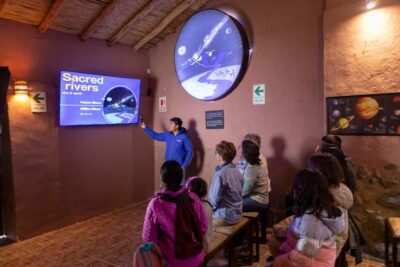
Planetarium Cusco OFFICIAL SITE: Andean Astronomy experience
Read our review →
Planetarium and Night Tour with Dinner and Pisco Sour
Read our review →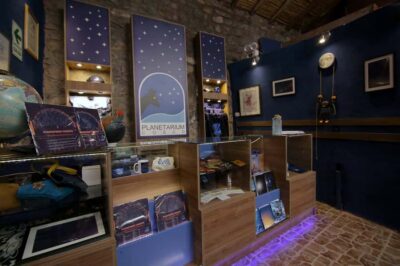
Browse the lists this tour appears in