
Reviewed · INCA JUNGLE TREKS
Inca Jungle Trail to Machu Picchu in 4 Days
The Inca Jungle Trail gives you a busy, varied route to Machu Picchu instead of four days on one walking path. You begin high at Abra Malaga, cycle about 40 kilometers downhill into warmer country, then hike beside the Vilcanota River through coffee farms, coca fields, old Inca paths, and thick forest. I like the mix of movement and scenery, and I like that Cocalmayo’s hot springs break up the walking.
I also like the human scale of the trip. Meals are included, the group is private, and guides such as Jhon, David, Franchesco, and Machu Picchu guide Lizandro have been praised for kindness and helpful explanations. The main caution is comfort: the first lodge can be basic, and the cold downhill bike ride calls for a jacket and hat.
In This Review
- Key points to know before booking
- Why this route feels different from a standard Machu Picchu trip
- Day one: from Cusco to Abra Malaga and Santa Maria
- Day two: coffee, coca, Inca paths, and Cocalmayo
- Day three: river crossings and the walk to Aguas Calientes
- Day four: three hours inside Machu Picchu
- Lodging, food, guides, and daily comfort
- What to pack for the changing climate
- Who will get the most from this $485 trip
- Should you book the Inca Jungle Trail?
- FAQ
- How long is the Inca Jungle Trail to Machu Picchu?
- What time does pickup begin?
- Is the 40-kilometer bike ride included?
- Is Machu Picchu entry included?
- Is the return train included?
- Are meals included?
- Are the hot springs included?
- Which languages are available?
Key points to know before booking
- A 40-kilometer downhill bike ride begins near Abra Malaga at roughly 4,350 meters and ends in Santa Maria at about 1,430 meters.
- The route changes character each day, from high mountain air to warm forest, coffee and coca country, river crossings, and the approach to Aguas Calientes.
- Cocalmayo hot springs are included, giving you a welcome rest after the second day’s walk.
- Three meals are included on each full tour day, with fruit, juices, soups, avocado, and regional dishes forming part of the menu.
- The first night may be the roughest, while later lodging is generally more comfortable.
- Your return train is not included, so you need to arrange and pay for that separately.
Why this route feels different from a standard Machu Picchu trip
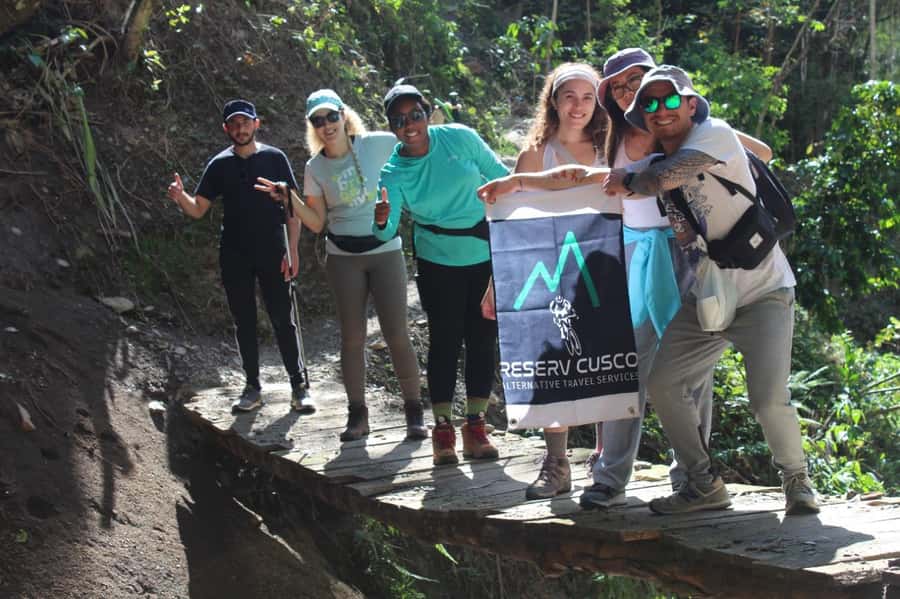
The Inca Jungle Trail is for you if the journey matters almost as much as the ruins at the end. You are not simply driven to a station and carried toward Machu Picchu. You bike, walk, cross rivers, watch the climate change, and spend nights in simple lodges along the way.
That variety is the appeal. On day one, you begin in the Cusco highlands and soon trade cold, thin air for a warmer forest valley. On day two, the route becomes a walk through working countryside and old Inca routes. Day three adds hanging bridges, an oroya crossing, birds, butterflies, and the final approach to Aguas Calientes.
At $485 per person, the package offers solid value if you use the included parts. Transport on the first day, a guide, Machu Picchu entry, bicycle equipment, three nights of lodging, hot springs, three breakfasts, three lunches, and three dinners are covered. The cost is less attractive if you expect polished hotels, a return train, extra activities, or a private mountain visit at Machu Picchu.
This is a private group, which should make it easier to keep the pace suited to your party. Still, the route is active and the wording of the schedule does not give exact walking distances for days two and three. You should be comfortable with several hours on foot and with changing weather.
More ways to reach Machu Picchu:
- From Cusco: Full-Day Group Tour of Machu Picchu
★ 4.7 · 1,767 reviews - Machu Picchu Day Trip from Cusco
★ 4.5 · 1,644 reviews - Machu Picchu: Full-Day Tour from Cusco with Optional Lunch
★ 4.6 · 927 reviews
Day one: from Cusco to Abra Malaga and Santa Maria
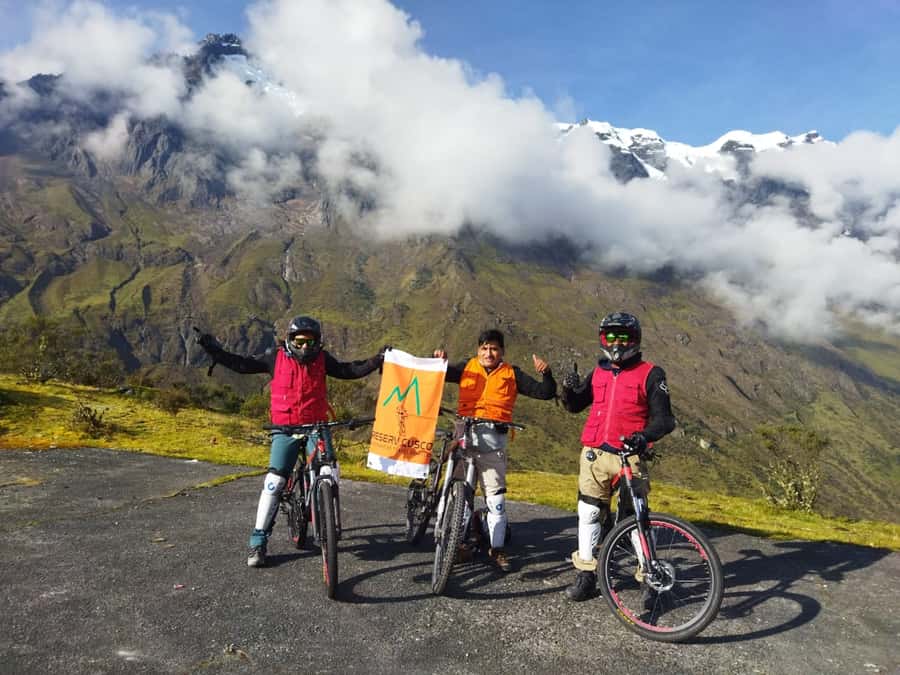
Pickup is scheduled around 7:45 or 8:00 in the morning from your hotel lobby. The drive begins with broad views over Cusco before continuing toward Chinchero and Ollantaytambo. The road then climbs toward Abra Malaga, reaching roughly 4,350 meters above sea level.
This high point is important for two reasons. First, it gives you a sharp change in climate. Second, it is where the cycling begins, if the guide considers the road and weather safe. Fog can affect the decision, so the guide has the final say about when and where you leave the vehicle.
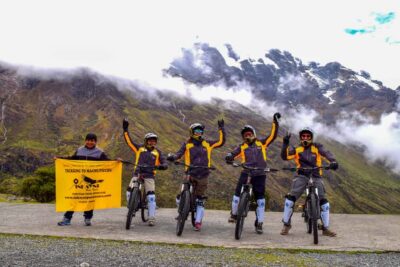
The ride is mainly downhill and covers about 40 kilometers. You pass from dry highland scrub and tough grasses into milder vegetation, then into the wooded country around the valley. A jacket and hat are useful here. The downhill air can feel cold even when Santa Maria is warm, and you do not want to spend three hours shivering on a bicycle.
The bike equipment is included, along with private transport. The provided details do not specify the bicycle model or individual protective equipment, so ask the operator what is supplied if that matters to you. The road ride is a major part of the day, not a short photo stop.
Partway through the route, you visit the Inca ruins of Wamanmarka. This gives the first day some cultural weight rather than making it only a downhill ride. Lunch also comes during the route, and after about three hours of biking you reach Santa Maria at approximately 1,430 meters.
The first lodge is the part of the tour where I would keep expectations modest. One booking found the Santa Maria accommodation affected by mold and dirt, while another described the first hotel as difficult but found the later places good. That does not mean every departure has the same room, but it is a fair warning: this is a basic lodge night in humid forest country, not a polished resort stay.
Day two: coffee, coca, Inca paths, and Cocalmayo
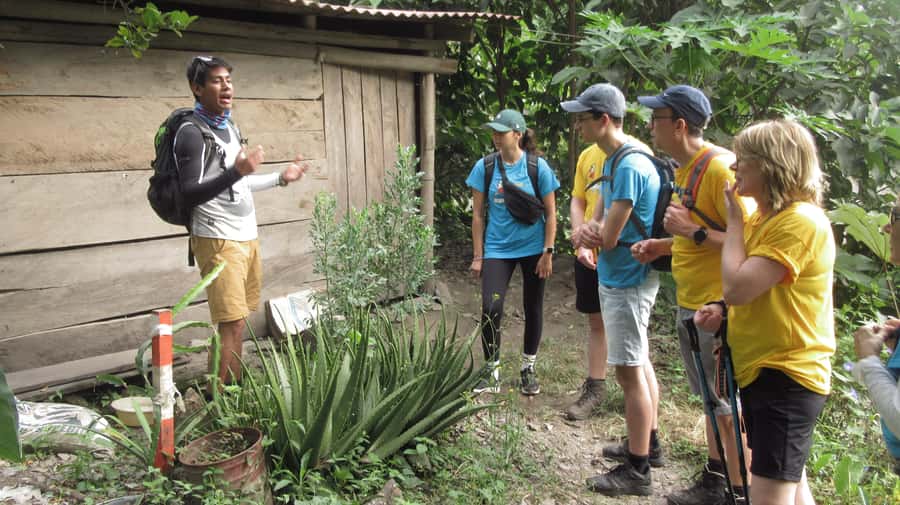
Breakfast is built around local fruit such as bananas, oranges, and papayas, with juices included. It sounds simple, but it suits a walking day. You leave Santa Maria early and follow trails through thick vegetation and cultivated areas.
The route passes coffee production and coca plants, both important parts of the local countryside. You see a lived-in valley rather than a staged archaeological site. That is one of the better reasons to choose this route: the walk connects the ruins and famous viewpoints with farms, vegetation, and daily work.
You also follow original Inca trails. The supplied schedule does not give a precise distance or walking time, so you should ask for those details before paying if you are planning around fitness or knee problems. The route is described as strenuous enough to leave you sweaty, but the air and forest setting make the effort worthwhile.
The day ends around Santa Teresa, with lunch and a visit to the thermal and medicinal baths at Cocalmayo. The hot springs are included in the price. After a warm, active morning, this is exactly the sort of stop that makes the itinerary work. You can rest your legs, enjoy the mountain setting, and have a slower part of the day before dinner.
The schedule language around Santa Teresa is not perfectly clear, so confirm the exact order of lunch, hot springs, lodging, and dinner. The essential point is that Santa Teresa is your second overnight area and Cocalmayo is part of the day’s program.
Day three: river crossings and the walk to Aguas Calientes
The third day brings the most playful sections of the route. You walk toward hanging bridges and cross the Vilcanota River by oroya, a small suspended crossing that moves you by hand along a cable. It is an adventure activity, not just a scenic footbridge, so anyone uneasy with heights should think carefully about this section.
The route also offers close views of forest life, including butterflies, parrots, birds, and insects. I would not book this as a wildlife tour, since no sightings are guaranteed, but the changing vegetation gives you plenty to notice as you walk.
A visit to Inti Watana, described as a solar clock, adds another archaeological stop. Like Wamanmarka on day one, it gives the walk a sense of place. You are not waiting until Machu Picchu to see traces of Inca engineering and belief.
Lunch includes typical soups and generous portions of avocado. Food is one of the stronger parts of the package. The meals are described as tasty and filling, and three meals per day are included on days one through three. If you have allergies or dietary restrictions, ask ahead, since the available information does not explain how special diets are handled.
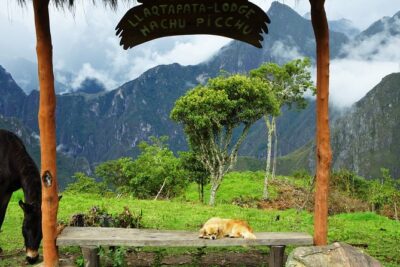
The final walk leads to Aguas Calientes, the town below Machu Picchu. This is the last overnight stop before the main visit. Dinner is included, followed by instructions for the next morning. Pay attention here, especially to the meeting time, entry arrangements, and whether you have selected any additional mountain at Machu Picchu.
One useful warning concerns extra mountain tickets. A past booking included a mountain choice but did not make clear that the person would leave the main group and complete another circuit with a different schedule. If you want an added mountain, ask exactly what it changes: guide time, meeting point, route, and time inside the citadel.
More Inca Jungle runs to Machu Picchu:
- 4-Day Inca Jungle Adventure, Mountain Biking, Rafting and Zipline
★ 5.0 · 60 reviews - 4 Days Inca Jungle to Machu Picchu Standard
★ 4.5 · 48 reviews - From Cusco: 4-Day Inca Jungle Adventure to Machu Picchu
★ 4.8 · 45 reviews - Inca Jungle Premium to Machu Picchu 4-Day and 3-Nights
★ 5.0 · 40 reviews
Day four: three hours inside Machu Picchu
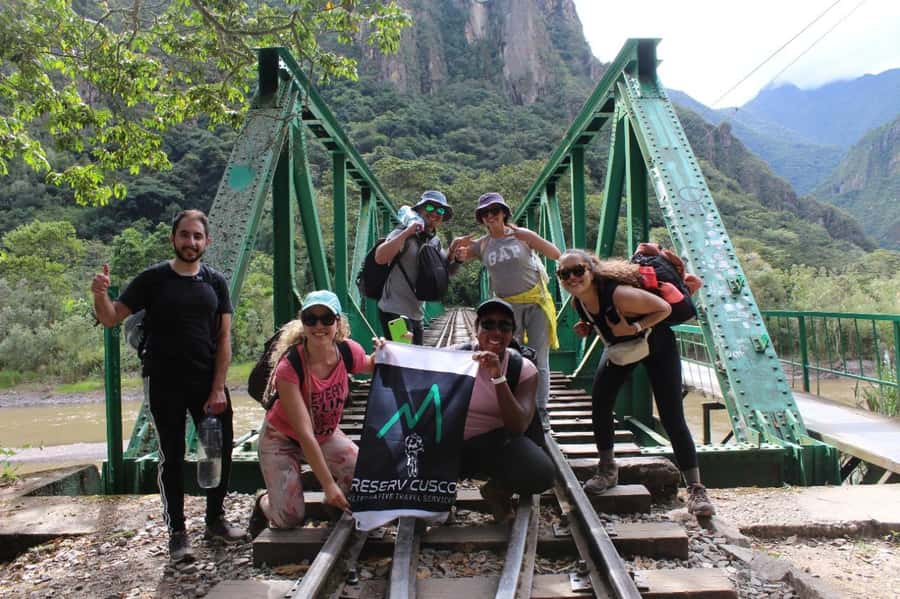
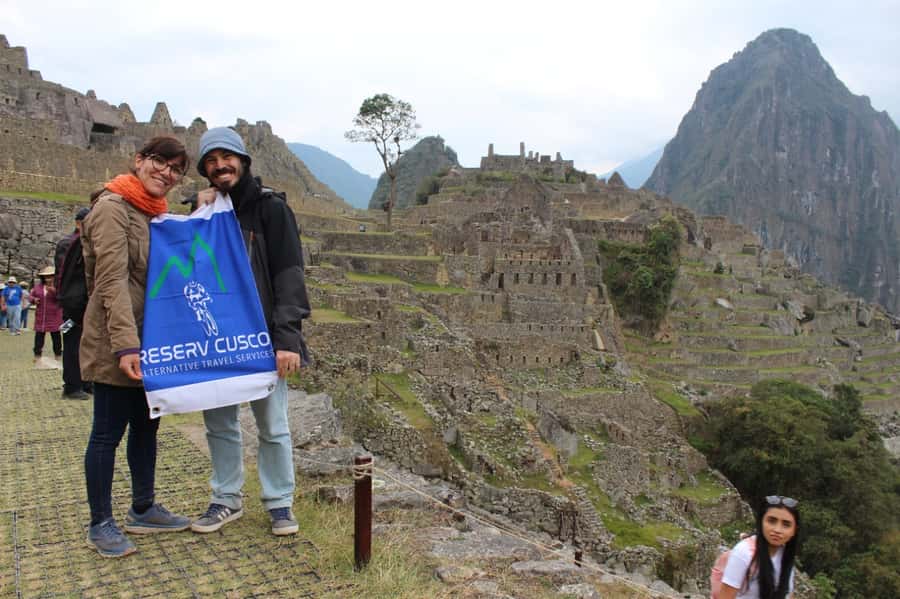
The final day is devoted to Machu Picchu. A private guide leads the visit for about three hours, giving you context for the terraces, buildings, setting, and ceremonial areas. This guided time is important because the ruins can otherwise become a series of impressive views without a clear sense of how the site fits together.
The guide language may be English, Spanish, or French. Previous departures have included guides such as Lizandro, who was praised for strong English and clear explanations. Other guide names connected with past trips include Jhon, Franchesco, and David. Guide quality can vary by departure, but the strongest feedback consistently points to friendly staff and helpful support.
After the visit, you take the train back. The return train ticket is not included in the $485 price, and the booking information directs you to purchase it separately through PeruRail. Budget for this before you commit. The final lunch is also excluded, as are optional activities.
The Machu Picchu visit is the payoff, but it is not the whole product. If you only want the ruins, a shorter train-based trip will be easier. If you want to earn the arrival through several kinds of travel, this four-day route makes more sense.
Lodging, food, guides, and daily comfort
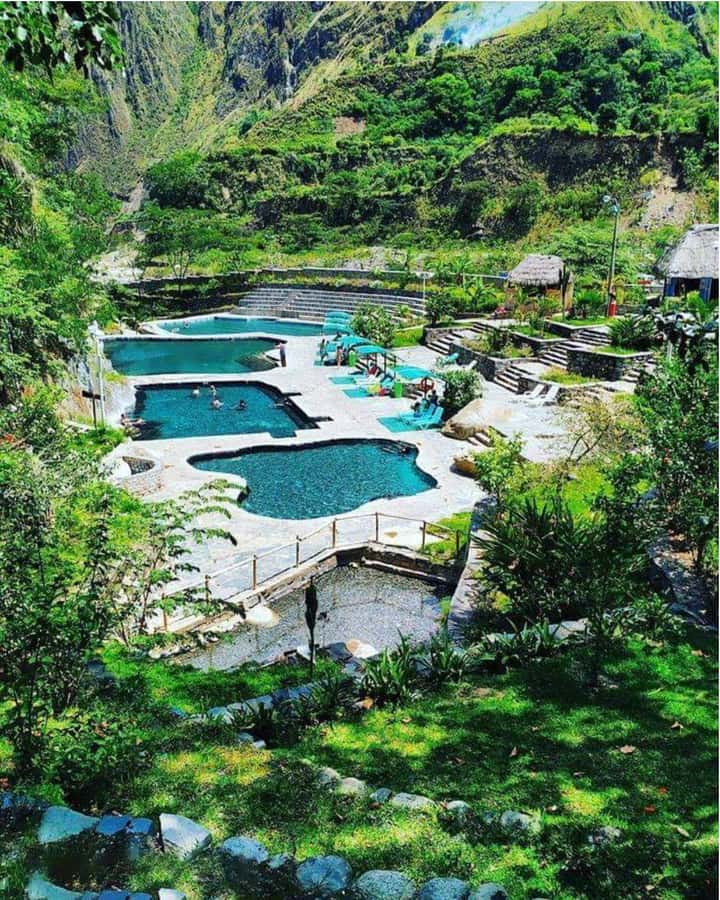
The lodging is functional rather than luxurious. Santa Maria deserves the most caution because of reports of mold, dirt, and a generally run-down room. Later accommodation was described as good, and one particularly enjoyable stay was at Alicia’s house in the forest.
The humid climate matters. Clothes and shoes may not dry quickly, and simple lodges may not have the finish you expect from a city hotel. Pack light, but keep a dry change of clothes protected in your bag.
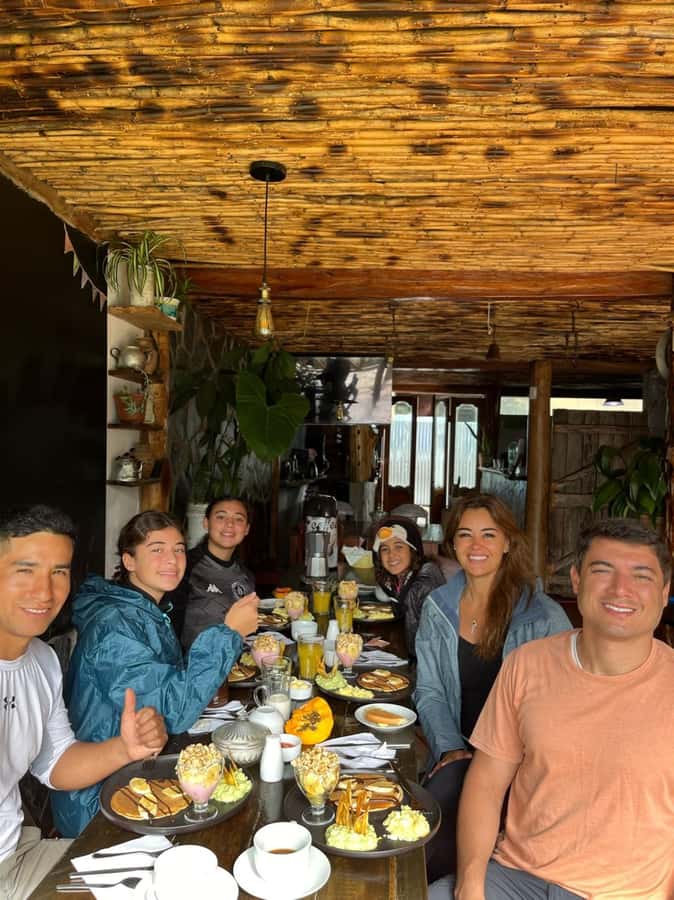
Food is a clear strength. You receive breakfast, lunch, and dinner for the first three days. Fruit and juices appear at breakfast, while lunches include regional soups and avocado. Portions are described as sufficient, which matters when you are cycling and walking for hours.
The guides are another positive part of the experience. Past departures have included Jhon, Franchesco, David, and Lizandro. Franchesco was not described as perfectly fluent in English, but his friendly manner earned strong approval. Communication is worth checking at the start of the trip, especially if your group is considering zip lining, an extra mountain, or any change to the normal schedule.
The product is advertised for English, Spanish, and French speakers. The group remains private, which is useful if your party has different walking speeds or wants to ask many questions.
What to pack for the changing climate
Bring your passport, since it is specifically required. You will also want practical clothing for a journey that begins at high altitude and ends in warm, humid forest.
I would pack:
- A warm jacket and hat for the bike descent
- Comfortable walking shoes with good grip
- Light clothes for Santa Maria, Santa Teresa, and Aguas Calientes
- Rain protection for the forest route
- A dry change of clothes in a protected bag
- Sun protection and water for exposed sections
- Any personal medication you need during four active days
Alcohol and drugs are not allowed. Baby carriages and pets are also prohibited, and the tour is not suitable for pregnant women. These rules are simple, but the physical demands are more important than the list suggests. You should be ready for cycling, walking, humid conditions, river crossings, and an early Machu Picchu schedule.
Who will get the most from this $485 trip
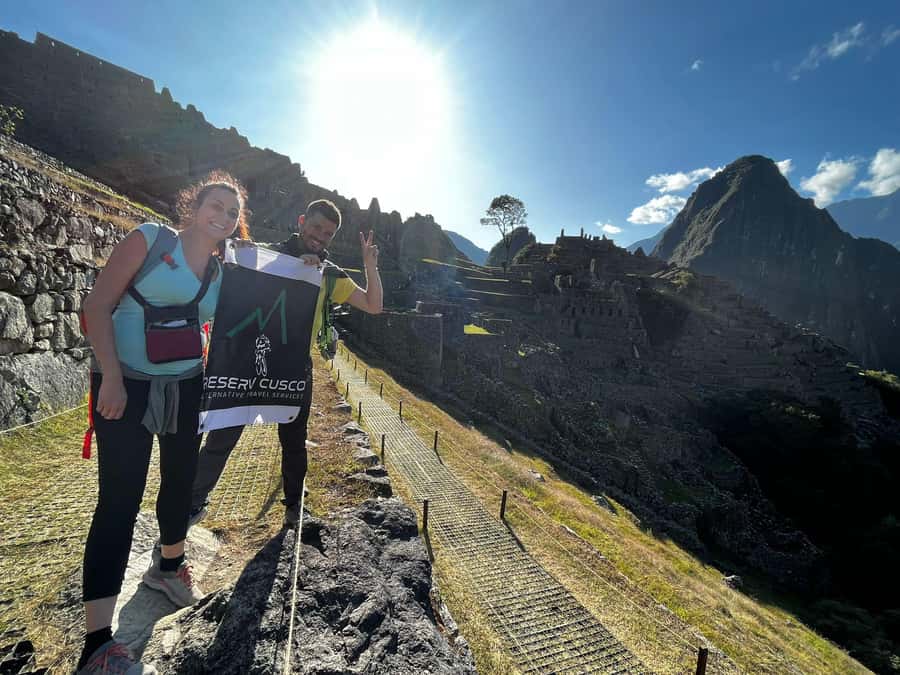
I would choose this tour if you want activity, scenery, and cultural stops in one package. It suits people who prefer a changing route to a single long trek and who like the idea of cycling one day, walking the next, soaking in hot springs, and crossing an oroya before reaching Machu Picchu.
It also works well if you value included meals and organized transport. At $485, the price covers many costly pieces, especially Machu Picchu entry, three nights of lodging, private transport on the first day, equipment, a guide, and food. The value drops if you add zip lining, select another mountain, or assume the return train is included.
I would hesitate if clean, comfortable lodging is a priority. I would also hesitate if you dislike unclear schedules. The wording around some stops is imprecise, and communication about optional activities has not always been perfect. Ask for the full timetable and every extra charge before booking.
Free cancellation up to 24 hours before the start and reserve-now, pay-later terms make the booking less risky. Still, flexibility does not replace planning. Confirm the train, final lunch, and any extra Machu Picchu mountain before you leave Cusco.
Should you book the Inca Jungle Trail?
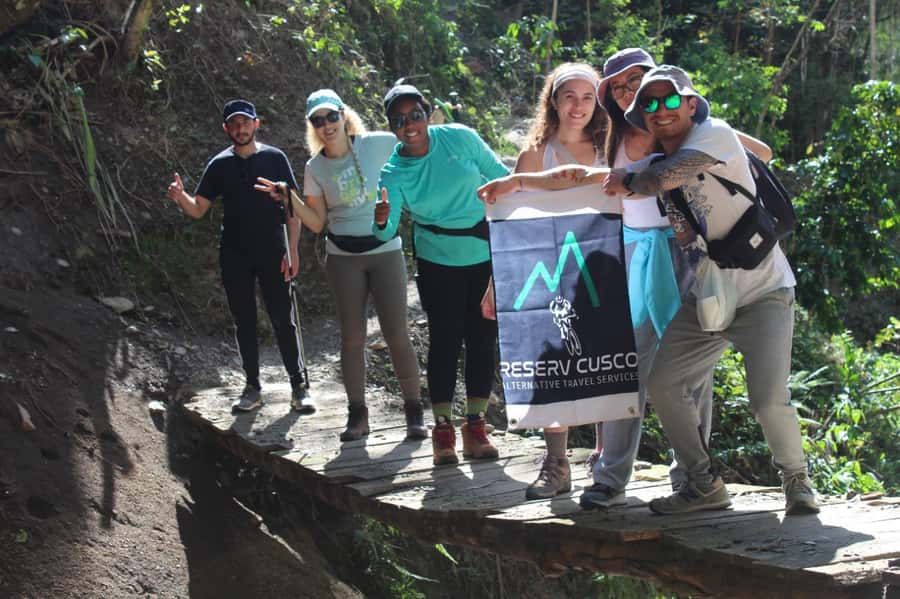
Book it if you want an active four-day route with a memorable downhill bike ride, forest walking, coffee and coca country, Cocalmayo hot springs, river crossings, and a guided Machu Picchu visit. The food and guide support add real value, and the private-group format is helpful.
Skip it if you want quiet, polished lodging or a simple, tightly timed route. For most suitable walkers, the rough first lodge and separate train cost are manageable tradeoffs for the range of experiences. Go in with warm clothes for the bike ride, modest lodging expectations, and clear questions about extras, and this can be a very rewarding way to reach Machu Picchu.
FAQ
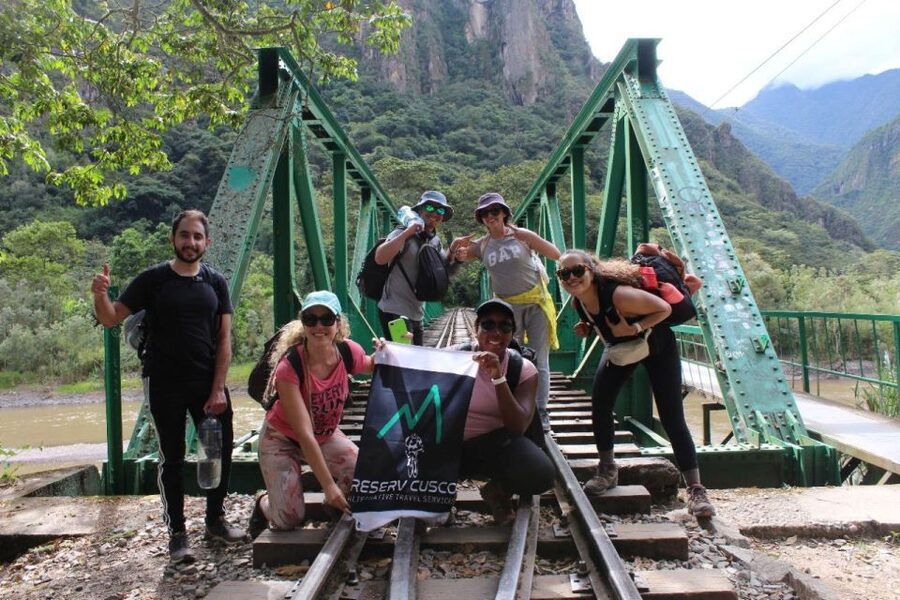
How long is the Inca Jungle Trail to Machu Picchu?
The tour lasts four days. The first day includes a bike descent of about 40 kilometers, followed by hiking on the second and third days and a Machu Picchu visit on day four.
What time does pickup begin?
Pickup is scheduled between 7:45 and 8:00 in the morning. You should wait in your hotel lobby 10 minutes before the scheduled pickup time.
Is the 40-kilometer bike ride included?
Yes. Private transport on the first day and bike equipment are included. The ride begins near Abra Malaga, subject to the guide’s decision if fog or conditions affect the route.
Is Machu Picchu entry included?
Yes. Entrance to Machu Picchu and a guided visit lasting about three hours are included.
Is the return train included?
No. The train ticket back from Machu Picchu to Cusco is not included. You need to buy it separately, with PeruRail provided as the stated booking option.
Are meals included?
Breakfast, lunch, and dinner are included for the first three days. The final lunch is not included.
Are the hot springs included?
Yes. Entry to the hot springs at Cocalmayo is included in the tour price.
Which languages are available?
Guiding is available in English, Spanish, and French. The tour is operated as a private group.
More Treks From Cusco
- Cusco: 4-Day Inca Trail to Machu Picchu with Accommodation
★ 4.8 · 432 reviews - From Cusco: 7 Lakes Ausangate Trek with Breakfast and Lunch
★ 4.8 · 360 reviews - Cusco: Machu Picchu 2-Day Inca Trail with Panoramic Train
★ 4.9 · 260 reviews - From Cusco: 2-Day Inca Trail to Machu Picchu
★ 4.2 · 244 reviews
Just added around Cusco
- Cusco: Via Ferrata, Skybike, and Rappel Adventure★ 5.0 · 3 reviews
- From Cusco: Maras and Moray and Ollantaytambo Tour★ 5.0 · 3 reviews
- Cusco: Rainbow Mountain Tour at Sunset Without the Crowds★ 4.7 · 3 reviews
- Cusco: Sacred Valley Day Trip with Maras & Moray Salt Mines★ 5.0 · 3 reviews
- Valle Sur Cusco | half day★ 4.3 · 3 reviews
- IN MACHU PICCHU: Private Tour Guide Service★ 5.0 · 3 reviews
- Salkantay trek to Machu Picchu – 5D/4N – Premium★ 3.3 · 3 reviews
- Guide in Machu Picchu★ 5.0 · 3 reviews
Inca Jungle Treks, compared.
4-Day Inca Jungle Adventure, Mountain Biking, Rafting and Zipline
Read our review →
Inca Jungle Premium to Machu Picchu 4-Day and 3-Nights
Read our review →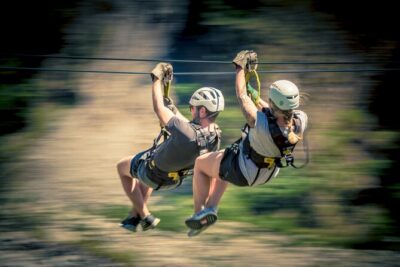
Inca Jungle 4-Day Tour: Full Adventure to Machu Picchu Included
Read our review →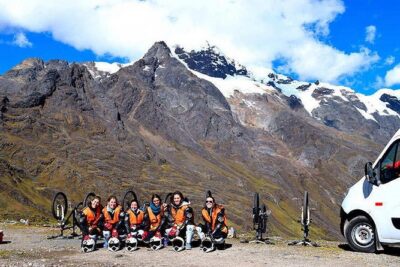
07 Day: Inca Jungle Adventure with Mountain Bike, Rafting, Zipline & Trek
Read our review →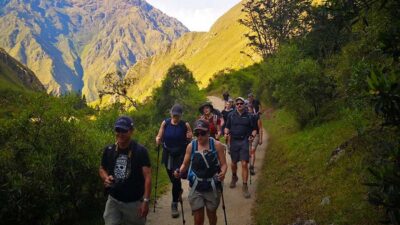
4 days/3 nights: Inka Jungle Trek to Machu Picchu
Read our review →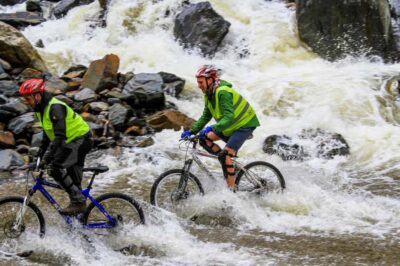
Browse the lists this tour appears in