
Reviewed · SOUTH VALLEY TOURS
From Cusco: South Valley Villages and Archaeology Tour
Tipón’s stone terraces and flowing waterworks make this South Valley tour more than a quick ruin-counting exercise. You see how the Inca shaped mountain water for farming, then move on to a Huari settlement and one of Peru’s most decorated churches. Tipón is the star for engineering fans, while Andahuaylillas supplies the visual shock.
I like the compact five-hour route and the hotel pickup, which saves you from arranging transport across several sites. I also like the contrast between Inca agriculture, Huari adobe buildings, and colonial church art. The main catch is cost planning: the $29 price does not include entrance fees or lunch, and the final meal stop may not suit every palate.
In This Review
- Key points to know before you book
- Why the South Valley makes a smart half-day trip
- Tipón: Inca water, farming, and royal design
- Pikillacta: the Huari city of adobe
- Andahuaylillas and Peru’s painted church interior
- Saylla food stop: chicharrones or guinea pig
- What the $29 price really covers
- Who will enjoy this tour most
- Practical advice for a better morning
- Should you book the South Valley tour?
- FAQ
- How long does the South Valley tour last?
- What locations does the tour visit?
- Is hotel pickup included?
- Is transportation shared or private?
- What languages does the guide speak?
- Are entrance fees included?
- Is lunch included?
- What food can I try in Saylla?
- Can I bring a pet?
- Can I cancel for a refund?
Key points to know before you book
- Tipón’s terraces still show working Inca water design: Look for the aqueduct, channels, baths, and temple complex.
- Pikillacta adds a pre-Inca chapter: The adobe settlement was built by the Huari people around AD 700 to 900.
- Andahuaylillas brings a major change of mood: Its painted interior is known as the Sistine Chapel of Peru.
- Saylla is the food stop: You can try pork chicharrones or roasted guinea pig, but lunch costs extra.
- The tour is built for a half-day: Shared transport, hotel pickup, and drop-off keep the route simple.
- Budget beyond the headline price: Entrance fees are not included, and the activity is non-refundable after booking.
Why the South Valley makes a smart half-day trip
Cusco’s South Valley gives you a useful break from the city’s best-known sights. Instead of spending the whole morning around one major complex, you move through three different periods of Peruvian history in a short stretch of time.
The route begins with the Inca world at Tipón. It then steps back to the Huari period at Pikillacta before moving forward to the colonial era at Andahuaylillas. That sequence helps you see Peru as a long story rather than a collection of separate ruins.
The five-hour duration works well if you have limited time in Cusco. You can fit it around other plans more easily than a full-day excursion. Still, this is not a slow, private exploration. Shared transport means the pace is set for the whole group, and each stop gets a defined amount of time.
Your guide speaks English and Spanish and gives the sites their context. That matters most at Tipón and Pikillacta, where stone terraces and low adobe walls can look simple until you understand their purpose.
More South Valley trips from Cusco:
- SOUTH VALLEY CUSCO
★ 4.1 · 56 reviews - Cusco South Valley: Morning Half Day Tour
★ 4.2 · 15 reviews - Half-Day Tour Tipón, Pikillaqta & Andahuaylillas Shared Tour
★ 5.0 · 4 reviews
Tipón: Inca water, farming, and royal design
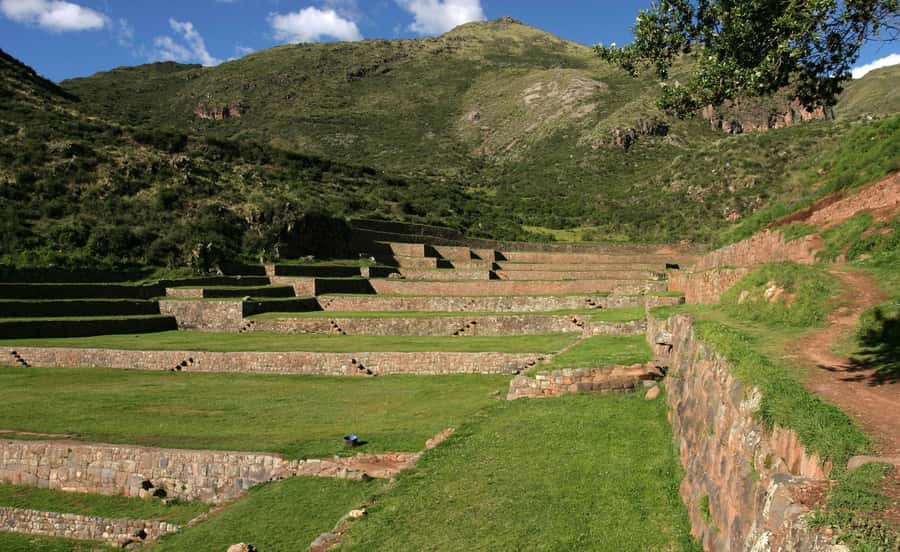
Tipón is the first major stop and the most practical lesson in Inca agriculture. The site is thought to have been a royal garden commissioned by the Inca god Viracocha. The exact purpose is less important for your visit than what remains visible: terraces supplied by carefully directed water.
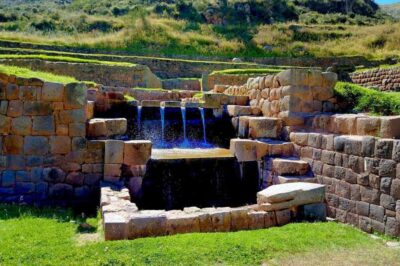
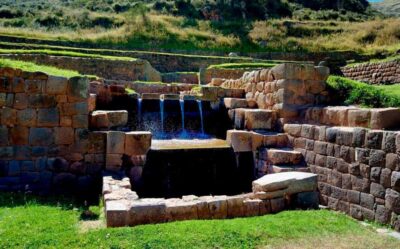
The aqueduct draws water from Pachatusan, described as a sacred mountain, and feeds the agricultural terraces. As you walk through the site, your guide explains how the Incas used slope, stone, and water flow to support farming. You are not just looking at walls. You are seeing a system designed around the land.
That is what makes Tipón especially rewarding. The terraces are a clear example of Inca planning, and the channels help you understand the level of control involved. Water was not left to chance. It was guided through the site for cultivation and possibly ceremonial use.
Look closely at the other structures too. The baths and temple complex add a religious and royal dimension to the farming work. Tipón joins practical agriculture with ceremonial design, which gives the stop more range than a simple terrace viewpoint.
I would pay attention to the sound and movement of the water here. It helps you picture the site as an active place rather than a silent ruin. The stop is also a good fit if you prefer archaeology that explains daily life, not only rulers and battles.
The main limitation is that the tour does not give you an entire day at Tipón. If Inca irrigation is your main interest, you may wish for more time to inspect the channels and terraces. Even so, the site offers a strong opening because its purpose is easy to grasp.
Pikillacta: the Huari city of adobe
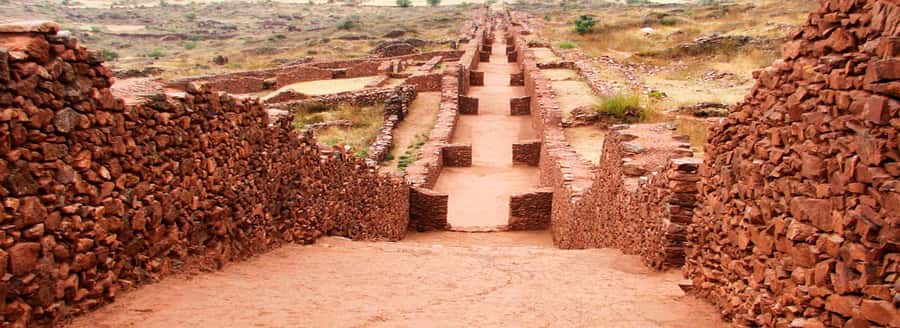
The next stop changes the materials, date, and feel of the tour. Pikillacta was built by the indigenous Huari people around AD 700 to 900, long before the height of Inca power.
The complex is made from adobe, so it looks quite different from the fitted stonework associated with Cusco’s Inca sites. Your guide helps place the walls and structures within the Huari period, giving you a chance to learn about a civilization that often receives less attention from first-time visitors.
Pikillacta is valuable because it widens your view of the region. Peru’s past did not begin with the Incas, and the Huari built organized settlements centuries earlier. The site gives you a physical reminder that several major cultures shaped the Cusco Region.
Do not expect the same polished visual drama as a carefully restored stone complex. Adobe ruins can be harder to read, especially if you arrive without background. That is where the bilingual guide earns much of the tour’s value. A good explanation turns scattered walls into an urban plan.
The contrast with Tipón is useful. At Tipón, you focus on water and agricultural terraces. At Pikillacta, you focus on settlement and construction. Seeing both in one morning helps you compare how different societies used local materials and organized space.
Andahuaylillas and Peru’s painted church interior
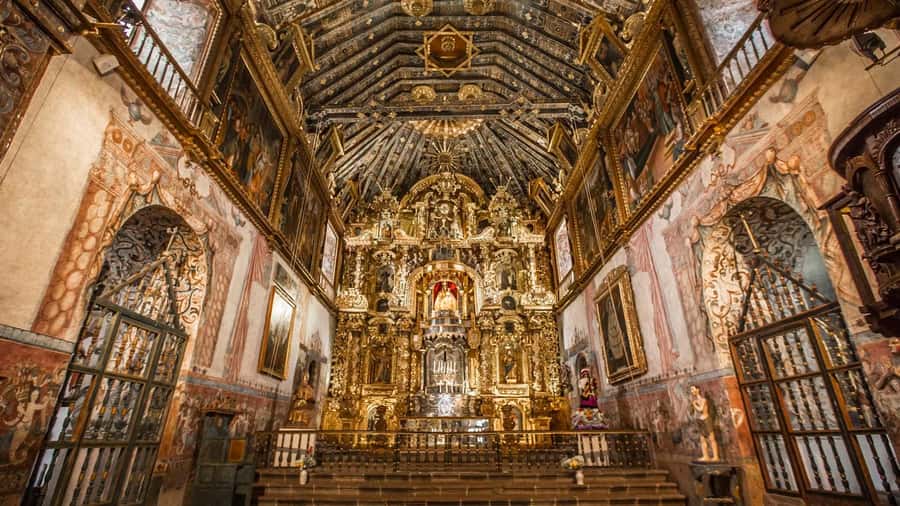
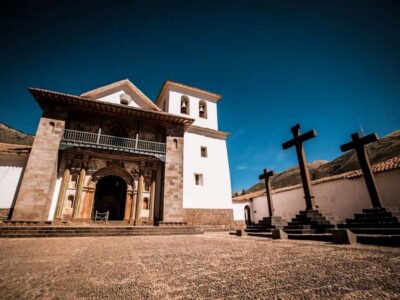
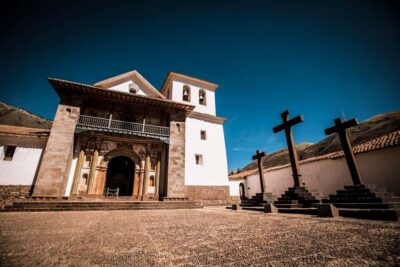
Andahuaylillas brings the biggest visual change. The church is known as the Sistine Chapel of Peru because of its elaborate paintings and decorated interior.
The art includes work from the Escuela Cuzqueña, the Cusco School of painting. This makes the stop important not only for its decoration but also for the meeting of European religious themes and local artistic traditions.
After two archaeological sites, the church gives you a different way to understand the region. You move from agricultural engineering and adobe construction to painting, faith, and colonial art. The change keeps the tour from feeling repetitive.
Take your time looking at the painted surfaces and details. The interior is the reason this stop has such a strong reputation, and it is easy to rush through if you are still thinking about ruins. Your guide can help explain what you are seeing, but your own attention matters here too.
There is one practical point to keep in mind: entrance fees are not included in the $29 tour price. Since the three main stops require paid admission, check the current total before booking. The low advertised fare is appealing, but your real budget needs to include those separate costs.
More Inca sites near Cusco:
- Cusco: City Tour | Half-Day Tour to 4 Archaeological Sites
★ 4.6 · 206 reviews - Cusco City Sightseeing and Sacsayhuaman Archeological Park Tour
★ 4.5 · 101 reviews - Cusco: Historical Guided City Tour with 4 Inca Ruins
★ 4.5 · 99 reviews - Machu Picchu Private Archaeological and Historical Guided Tour
★ 5.0 · 86 reviews
Saylla food stop: chicharrones or guinea pig
The return to Cusco passes through Saylla, where you can stop for traditional food. The choices named for this experience are pork chicharrones and roasted guinea pig.
This is a useful chance to try something associated with the local area rather than simply returning to the city after sightseeing. If you have never tried guinea pig, this is the kind of stop where you can decide for yourself. If you prefer a more familiar option, pork chicharrones may be the easier choice.
Lunch is not included, so treat the meal as an optional personal expense. I would also keep expectations measured. The food stop is convenient and local, but the meal is not the main reason to choose this tour, and it may not be the strongest part of the day for every person.
The food stop also affects your schedule. With only five hours overall, this is a short cultural and dining break rather than a long restaurant visit. If you want a leisurely lunch, you may prefer to eat independently in Cusco later.
What the $29 price really covers
At $29 per person, this is a strong value if you want transport, a bilingual guide, and several South Valley sights without arranging each transfer yourself. Hotel pickup and drop-off are included, which adds real convenience in Cusco.
The shared vehicle keeps the cost down. In exchange, you give up the flexibility of a private tour. You will follow the group schedule, and the amount of time at each site will be set by the operator and guide.
The price does not include entrance fees or lunch. Those extras can change the final cost, so do not compare the $29 fare with an all-inclusive tour price without checking what each one covers.
For a short outing, the value is strongest when you want variety. You get Inca water engineering, Huari archaeology, colonial painting, and a local food option in five hours. If you want long walks, detailed photography time, or a slow meal, this format may feel tight.
Who will enjoy this tour most
I would recommend this experience to first-time visitors who want to see more than central Cusco but do not have a full day available. It also suits anyone interested in how cultures, materials, and ideas changed across the region.
It is a good match for:
- Visitors with only one free half-day
- People who want hotel pickup and shared transport
- Anyone interested in Inca farming and water systems
- Travelers curious about pre-Inca Huari culture
- Art lovers who want to see Andahuaylillas
- Visitors willing to pay entrance fees and lunch separately
You may want another format if your priority is complete control over timing. The non-refundable booking policy also means you should be certain of your plans before paying.
Practical advice for a better morning
Wear comfortable shoes suitable for archaeological sites. The tour includes terraces, ruins, and several structures, so you will get more from it if you are ready to walk and stand.
Keep some extra money available for entrance fees and food. Since both are excluded, arriving with only the advertised tour price could leave you short at the most interesting parts of the day.
Ask your guide to explain the water channels at Tipón and the layout of Pikillacta. Those details can be easy to miss without context. At Andahuaylillas, slow down and look upward and around the walls rather than treating the church as a quick photo stop.
The experience is offered in English and Spanish. At booking, check the available starting times, since the tour lasts five hours but the exact departure time can vary.
Should you book the South Valley tour?
Book it if you want a compact, varied introduction to the Cusco Region at a modest starting price. Tipón is the strongest stop for clear archaeological meaning, while Andahuaylillas gives the tour its most memorable visual finish. Pikillacta adds important pre-Inca context that many short excursions leave out.
Skip it if you dislike shared schedules, want lunch included, or need a flexible cancellation policy. For most people with a free half-day, though, the combination of hotel transport, a bilingual guide, three distinct sites, and a local food option makes this a sensible Cusco add-on. Just budget for the entrance fees and keep the Saylla meal in the category of extra experience, not included value.
FAQ
How long does the South Valley tour last?
The tour lasts five hours.
What locations does the tour visit?
It visits Tipón, Pikillacta, Andahuaylillas, and Saylla on the return to Cusco.
Is hotel pickup included?
Yes. Hotel pickup and drop-off in Cusco are included.
Is transportation shared or private?
Transportation is shared.
What languages does the guide speak?
The live guide speaks English and Spanish.
Are entrance fees included?
No. Entrance fees are not included in the tour price.
Is lunch included?
No. Lunch is not included.
What food can I try in Saylla?
You can choose traditional pork chicharrones or roasted guinea pig.
Can I bring a pet?
No. Pets are not allowed on the activity.
Can I cancel for a refund?
No. The activity has a non-refundable cancellation policy.
Just added around Cusco
- Cusco: Via Ferrata, Skybike, and Rappel Adventure★ 5.0 · 3 reviews
- From Cusco: Maras and Moray and Ollantaytambo Tour★ 5.0 · 3 reviews
- Cusco: Rainbow Mountain Tour at Sunset Without the Crowds★ 4.7 · 3 reviews
- Cusco: Sacred Valley Day Trip with Maras & Moray Salt Mines★ 5.0 · 3 reviews
- Valle Sur Cusco | half day★ 4.3 · 3 reviews
- IN MACHU PICCHU: Private Tour Guide Service★ 5.0 · 3 reviews
- Salkantay trek to Machu Picchu – 5D/4N – Premium★ 3.3 · 3 reviews
- Guide in Machu Picchu★ 5.0 · 3 reviews
South Valley Tours, compared.
Half-Day Tour Tipón, Pikillaqta & Andahuaylillas Shared Tour
Read our review →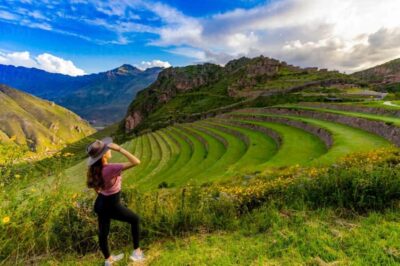
Browse the lists this tour appears in