
Reviewed · DAY TRIPS
Excursion + Sillar and Culebrillas Route in Arequipa
Arequipa’s white stone comes alive at the Añashuayco quarries, where sillar is still cut by hand and shaped into building blocks. You’ll see towering ignimbrite walls, a huge church carving, and the work of local stonemasons before walking into Culebrillas canyon to find old Wari petroglyphs.
I like the direct contact with the stone workers, and I like that the tour links geology, local craft, and archaeology in one half-day outing. The main drawback is transport: one recent passenger reported waiting for late group members and riding in a bus without air conditioning.
In This Review
- Key points
- Why Arequipa’s white stone matters
- The first views toward the volcanoes and Chilina Valley
- Reaching Añashuayco after about 45 minutes
- Meeting a stonemason and trying the work
- The giant Church of the Society of Jesus carving
- Walking into Culebrillas canyon
- Finding Wari petroglyphs more than 1,000 years old
- Apachetas and the return to Arequipa
- Transport, pacing, and the practical trade-offs
- Who will get the most from this four-hour outing
- Should you book the Sillar and Culebrillas Route?
- FAQ
- Where does the excursion take place?
- How long does the tour last?
- What time does the morning tour start?
- Is there an afternoon departure?
- What languages are available?
- What is included in the price?
- Are entrance fees included?
- Can I cancel the booking?
Key points
- Working Añashuayco quarry: See the source of Arequipa’s famous sillar and watch how blocks are cut.
- Church of the Society of Jesus carving: A large stone artwork shows what local masons can create from the quarry walls.
- Hands-on stone cutting: You may try cutting a sillar block under a stonemason’s guidance.
- Culebrillas canyon walk: Follow a roughly 20-minute path between walls reaching 15 to 20 meters high.
- Wari petroglyphs and apachetas: Look for carvings more than 1,000 years old, then see stacked stones linked with gratitude and luck.
- Flexible half-day timing: Choose the morning departure or the 2:00 pm shift, with transport back near Arequipa’s Plaza de Armas.
Why Arequipa’s white stone matters
Arequipa is famous for its pale sillar buildings, but it is easy to admire the stone without seeing where it comes from. This excursion fixes that gap. It takes you out to the quarries and shows you the work behind the city’s churches, walls, and historic buildings.
The stone is cut from ignimbrite formations. At Añashuayco, extraction has left tall canyon-like walls, with broad faces and sharp cuts that make the quarry feel almost architectural. You are not simply looking at a finished monument. You are seeing the raw material before it becomes one.
That is the strongest idea behind this outing: the stone is both a natural formation and a working material. The quarry is still active, and the local masons begin their work early. By visiting, you see a trade that remains tied to Arequipa’s identity rather than preserved only behind glass.
The tour costs $14 per person, with a separate entrance charge of 10 soles for the sites. That is a modest price for transport, a professional guide, and two distinct stops. The value is especially good if you have only a short time in Arequipa and want more than a city-center walk.
A few more Cusco departures worth comparing
- Machu Picchu Day Trip from Cusco
★ 4.5 · 1,644 reviews - From Cusco: Excursion to Humantay lake from Cusco
★ 4.7 · 514 reviews - From Cusco: 2-Day Trip to the Sacred Valley and Machu Picchu
★ 4.6 · 265 reviews
The first views toward the volcanoes and Chilina Valley
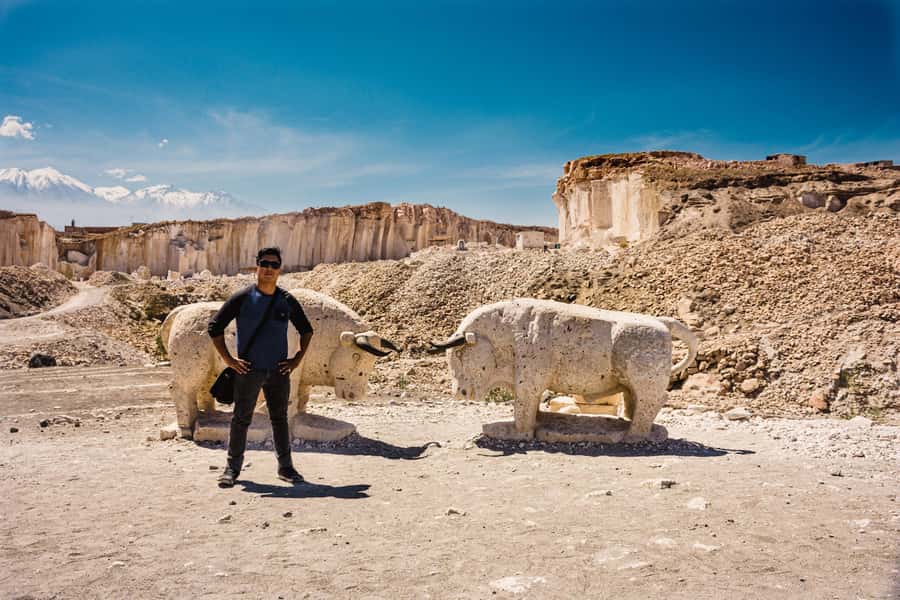
The outing begins at about 9:15 am, with a drive away from central Arequipa. Before reaching the quarry, the vehicle stops at a strategic viewpoint where you can see the volcanoes and the Chilina Valley.
This short stop helps you understand the setting. Arequipa is not just a colonial center of white stone. Its buildings sit within a dramatic volcanic region, and the pale sillar used in the city is connected to that wider natural setting.
Depending on the season, the guide may substitute another traditional viewpoint at the start of the route. The exact viewpoint is not fixed, so you should think of this as a flexible photo and orientation stop rather than a guaranteed named attraction.
The stop is brief, but it adds useful context before the quarry visit. If the volcanoes are visible, you get a strong contrast between the wide views outside the city and the confined stone walls you will see later.
Reaching Añashuayco after about 45 minutes
The drive to Añashuayco takes roughly 45 minutes. That timing matters when planning the rest of your day. The excursion is sold as four hours, and the return to central Arequipa is scheduled for around 1:30 pm, so you still have most of the afternoon available.
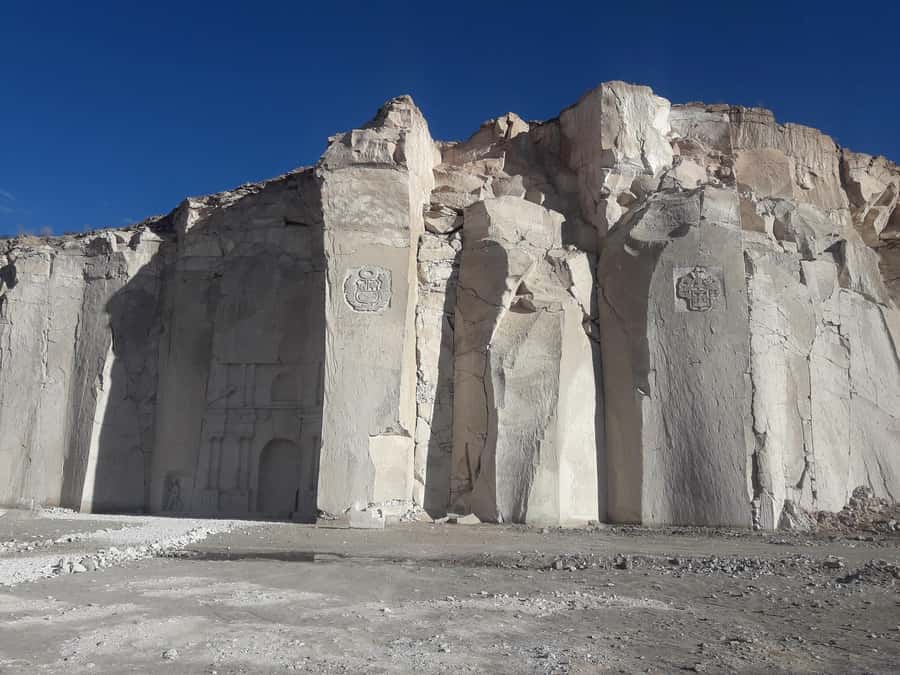
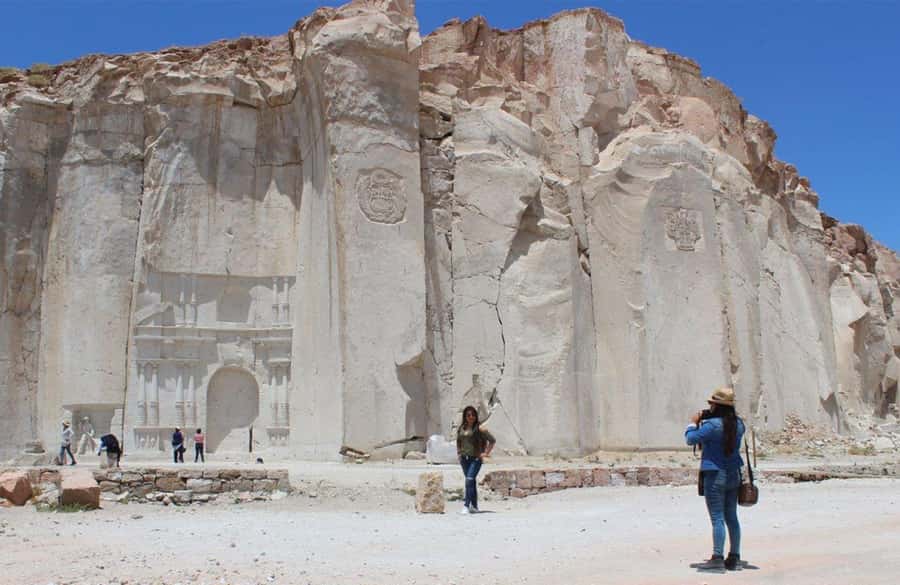
At the quarry, the first thing you notice is scale. Extraction has created immense walls of ignimbrite, with cliffs rising several meters above the working areas. The route is not about a polished museum display. It is an active place where quarrymen shape the stone used in construction and decoration.
Your guide explains how sillar is produced and how it has traditionally been used. The best part is the connection between the material in front of you and the buildings you have already seen in Arequipa. A city visit may show you the finished churches. Here, you see the blocks before they are transported, fitted, and carved.
Conditions are likely to be practical rather than luxurious. This is a quarry, not a purpose-built attraction. Wear shoes suited to an outdoor stop, and bring protection from the sun. The provided information does not specify the walking surface or shade, so you should be ready for a basic industrial site.
Meeting a stonemason and trying the work
A particularly useful feature is the chance to visit one of the stonemasons. The worker can explain what a normal day involves, then let you try cutting one of the stone blocks yourself.
That short hands-on moment gives the craft some weight. It is one thing to hear that sillar is cut by hand. It is another to handle the material and understand that shaping a block requires care and effort. You should not expect a full workshop class, but you do get a small taste of the work.
This is also where the tour feels most connected to living culture. The quarry is not only a geological site or a backdrop for photographs. People still work there, and their skills help maintain a tradition linked to Arequipa’s buildings.
The guide is available in Spanish or English, which makes the explanations more useful if you do not speak Spanish. No individual guide names are provided, so you should book this as a guided language service rather than expect a particular named guide.
Same base, a completely different day in the Andes:
- Cusco: Humantay Lake Tour with Breakfast and Buffet Lunch
★ 4.9 · 2,976 reviews - From Cusco: Sacred Valley & Maras Salt Mines Tour with Lunch
★ 4.8 · 2,227 reviews - From Cusco: Moray, Maras Salt Mines & Chinchero Weavers Tour
★ 4.8 · 1,925 reviews - From Cusco: Full-Day Group Tour of Machu Picchu
★ 4.7 · 1,767 reviews
The giant Church of the Society of Jesus carving
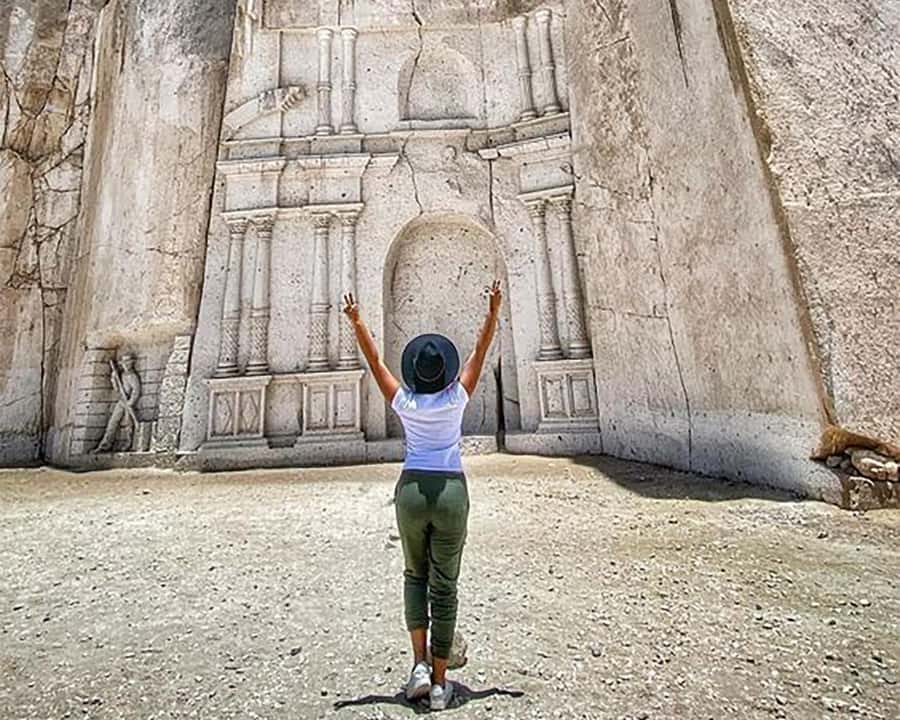
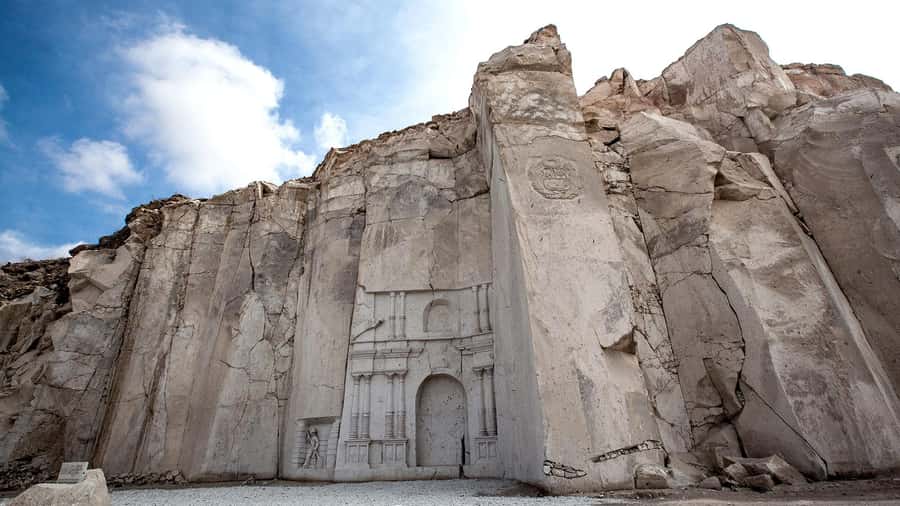
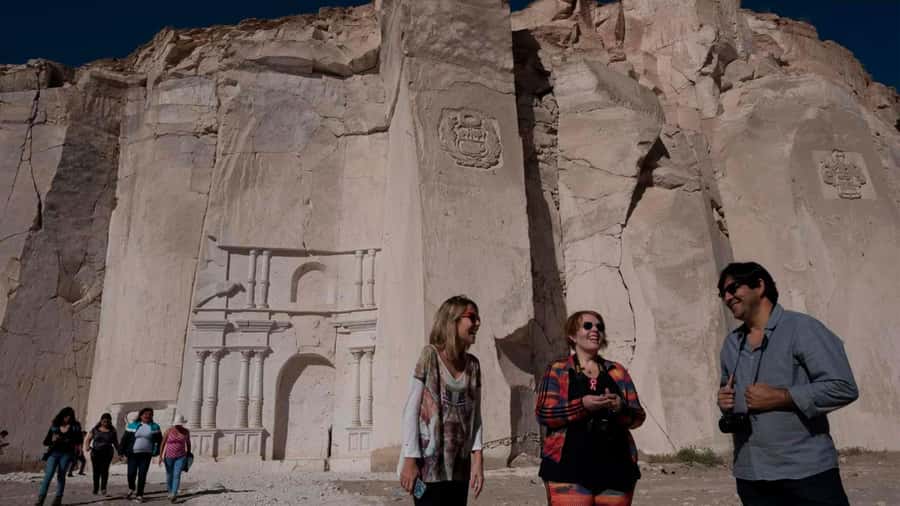
Within Añashuayco, you can see a large carving of the Church of the Society of Jesus. Local stonemasons made it from the same kind of material that shaped Arequipa’s religious architecture.
This is a smart stop because it gives the quarry a clear visual reference. The stone walls show the source, while the church carving shows the finished artistic potential. You can compare rough extraction with detailed work, all in one place.
The carving also adds interest for anyone who has visited the Church of the Society of Jesus in Arequipa. Even without a detailed architectural background, you can see how sillar changes from a rough block into an ornate form.
Do not expect the quarry portion to feel like a major archaeological site. Its appeal is practical and cultural: active stonework, large cut walls, explanations, and the carving. If you prefer grand interiors, formal museums, or long historical tours, this stop may feel more modest. If you enjoy seeing how a place works, it earns its place on the route.
Walking into Culebrillas canyon
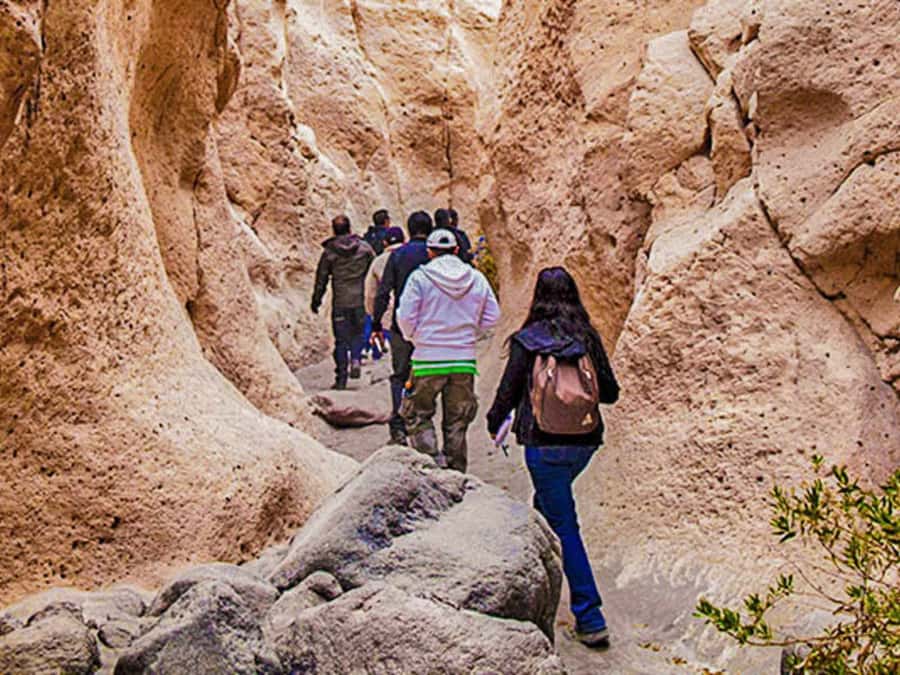
From Añashuayco, the vehicle continues for about 30 minutes to Quebrada de Culebrillas. The visit includes a walk of roughly 20 minutes inside the narrow canyon.
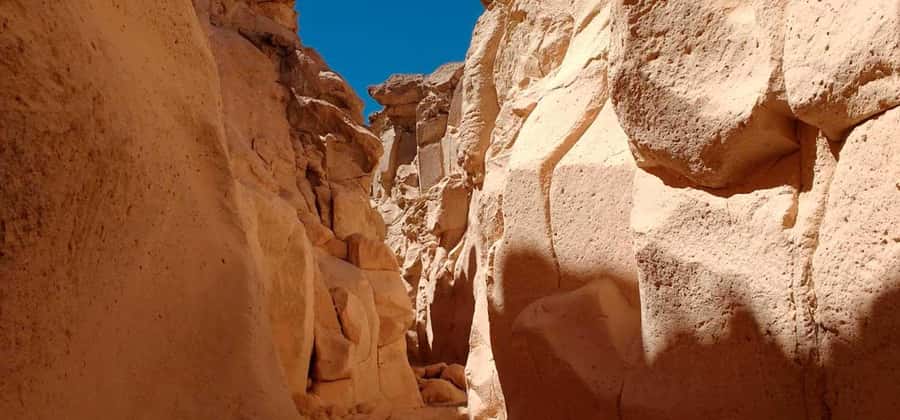
Culebrillas was formed by the passage of water. Its walls rise about 15 to 20 meters, and they become taller as you move farther in. That gradual change makes the walk more interesting than a simple roadside viewpoint. You begin in an open area, then enter a tighter corridor of stone.
The walk is short, but the canyon gives the excursion a different mood. Añashuayco is about human labor and extraction. Culebrillas is about water shaping the rock over time. The two stops work well together because they show different forces at work on the same broad setting.
The description does not give a difficulty rating or detailed trail information. I would treat it as a short outdoor walk rather than a demanding hike, but you should still wear comfortable footwear. The canyon walls can make the space feel enclosed, especially as you go deeper.
This is also the point where you should slow down. A 20-minute walk can pass quickly if you rush for photographs. Look up at the changing walls, then pay attention to the details at ground level and along the rock faces.
Finding Wari petroglyphs more than 1,000 years old
At the end of the canyon walk, you can see petroglyphs attributed to the Wari culture and dated more than 1,000 years ago. They add an archaeological layer to an outing that begins with modern quarry work.
The carvings are not presented as a large museum collection. They are part of the canyon setting, so your guide’s explanation matters. Ask the guide to point out the petroglyphs and explain what is known about them. The information provided does not specify their exact designs, size, or condition, so keep expectations realistic.
Their value comes from the setting. You are seeing marks left in the rock within the canyon itself, not just a photograph on a display board. That makes the stop feel tied to place, even though the walk and viewing time are fairly brief.
Because the full excursion lasts only half a day, the petroglyph visit is necessarily compact. You will not get an extended archaeology lecture. Instead, you get a concise look at a much older chapter of the Arequipa region before returning to the city.
Apachetas and the return to Arequipa
Before heading back, the route includes apachetas. These are stones placed one on top of another. Here they are described as a sign of gratitude toward nature and as a good-luck attraction that can create a mystical feeling.
This is a small detail, but it gives the final stop a local cultural note. After seeing industrial stone extraction and ancient rock carvings, you finish with a present-day practice connected to nature and belief.
The itinerary begins the return at about 12:30 pm, arriving in central Arequipa near the Plaza de Armas around 1:30 pm. The schedule leaves a little room for transport time, though the advertised duration is four hours and the listed timetable adds up to about four hours and 15 minutes from the morning departure.
There is also a 2:00 pm departure shift. That option may suit you if you prefer a later start, but the supplied schedule does not state the exact return time for that shift. Confirm the timing before booking if you have a dinner reservation, bus departure, or afternoon flight.
Transport, pacing, and the practical trade-offs
Tourist transport and a professional guide are included. That makes this an easy way to reach both sites without arranging separate taxis or trying to connect rural stops yourself.
The main practical concern is group pacing. One passenger reported delays while the vehicle waited for other members of the group. Shared transport can keep the price low, but it also means your departure and return are not entirely under your control.
A second concern is vehicle comfort. One recent passenger reported that the bus did not have air conditioning. Arequipa’s conditions vary by season, so this may matter more on a warm day. Bring water and dress for the weather, since you may spend time outside at both the quarry and canyon.
The tour’s reported rating is 4.1 from four pieces of feedback, with especially positive comments about organization and the guide’s kind manner. That suggests the human side of the outing can be a strength, while transport conditions and waiting time deserve attention.
The free cancellation policy allows you to cancel up to 24 hours before departure for a full refund. You can also reserve now and pay later, which helps if you are still adjusting a Peru itinerary.
Who will get the most from this four-hour outing
I would choose this excursion if you want to understand Arequipa through its materials and local work. It suits you particularly well if you enjoy short walks, craft demonstrations, geology, cultural traditions, and archaeological details.
It is also a good fit for a first visit when your schedule is tight. You see a viewpoint, a working quarry, a stone carving, a canyon, petroglyphs, and apachetas without giving up a full day.
Families may appreciate the variety, especially the chance to try cutting stone. The walk is short, but the tour data does not provide accessibility details, so ask the provider if you need specific information about surfaces, steps, or mobility support.
You may want a different experience if you dislike shared transport, need a strict timetable, or expect air-conditioned comfort. You should also choose another outing if your main goal is a long hike or a detailed archaeological tour. This route gives you several compact stops rather than one place explored at length.
Should you book the Sillar and Culebrillas Route?
Book it if you want the story behind Arequipa’s white buildings, not just photographs of them. The working quarry, hands-on stone cutting, and large church carving give the first half real purpose, while Culebrillas adds a short walk, Wari petroglyphs, and apachetas.
At $14 plus 10 soles in entrance fees, the price is fair for included transport and a Spanish or English-speaking guide. Go in with sensible expectations: shared transport may run late, and the bus may not have air conditioning.
For the best fit, reserve the morning shift if you want your afternoon free in Arequipa. Choose the 2:00 pm departure only after confirming its return time. If those small transport trade-offs are acceptable, this is an affordable way to see the working, cultural side of the city beyond the Plaza de Armas.
FAQ
Where does the excursion take place?
The excursion visits the Sillar Route in the Arequipa Region of Peru, including the Añashuayco quarries and Quebrada de Culebrillas.
How long does the tour last?
The activity is described as lasting four hours. The morning schedule begins at about 9:15 am and returns to central Arequipa near the Plaza de Armas around 1:30 pm.
What time does the morning tour start?
The morning departure begins at approximately 9:15 am.
Is there an afternoon departure?
Yes. A 2:00 pm shift is also available. The provided information does not state its exact return time.
What languages are available?
The live guide is available in Spanish and English.
What is included in the price?
Tourist transport and a professional guide are included.
Are entrance fees included?
No. The entrance ticket costs 10 soles and is paid separately.
Can I cancel the booking?
Yes. You can cancel up to 24 hours in advance for a full refund. The activity also offers reserve-now, pay-later booking.
Just added around Cusco
- Cusco: Via Ferrata, Skybike, and Rappel Adventure★ 5.0 · 3 reviews
- From Cusco: Maras and Moray and Ollantaytambo Tour★ 5.0 · 3 reviews
- Cusco: Sacred Valley Day Trip with Maras & Moray Salt Mines★ 5.0 · 3 reviews
- Valle Sur Cusco | half day★ 4.3 · 3 reviews
- Cusco: Rainbow Mountain Tour at Sunset Without the Crowds★ 4.7 · 3 reviews
- IN MACHU PICCHU: Private Tour Guide Service★ 5.0 · 3 reviews
- Salkantay trek to Machu Picchu – 5D/4N – Premium★ 3.3 · 3 reviews
- Full-Day Condor Viewpoint & Inca Sites Tour★ 5.0 · 3 reviews
Day Trips, compared.
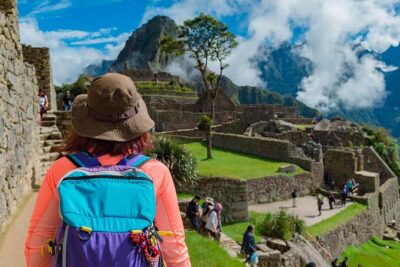
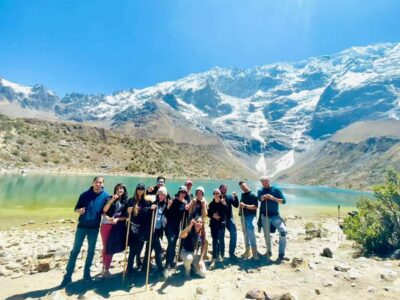
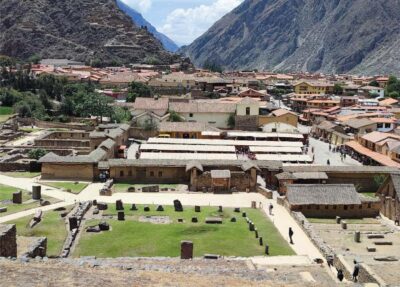
2-Day Trip to the Sacred Valley and Machu Picchu
Read our review →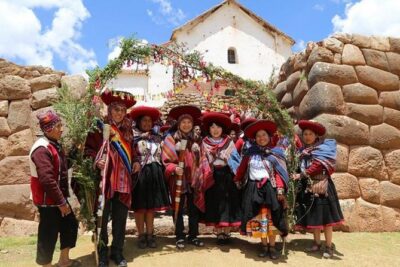
Full-Day Excursion to Sacred Valley, Pisac and Ollantaytambo from Cusco
Read our review →
Excursion to MachuPicchu from Cusco with lunch | Private Service|
Read our review →
Excursion to Sacred Valley Full Day & Buffet Lunch |Group Tour|
Read our review →
Excursion to Ausangate & 7 lakes with Coca Ceremony |Private|
Read our review →Browse the lists this tour appears in