
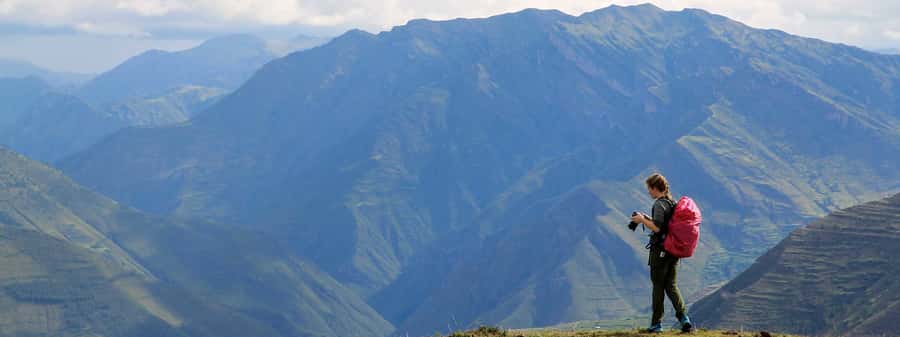
Reviewed · WAQRAPUKARA AND PALLAY PUNCHU TREKS
From Cusco: Waqrapukara Hike Full-Day Tour With Meals
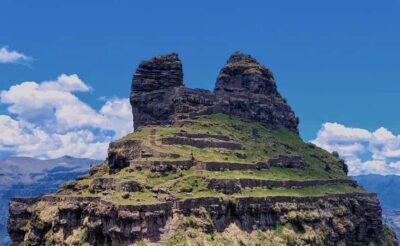
Waqrapukara is the sort of place that makes you stop talking. An Inca site sits high above the Apurimac River, built around a huge rock formation shaped like two stone horns. The setting is the main event, and the long drive helps keep the crowds away.
I like the way this trip pairs Waqrapukara with the four lagoons of Acomayo and Qenterococha Lagoon. I also like that breakfast, lunch, transport, a guide, and first-aid equipment are covered. The catch is the length: 13 to 14 hours is a serious day, and the entrance fee is not included.
In This Review
- Key points to know before booking
- Why Waqrapukara feels different from Cusco’s famous ruins
- The early drive to Acomayo’s four lagoons
- Breakfast beside Qenterococha Lagoon
- Hiking toward the stone horns
- Exploring the Waqrapukara Archaeological Complex
- Lunch above the Apurimac River
- Returning by a gentler route
- What the $119 price really covers
- Guides, communication, and the small administrative risk
- Who should book this day in the Andes
- Should you book the Waqrapukara hike?
- FAQ
- How long does the Waqrapukara tour take?
- What meals are included?
- Is hotel pickup included?
- Where does the tour finish?
- Are entrance fees included in the price?
- What languages can the guide speak?
- Can I cancel or pay later?
Key points to know before booking
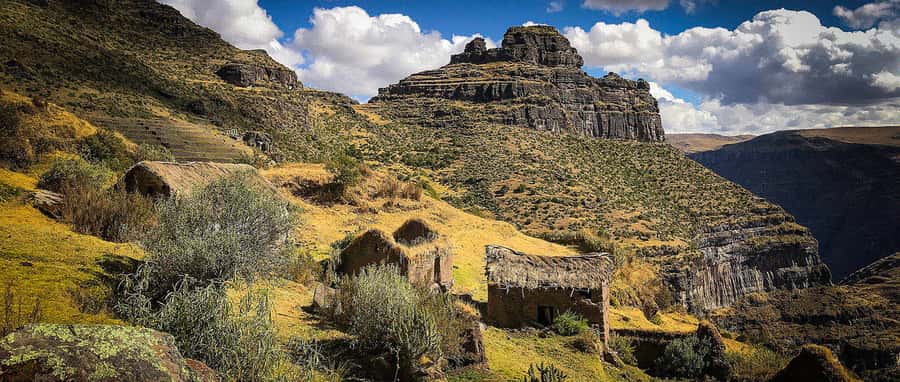
- The four Acomayo lagoons add a scenic opening: You get more than a hike, with stops in Cusco Region’s high Andes before reaching the trail.
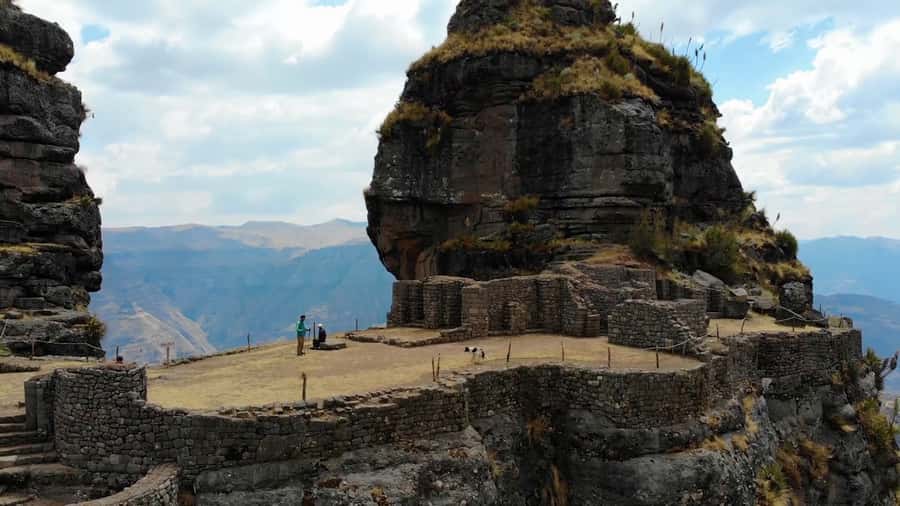
- Waqrapukara is built around a striking rock formation: The ruins cling to a horn-shaped outcrop above the Apurimac River valley.
- The hike uses two different routes: You walk in to the archaeological complex and return by an easier path with new views.
- Meals are included at useful points: Breakfast comes before the hike, and a boxed lunch is served near the Apurimac River viewpoint.
- The day suits active visitors who want fewer crowds: It is a remote, full-day outing rather than a quick photo stop.
- A guide can speak Spanish, English, or Quechua: Private and small-group arrangements are available.
Why Waqrapukara feels different from Cusco’s famous ruins

Cusco has no shortage of celebrated archaeological sites. Waqrapukara offers something else: space, height, and a sense that the mountains are doing as much of the storytelling as the masonry.
The site is in Acomayo Province, away from the busiest tourist routes. Its name is linked to the distinctive horn-like rock formation, and that shape gives the ruins their drama. Stone structures sit on and around the formation, with the Apurimac River far below.
I would choose this outing if you have already seen Cusco’s better-known sites and want a day outdoors. The payoff is not a polished visitor complex with many facilities. It is the combination of a demanding road journey, a mountain walk, scattered ruins, and broad views into the canyon.
You should also set your expectations correctly. Waqrapukara is not a short stroll from Cusco. The drive takes about three hours before the hike begins, and the complete day can reach 14 hours. That is a lot of time on the road and trail, but it is also why the place feels removed from the standard sightseeing circuit.
More Waqrapukara and Pallay Punchu hikes:
- 1 day excursion to Waqrapukara
★ 4.5 · 23 reviews - “Waqra Pucara, The Majestic Fortress Revealing Secrets of the Andes”.
★ 3.5 · 8 reviews - Waqrapukara 1 day trekking + meals
★ 3.9 · 3 reviews
The early drive to Acomayo’s four lagoons
Pickup begins in Cusco, with hotel collection available. You should wait in your hotel lobby about 10 minutes before the scheduled time, then settle in for roughly a 2.5-hour drive toward Acomayo Province.
This first section is not dead time. You pass through high Andean country and stop to see four lagoons in the Acomayo area. The tour information does not assign a long visit to each lagoon, so think of these as scenic pauses rather than a separate lake excursion.
I like this part because it eases you into the day. You are not dropped straight at a trailhead and told to climb. The lagoons give you a chance to see the broad mountain setting before Waqrapukara becomes the focus.
Still, the road time matters. If you do not enjoy long drives, this trip may test your patience. Bring water, sun protection, and something comfortable for the vehicle. The total duration is listed as 13 to 14 hours, so an early start and a late return are part of the bargain.
Breakfast beside Qenterococha Lagoon
After the Acomayo stops, the vehicle continues for about 30 minutes to Qenterococha Lagoon. Here you eat breakfast for about an hour before starting the hike.
That meal is well timed. You have already spent several hours traveling, and the walk to Waqrapukara is not something to begin hungry. Breakfast is described as nutritious, though the exact menu is not provided. If you have specific dietary needs, ask the provider before the trip rather than counting on changes at the last minute.
The schedule also lists Cusipata District as the breakfast stop, while the fuller description places breakfast at Qenterococha Lagoon. These may refer to the same general section of the route, but the exact stop can vary. If the location matters to you, confirm it when booking.
Qenterococha is more than a meal stop. It gives you a final pause beside mountain water before the trail begins. Use the time to adjust your layers, apply sunscreen, and make sure your camera and phone are ready.
Hiking toward the stone horns
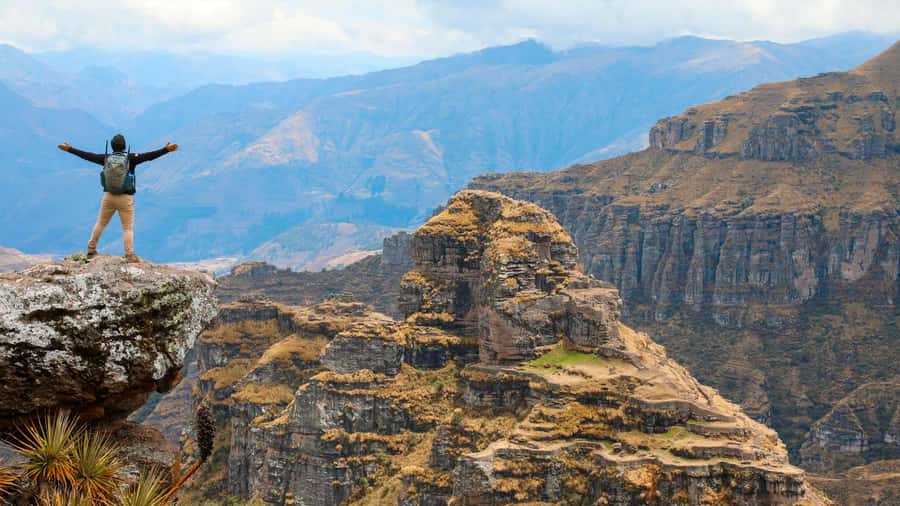
The walk to Waqrapukara is listed as about one hour each way in the itinerary. The route description also calls this a full-day trek, so your total time outdoors includes pauses, guiding, photography, and time at the ruins.
Your guide points out local flora and wildlife along the way. No specific species are promised, which is useful to remember. You might spot plants or animals adapted to the high Andes, but the real attraction is the changing view toward the rock formation and river valley.
Bring proper hiking shoes. The supplied advice also calls for sunglasses, a hat, sunscreen, and rain gear. That is a sensible list for exposed mountain walking. Rain gear matters even if the morning begins clear, and a hat is useful because there may be little shade on the open route.
The tour is not described as suitable for pregnant women, people with heart problems, or anyone over 70. That does not replace personal medical advice, but it tells you how the operator views the physical demands. If you have concerns about altitude, exertion, or a heart condition, speak with a doctor and the tour provider before reserving.
More treks starting in Cusco:
- Cusco: 4-Day Inca Trail to Machu Picchu with Accommodation
★ 4.8 · 432 reviews - From Cusco: 7 Lakes Ausangate Trek with Breakfast and Lunch
★ 4.8 · 360 reviews - Cusco: Machu Picchu 2-Day Inca Trail with Panoramic Train
★ 4.9 · 260 reviews - From Cusco: 2-Day Inca Trail to Machu Picchu
★ 4.2 · 244 reviews
Exploring the Waqrapukara Archaeological Complex
At the complex, the guide leads a tour of about one hour. After that, you get time to explore independently, take photographs, and look closely at the site without having to stay beside the group every minute.
This balance works well. A guide can explain what you are seeing and help you understand how the ruins relate to the rock formation. Then you can slow down and take in the view at your own pace.
The most memorable feature is the giant stone outcrop, shaped like horns and covered with ruins. It rises above a river valley in a setting that feels almost theatrical, but the place is not presented as a stage-managed attraction. The appeal comes from the raw position of the site and the distance from major tourist centers.
You will want a camera here, but allow time to put it away. The broad views toward the Apurimac River and surrounding mountains are easy to reduce to a few pictures, yet the scale is better understood by standing still. The complex is a good place to notice the relationship between stonework, cliff edges, and the river far below.
The guide languages are Spanish, English, and Quechua. Private and small-group options are available, which can make a difference at a site where you may want extra time for photographs or questions. One named guide associated with this experience is Margot, who has been praised for being informative and pleasant. Guide assignments can change, so do not assume she will lead your departure unless that is confirmed.
Lunch above the Apurimac River
The boxed lunch is served at the Apurimac River viewpoint. This is a practical arrangement, but also one of the best moments of the day. You eat while looking into the canyon, rather than returning to the vehicle for a meal.
The exact box contents are not stated. Treat it as a provided trail lunch, not a restaurant meal. If you have allergies or need a special diet, ask ahead. It is also wise to carry extra water and a small snack, since breakfast and lunch are the only meals specifically included.
A viewpoint lunch sounds romantic, but the setting may be exposed to sun, wind, or changing weather. Bring the hat and rain layer listed in the packing advice. You will be happier focusing on the view if you are not trying to shelter your sandwich from a sudden shower.
Returning by a gentler route
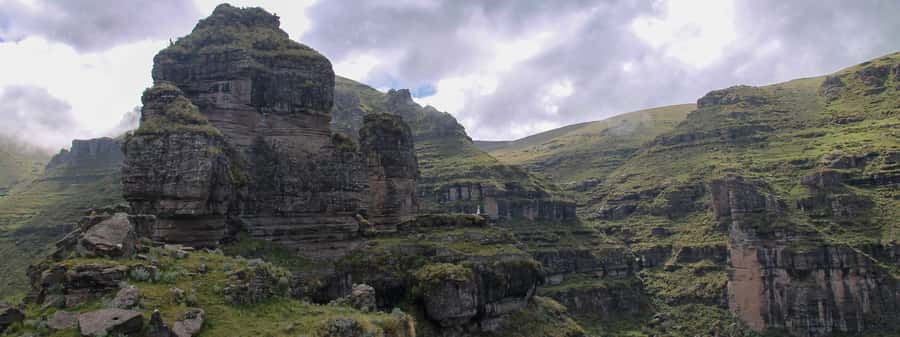
After lunch, you begin the walk back to the trailhead on a different route. It is described as easier and offers new views of the Apurimac Canyon and steep drops.
That route choice is a real advantage. You do not simply retrace the same hour of walking, and the change gives your legs a break after the main visit. It also keeps the return visually fresh, which matters on a long day when tiredness begins to creep in.
The mention of abysses is a reminder to take the trail seriously. Stay with the guide, follow instructions, and avoid wandering close to edges for a photograph. The supplied information does not provide a detailed difficulty grade, trail surface description, or elevation figure, so you should not treat this as an easy sightseeing walk.
At the trailhead, a private van takes you back to Cusco. Drop-off is available at Cusco’s main square, Plaza de Armas, and there are two listed drop-off locations. Confirm the exact point if you need to connect with a hotel or evening plan.
What the $119 price really covers
At $119 per person, this is not just an entrance ticket and a short transfer. The cost includes hotel pickup, transport back to Cusco, a guide, breakfast, a boxed lunch, and a first-aid kit with oxygen.
That bundle has clear value. The destination is far from Cusco, so arranging transport alone would take work. Meals also remove two practical problems on a remote day. The first-aid kit and oxygen are reassuring, although they should not be mistaken for a substitute for choosing a hike that matches your health and fitness.
The entrance fee is extra. The amount is not supplied, so budget for it separately and confirm the current charge before departure. Since the tour price does not include admission, the final cost will be higher than the headline figure.
Private or small-group options may improve the experience, especially if you care about pace and photography. A larger shared group could be less flexible, though the site’s lower visitor numbers may reduce the usual crowd problem. The available rating is 3.7 from three reviews, which is a small sample. I would read that as a reason to focus on the clear strengths and practical caveats, not as a final verdict on every departure.
Guides, communication, and the small administrative risk
The guide is central to this outing. Waqrapukara is more rewarding when someone explains the ruins, identifies plants and wildlife, and keeps the walking schedule moving.
Spanish, English, and Quechua guiding is available. A past booking specifically praised Margot, so if you have a strong preference for her, request confirmation rather than assuming she will be assigned.
There has also been a communication problem with a provider before, when a question sent two days before departure received no reply. I would send important questions early and make sure you have the pickup time, meeting point, entrance-fee details, and meal information confirmed. The experience can be excellent on the trail while the administration remains less polished.
Free cancellation is available up to 24 hours before departure, and you can reserve now and pay later. Those terms help if your Cusco plans may shift, but check the conditions shown for your exact booking before paying.
Who should book this day in the Andes
I would recommend this tour to you if you want a remote archaeological site, strong mountain views, and a full day outside Cusco. It is especially suitable if you enjoy walking and prefer a quieter setting to the city’s famous attractions.
It may also fit photographers and repeat visitors who want a distinctive subject. The horn-shaped rock, ruins, canyon, lagoons, and river viewpoint offer more variety than a simple out-and-back walk.
I would be cautious if you dislike long vehicle journeys, struggle with exposed trails, or need a precise schedule after returning to Cusco. The 13 to 14-hour duration leaves little room for a relaxed evening plan.
Pack hiking shoes, sunglasses, a hat, sunscreen, rain gear, and a camera. Add water and any personal medication you need. The tour supplies first aid and oxygen, but you remain responsible for judging if a high-Andes hike is right for you.
Should you book the Waqrapukara hike?
Book it if the idea of reaching an unusual Inca site by trail appeals more than ticking off another easy attraction. The best parts are clear: Waqrapukara’s dramatic horn-shaped rock, the four Acomayo lagoons, a quieter setting, two route options, and meals that make a remote day easier.
Skip it if your priority is comfort, a short transfer, or a tightly controlled schedule. The long drive, extra entrance fee, demanding day, and occasional communication hiccup are real considerations.
For the right person, $119 is a fair package for transport, guiding, breakfast, lunch, and a rare mountain setting. Confirm the pickup details, entrance cost, group format, and dietary arrangements before booking, then go prepared for a long and memorable day.
FAQ
How long does the Waqrapukara tour take?
The full experience lasts about 13 to 14 hours, including transportation from Cusco, the lagoon stops, breakfast, hiking, the guided visit, lunch, and the return journey.
What meals are included?
Breakfast and a boxed lunch are included. Breakfast is served near Qenterococha Lagoon, and lunch is eaten at the Apurimac River viewpoint.
Is hotel pickup included?
Hotel pickup in Cusco is included. You should wait in your hotel lobby 10 minutes before the scheduled pickup time.
Where does the tour finish?
Drop-off is available in Cusco, including Cusco’s main square, Plaza de Armas. Two drop-off locations are listed for the return.
Are entrance fees included in the price?
No. Entrance fees are not included, and the provided tour information does not state the current admission price.
What languages can the guide speak?
Guiding is available in Spanish, English, and Quechua.
Can I cancel or pay later?
You can cancel up to 24 hours before the activity for a full refund. Reserve now and pay later is also available, subject to the booking conditions shown when you reserve.
Just added around Cusco
- Cusco: Via Ferrata, Skybike, and Rappel Adventure★ 5.0 · 3 reviews
- From Cusco: Maras and Moray and Ollantaytambo Tour★ 5.0 · 3 reviews
- Cusco: Rainbow Mountain Tour at Sunset Without the Crowds★ 4.7 · 3 reviews
- Cusco: Sacred Valley Day Trip with Maras & Moray Salt Mines★ 5.0 · 3 reviews
- Valle Sur Cusco | half day★ 4.3 · 3 reviews
- IN MACHU PICCHU: Private Tour Guide Service★ 5.0 · 3 reviews
- Salkantay trek to Machu Picchu – 5D/4N – Premium★ 3.3 · 3 reviews
- Full-Day Condor Viewpoint & Inca Sites Tour★ 5.0 · 3 reviews
Waqrapukara and Pallay Punchu Treks, compared.
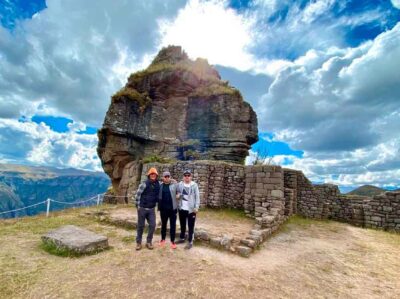
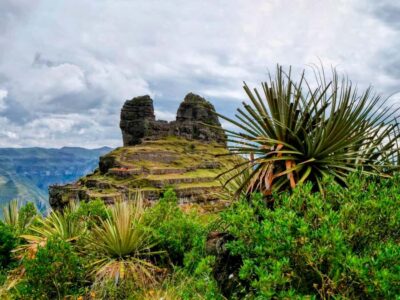
“Waqra Pucara, The Majestic Fortress Revealing Secrets of the Andes”.
Read our review →
Browse the lists this tour appears in