
Reviewed · MANU AND AMAZON JUNGLE TOURS
From Cusco: Manu National Park 3 Day Tour
The star of this three-day trip is the Andean cock-of-the-rock, Peru’s national bird. In the cloud forest, you’ll learn about its courtship ritual, where males gather and show off their bright plumage. Later, the scenery shifts from mountain valleys to rainforest riverbanks, with parrots, toucans, caimans, monkeys, and butterflies all possible sightings.
I like the way this tour combines wildlife with local culture, including Lupaca tombs, Paucartambo’s museum, a coca plantation, and a rescue center. I also like the clay lick visit, a rare chance to watch several parrot species eat mineral-rich clay. The main drawback is the long road journey from Cusco, plus basic hostel accommodation and a schedule that can feel rushed.
In This Review
- Key points to know before booking
- From Cusco valleys to Manu’s cloud forest
- Day 2: Coca, rescued animals, and the Alto Madre de Dios
- Day 3: The parrot clay lick at river level
- What the $370 price really covers
- How the guide and group setup affect the trip
- Comfort, fitness, and what to pack
- The best parts for wildlife lovers
- Who should book this Manu tour?
- FAQ
- How long does the Manu National Park tour last?
- What is included in the $370 price?
- What is not included?
- Is the tour conducted in English?
- How many people are in the group?
- Will I see the Andean cock-of-the-rock?
- What happens at the parrot clay lick?
- Are vegetarian meals available?
- What should I bring?
- Should you book it?
Key points to know before booking
- The cock-of-the-rock display is the first major wildlife highlight, set in the cloud forest among orchids, bromeliads, and ferns.
- You travel by road and river, with coach or minibus transfers, speedboats, and a one-hour kayaking session.
- The parrot clay lick requires an early start, but it gives you a close look at an unusual feeding habit.
- The trip mixes nature and culture, with Lupaca pre-Inca tombs, Paucartambo, coca farming, and animal rescue.
- The group is limited to 17 people, making the outing more personal than a large coach excursion.
- The $370 price includes transport, two nights, meals, park admission, a guide, and kayaking, but not every meal or drink.
From Cusco valleys to Manu’s cloud forest
Day 1 begins with hotel pickup in Cusco and a long road trip toward Manu National Park. You travel through valleys between the Andes Mountains, passing picturesque towns as the highland scenery gradually gives way to thicker forest.
This is not a quick transfer. You spend much of the day on the road, so I would treat the journey as part of the experience rather than a minor detail. The changing scenery is the reward. You see the country shift from mountain terrain to the humid cloud forest, where the air, plants, and wildlife begin to change.
The first cultural stop is a set of pre-Inca tombs linked to the Lupaca culture. This gives the trip a useful sense of place. You are not simply racing toward animals in the forest. You are also seeing how older Andean societies occupied and remembered this region.
You then stop in Paucartambo, a colonial city with a museum. The visit breaks up the road journey and adds cultural context before the tour moves into its strongest nature-focused section. Since the museum visit is part of a packed day, do not expect a long, leisurely museum session.
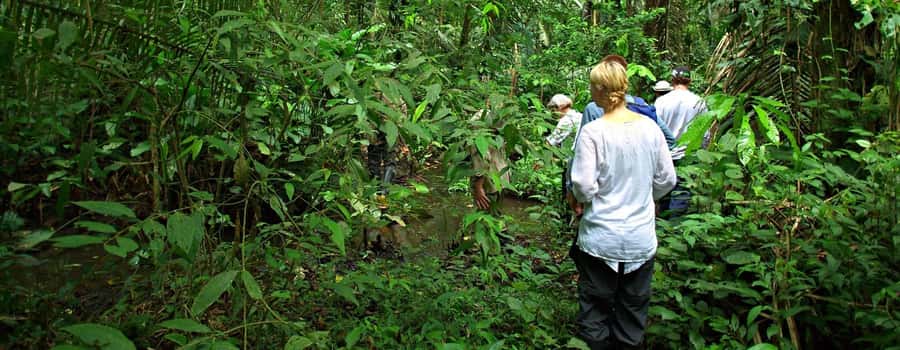
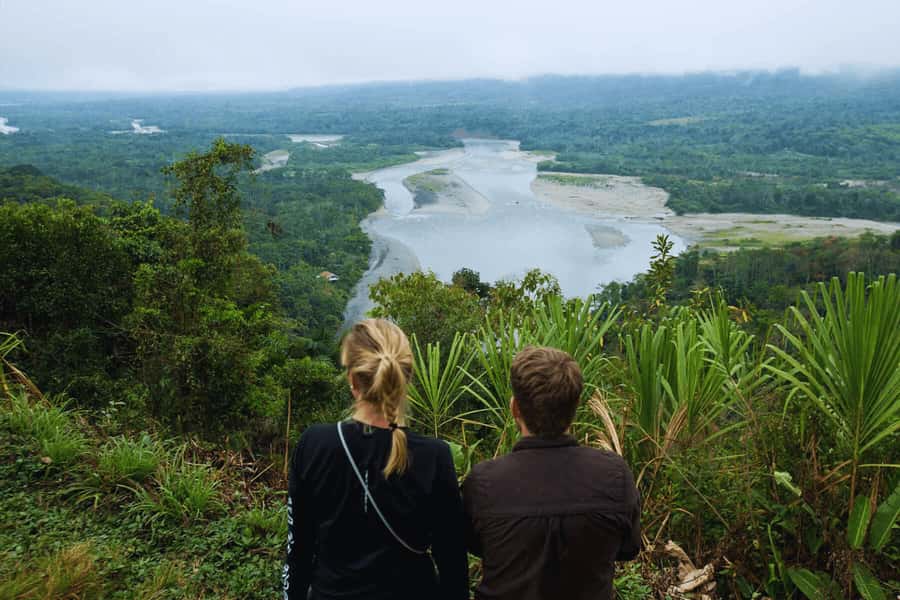
Lunch takes place in the cloud forest. This is where the trip begins to feel very different from a standard Cusco excursion. Native plants include orchids, bromeliads, and ferns, and the forest provides habitat for animals such as the Andean bear and the Andean cock-of-the-rock.
The cock-of-the-rock is the main event here. Your guide explains Peru’s national bird and its courtship ritual, a behavior that makes this more than a simple forest walk. Bring binoculars and keep your camera ready, but remember that wildlife sightings are never guaranteed.
The first night is at a hostel. The accommodation is practical rather than polished. One important point from the available feedback is that the grounds around the first overnight stop had a fair amount of rubbish. That should not define the entire trip, but it is a fair warning for anyone expecting a carefully maintained lodge.
More Manu and Amazon jungle departures:
- 4 Day Tour to the Manu National Park
★ 5.0 · 81 reviews - Manu National Park Tour 4days/3night
★ 5.0 · 69 reviews - Manu Adventure (4 Days)
★ 5.0 · 50 reviews
Day 2: Coca, rescued animals, and the Alto Madre de Dios
Day 2 starts early with breakfast, followed by a walk to look for forest wildlife. The early timing matters. Birds and other animals can be easier to spot when the forest is active, and the cooler part of the day is more comfortable for walking.
The schedule then brings you to a coca plantation. Coca has a long place in Andean life, and seeing it as a cultivated plant gives you a more grounded understanding of the region. The stop is also a reminder that the trip is not only about untouched forest. People farm, travel, and live around Manu.
Next comes a wildlife rescue center. This can be one of the more meaningful stops for visitors who want to understand conservation in practical terms. You see animals affected by human contact and learn why protecting native species involves more than simply setting aside forest.
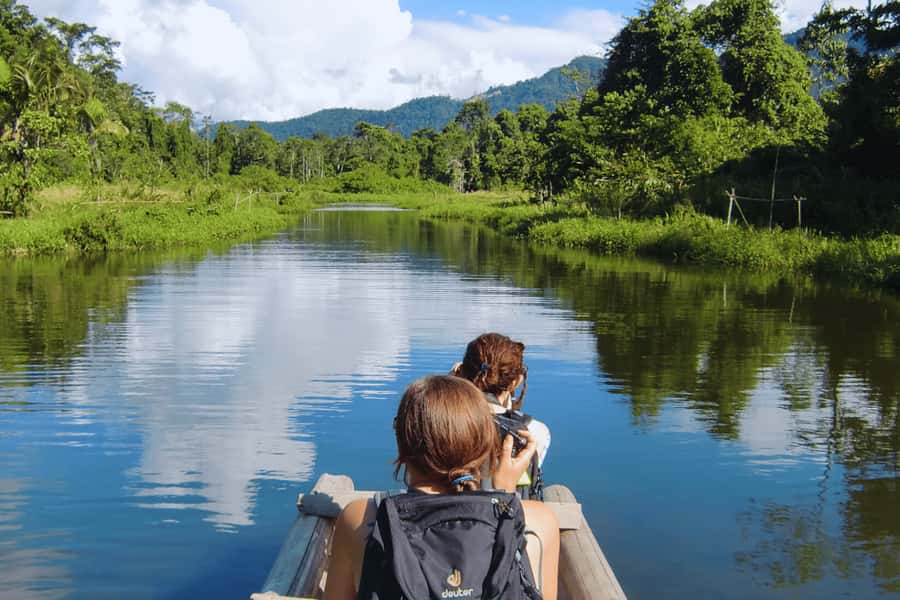
From there, you continue to Atalaya, on the banks of the Alto Madre de Dios River. The change in transport is part of the adventure. After the coach or minibus ride, you board a boat and begin a one-hour kayaking activity.
Kayaking gives you a quieter view of the river than a motorboat. You may spot herons, vultures, and cormorants, and the low position on the water can make bird watching feel more immediate. This is not described as a technical kayaking course, so you should see it as a gentle wildlife outing rather than a serious paddling challenge.
After arriving at the next hostel, you have free time. You can take a dip in the river if conditions allow, then have lunch. The chance to slow down is welcome because the first two days include plenty of road travel and scheduled stops.
Later, the group visits a swamp where toucans, woodpeckers, and parrots live. The trip then goes in search of caimans. These sightings depend on weather, light, animal movement, and patience. A guide can take you to suitable habitat, but no responsible tour can promise a particular animal on a particular day.
The second night is again in basic accommodation. Two nights are included in the price, which keeps the package simple and affordable, but this is not the right choice for someone who wants lodge-style comfort or a private room with resort amenities.
Day 3: The parrot clay lick at river level
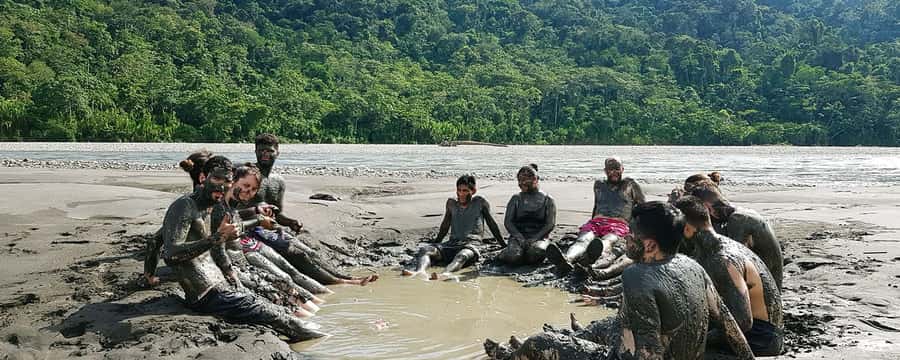
Day 3 begins early with a speedboat ride to a parrot clay lick. The clay wall sits beside the river, and different parrot species gather there to eat the clay.
This behavior is one of the most distinctive parts of the trip. The clay contains minerals that help the birds digest food and remove toxins. Watching parrots feed in a large group gives you a useful example of how rainforest animals depend on specific places and natural resources.
The early departure is worth keeping in mind when you decide if this tour suits you. You need to be ready for a morning on the river, and the wildlife experience depends on conditions at the clay lick. Bring binoculars, a camera, sunscreen, insect repellent, and rain gear. The forest can change quickly from dry to wet.
After the clay lick, you return to the hostel for breakfast. Then you board a speedboat back to Puerto Atalaya, where a coach waits for the return drive to Cusco.
Lunch is provided on the way back. You reach Cusco between 5:30 pm and 6:30 pm, making Day 3 a full travel day. I would avoid booking an evening flight, a timed train, or a major dinner reservation that depends on an exact arrival time. Weather and road conditions can affect the schedule.
What the $370 price really covers
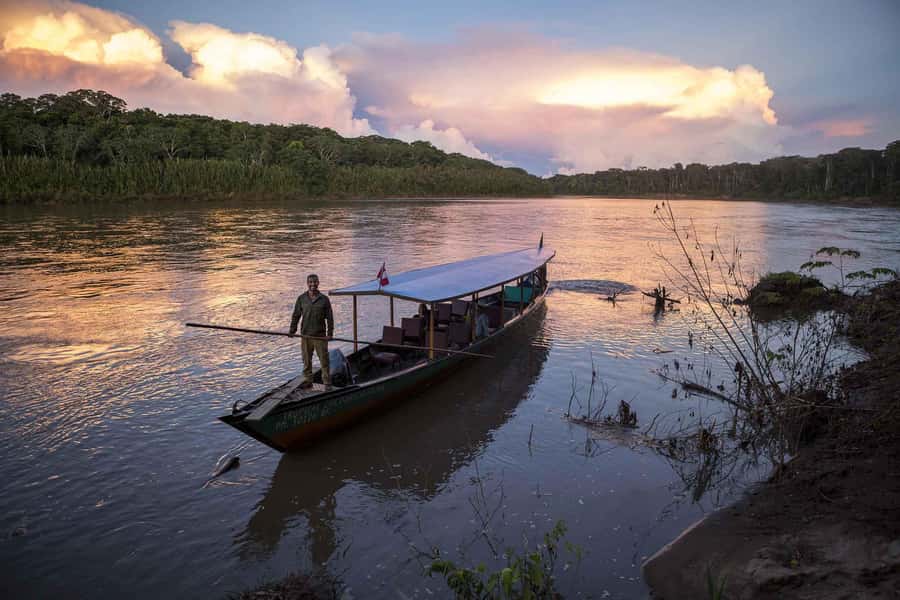
At $370 per person, this tour offers fair value if you want a compact introduction to Manu without arranging every road transfer, river ride, meal, and park ticket yourself.
The package includes hotel pickup and drop-off, transport by coach or minibus, speedboats, an English or Spanish-speaking guide, kayaking, admission to Manu National Park, two nights of accommodation, two breakfasts, two lunches, two dinners, and mineral water.
That is a substantial amount of transport for three days. The speedboat transfers alone make the price easier to understand, and park admission is already handled. The small group limit of 17 people is also useful, since a full-size bus would make wildlife stops and boat transfers less personal.
The included meals received strong praise for quality, which matters on a remote route where finding food independently would not always be simple. Vegetarian meals are available, but you should request that option in advance.
You still need to budget for breakfast on Day 1, dinner on the final day, and drinks. Mineral water is included, but you should bring a reusable bottle. Plastic bottles are not allowed, and the tour asks you not to litter.
A few more Cusco departures worth comparing
- Cochahuasi Animal Sanctuary® Admission Ticket
★ 4.5 · 74 reviews - From Cusco: 4-Day Manu National Park Guided Tour
★ 4.6 · 48 reviews - 3-Day Eco-Sustainable Private Tour Manu National Park
★ 4.5 · 41 reviews - From Cusco: Manu National Park Tour & Accommodation 3 Days
★ 4.4 · 12 reviews
How the guide and group setup affect the trip
The tour uses a live guide in English or Spanish and limits the group to 17 participants. That is a sensible size for a route involving forest walks, kayaking, boats, and wildlife stops.
The guide’s role is especially important in the cloud forest. Plant identification, bird sounds, courtship behavior, and conservation details can be easy to miss if you walk through the area alone. One strong account of the trip praised the guide’s attention to local plants, medicinal uses, birds, and the need to protect the ecosystem.
There is one practical caution. The day-to-day plan can sometimes be unclear, particularly when several transfers and stops are packed together. I would ask your guide each morning about departure time, meal location, footwear, and the next boat transfer. A simple five-minute briefing can prevent confusion.
The tour is listed as a small group, but that does not mean private. With up to 17 people, you may need to share viewing time at wildlife stops and adjust your pace to the group.
Comfort, fitness, and what to pack
This tour is active, but the bigger challenge is the combination of long road travel, early starts, forest walking, river transport, and basic lodging.
Bring comfortable shoes with good grip, light clothing, a hat, sunscreen, insect repellent, and a camera. Pack swimwear for the river, a reusable water bottle, binoculars, and waterproof rain gear. A dry bag or sealed plastic-free pouch for electronics would be sensible, though the tour specifically asks you not to bring plastic bottles.
You should also carry your passport or ID card. Weather can affect the activity, so flexibility is part of the deal. The trip is not suitable for children under three, pregnant people, wheelchair users, or people with back or heart problems.
I would not choose this tour if you need a highly predictable timetable, hotel-level comfort, or minimal time in vehicles. I would choose it if you want a short, active introduction to Manu and are comfortable with simple conditions.
The best parts for wildlife lovers
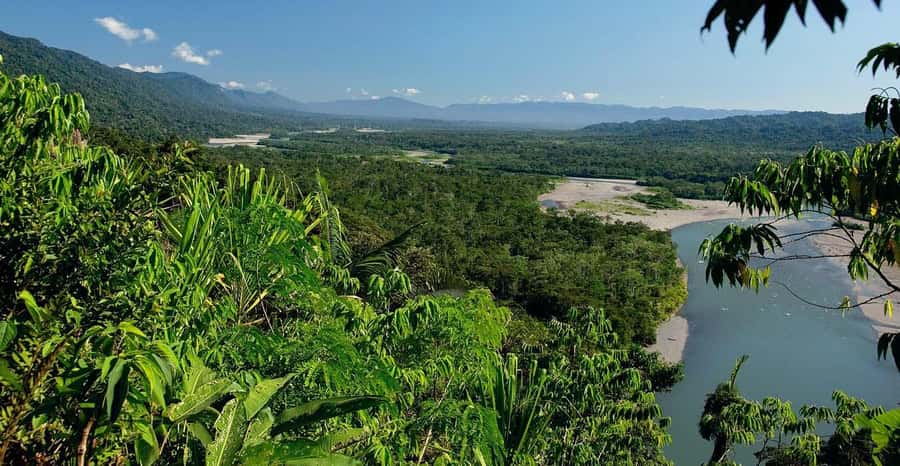
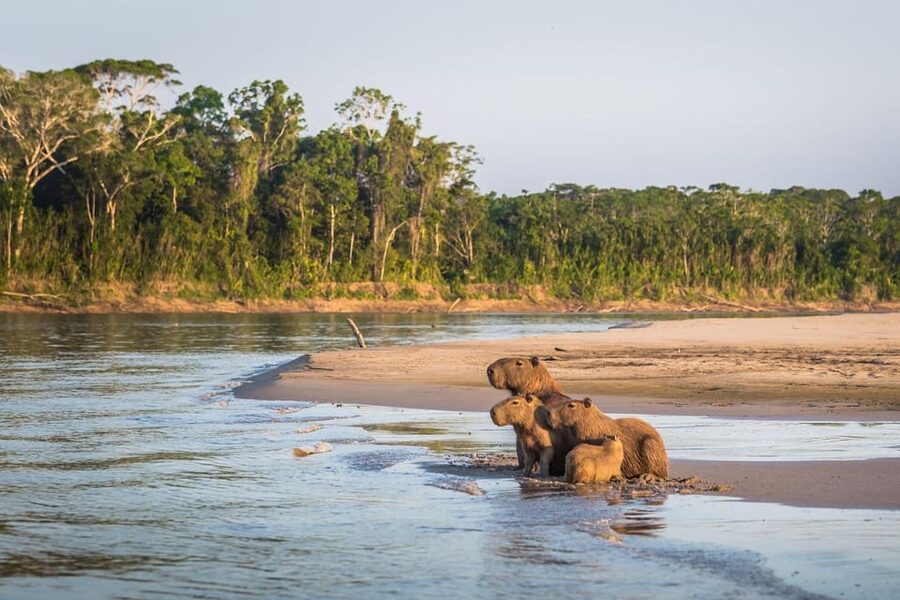
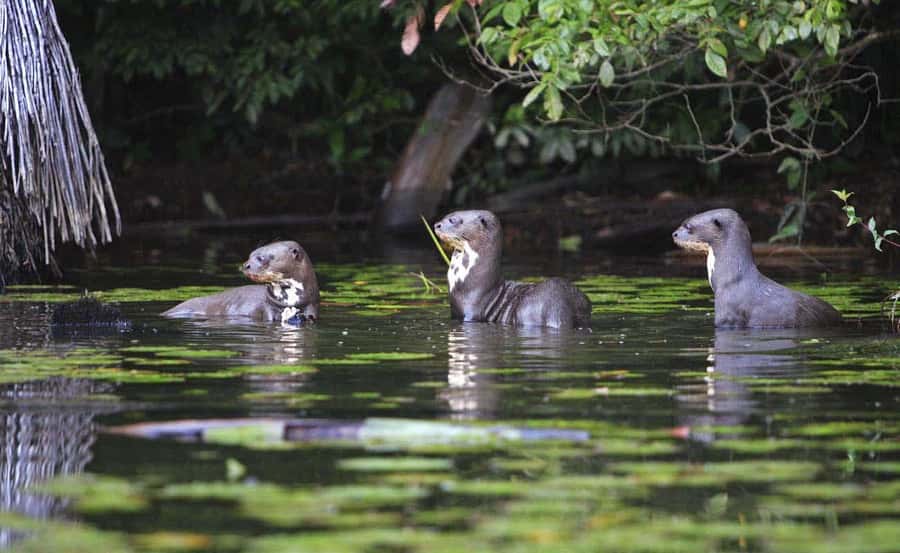
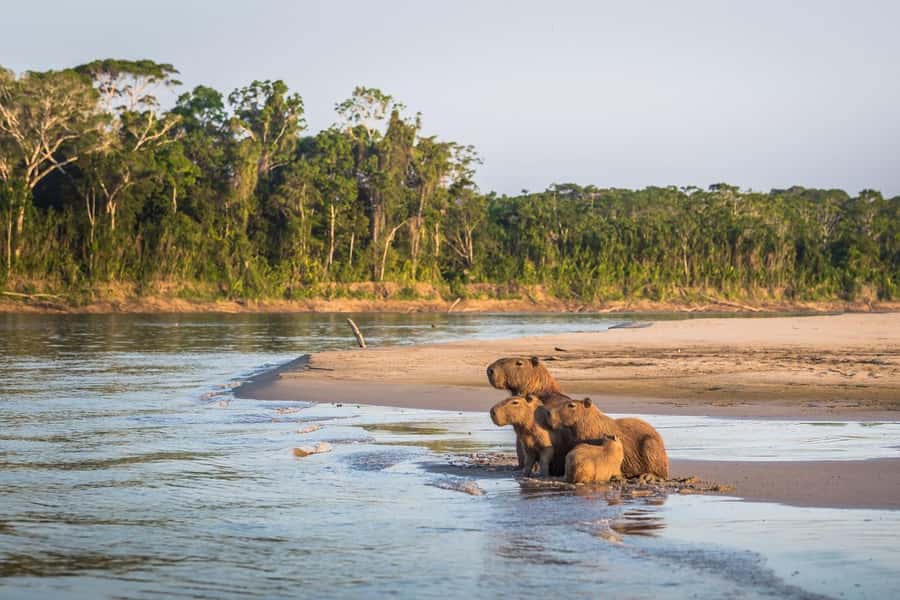
The experience works because it offers several different wildlife settings instead of repeating one type of outing. The cloud forest brings the cock-of-the-rock and plant life. The river brings water birds and kayaking. The swamp offers toucans, woodpeckers, and parrots. The clay lick provides the most unusual behavior of the trip.
You may also see monkeys, colorful birds, and large butterflies. These sightings are possible rather than promised, so patience helps. Keep your eyes moving, listen for calls, and let the guide point out animals that blend into the forest.
The trip also gives you a basic conservation story. The rescue center, protected park, medicinal plants, and clay lick all show different parts of the relationship between people, animals, and forest habitat.
Who should book this Manu tour?
I would recommend this tour to someone staying in Cusco who wants a short rainforest experience without committing to a longer lodge trip. It suits people who value wildlife and scenery more than polished accommodation.
It is also a good fit if you want several kinds of experiences in one trip: pre-Inca archaeology, a colonial town, plant and bird walks, a coca plantation, animal rescue, kayaking, caiman spotting, and a parrot clay lick.
I would be cautious if you have serious mobility, back, or heart concerns, or if you dislike early mornings and long transfers. Families with very young children should also choose another outing.
The main strengths are organization, strong food, varied stops, and the chance to reach Manu’s cultural zone from Cusco in only three days. The trade-offs are basic hostels, a busy schedule, and occasional uncertainty about the exact plan.
FAQ
How long does the Manu National Park tour last?
The tour lasts three days and two nights. You return to Cusco on Day 3 between 5:30 pm and 6:30 pm.
What is included in the $370 price?
The price includes hotel pickup and drop-off, coach or minibus transport, speedboat transport, an English or Spanish-speaking guide, kayaking, Manu National Park admission, two nights of accommodation, two breakfasts, two lunches, two dinners, and mineral water.
What is not included?
Breakfast on the first day, dinner on the final day, and drinks are not included.
Is the tour conducted in English?
Yes. Live guiding is available in English and Spanish.
How many people are in the group?
The tour is limited to 17 participants.
Will I see the Andean cock-of-the-rock?
The itinerary includes a cloud forest visit where you learn about the Andean cock-of-the-rock and its courtship ritual. Wildlife sightings cannot be guaranteed.
What happens at the parrot clay lick?
You travel by speedboat to a clay wall beside the river. Several parrot species gather there to eat mineral-rich clay, which helps with digestion and toxin removal.
Are vegetarian meals available?
Yes. Vegetarian meal options are available.
What should I bring?
Bring comfortable shoes, a hat, swimwear, a camera, sunscreen, water in a reusable bottle, rain gear, comfortable clothing, insect repellent, and binoculars. You also need a passport or ID card.
Should you book it?
Book this three-day trip if you want a good-value introduction to Manu with transport, meals, park admission, boats, and a guide arranged in one package. The cock-of-the-rock display and parrot clay lick give the tour two memorable wildlife anchors, while Paucartambo, the Lupaca tombs, the coca plantation, and rescue center add welcome depth.
Skip it if you need luxury, a relaxed pace, or exact control over each hour. For an active visitor with limited time in Cusco, the combination of cloud forest, river travel, and unusual animal behavior makes $370 a reasonable price.
Just added around Cusco
- Cusco: Via Ferrata, Skybike, and Rappel Adventure★ 5.0 · 3 reviews
- From Cusco: Maras and Moray and Ollantaytambo Tour★ 5.0 · 3 reviews
- Cusco: Rainbow Mountain Tour at Sunset Without the Crowds★ 4.7 · 3 reviews
- Cusco: Sacred Valley Day Trip with Maras & Moray Salt Mines★ 5.0 · 3 reviews
- Valle Sur Cusco | half day★ 4.3 · 3 reviews
- IN MACHU PICCHU: Private Tour Guide Service★ 5.0 · 3 reviews
- Salkantay trek to Machu Picchu – 5D/4N – Premium★ 3.3 · 3 reviews
- Full-Day Condor Viewpoint & Inca Sites Tour★ 5.0 · 3 reviews
Manu and Amazon Jungle Tours, compared.
3-Day Eco-Sustainable Private Tour Manu National Park
Read our review →
Living Nature from Cusco: 3 Days Manu Jungle all inclusive
Read our review →
Browse the lists this tour appears in