
Reviewed · MANU AND AMAZON JUNGLE TOURS
3-Day Eco-Sustainable Private Tour Manu National Park
The best part of this three-day Manu tour is how quickly the scenery changes. You leave Cusco before breakfast, cross the high Andes, pass through the Kosnipata Valley, and reach rainforest where cock-of-the-rock birds, monkeys, capybara, and caimans become the main attractions. The route gives you a taste of several ecological zones rather than keeping you in one lodge area.
I like the wildlife focus, especially the use of a telescope and binoculars with a guide who knows how to spot animals. I also like the practical mix of activities: river travel, thermal baths, two-to-three-hour walks, wooden rafts, and a night outing. The drawback is the pace. Long road transfers leave little room for rest, and the lodging and meals are comfortable but moderate rather than luxurious.
In This Review
- Key points to know before booking
- From Cusco to Ninamarca and the Kosnipata Valley
- Day two on the Madre de Dios River
- Day three and the parrot clay lick
- What the lodging and meals are really like
- Guides, wildlife, and the value of local skill
- How sustainable is the trip?
- Is $389 a fair price?
- Physical demands and practical limits
- Booking details and cancellation
- Should you book the Manu three-day tour?
- FAQ
- How long is the tour?
- Where does the tour start?
- Is the tour private?
- What meals are included?
- Is drinking water included?
- What wildlife might I see?
- Are boots and wildlife-viewing equipment provided?
- What level of fitness is needed?
Key points to know before booking
- The first day is a full transition from Andes to jungle: Pickup begins around 5:30 to 6:00 AM, with Ninamarca, Paucartambo, Acjanaco, and the Kosnipata Valley along the route.
- Wildlife spotting depends heavily on your guide: José, Marco, Alex, Miguel, Nicholas, Michel, and others have led recent departures, with guides praised for finding birds, snakes, monkeys, and insects.
- You get several different jungle activities: Boat travel, forest walks, thermal baths, a lagoon raft ride, a night walk, and a parrot clay lick.
- The private format suits a small personal group: Only your group is intended to participate, but ask the operator to confirm the exact group size before paying.
- The $389 price covers most basics: Private transport, lodging, meals from lunch on Day 1 through breakfast on Day 3, park attractions, boots, water from Day 2, and guiding equipment.
- This is an active trip with simple comforts: You need moderate fitness, and you should be ready for early starts, long drives, wet forest trails, and basic hostel-style lodging.
From Cusco to Ninamarca and the Kosnipata Valley
Your departure begins early, usually between 5:30 and 6:00 AM. Pickup is available from a hotel, the airport, the bus station, or an agreed meeting point. The listed start point is near Cusco’s Plaza de Armas, while ticket redemption is at C. Garcilaso 260.
The first stop is Ninamarca, a site of funerary tombs near the native town of Paucartambo. This adds a cultural and archaeological note before the trip turns toward the forest. You are not simply being driven straight to a lodge. The road introduces the region in stages, from the highlands into the cloud forest and then toward the Amazon basin.
The route takes about four hours from Cusco to the Acjanaco area of Manu National Park. That sounds manageable on paper, but the full day is longer once stops, road conditions, and later transport are included. Bring patience, a warm layer for the high country, and something to occupy you during the drive.
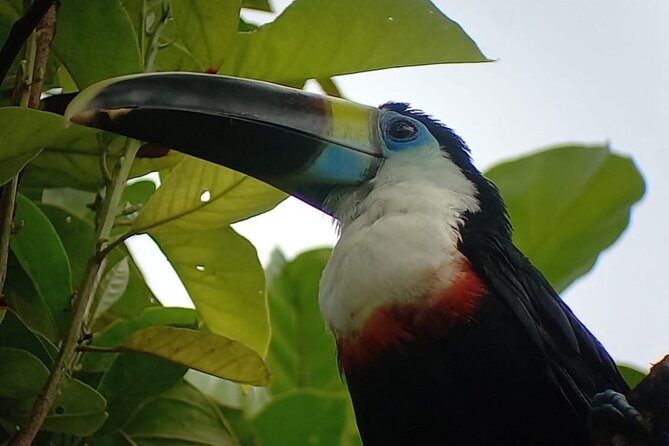
In the cloud forest, your guide begins looking for cock-of-the-rock birds and quetzals, along with other forest birds and two species of monkeys. The supplied information calls this a two-hour visit, so you should expect a focused walk and wildlife search rather than a long trek.
This is where the telescope and binoculars matter. Forest animals rarely pose in open view. A good guide may find a bird by sound, movement, or a flash of color, then help you locate it through the scope. Several guides, including José, Marco, Alex, Michel, and Nicholas, have been praised for their ability to locate wildlife and explain what you are seeing.
The cloud forest also gives you one of the trip’s most striking visual changes. The air, plants, and birdlife differ from what you see around Cusco, and the road itself becomes part of the experience. The tradeoff is that the first day is not a relaxed start. You leave early, spend hours on the road, and still have more movement ahead.
More Manu and Amazon jungle departures:
- 4 Day Tour to the Manu National Park
★ 5.0 · 81 reviews - Manu National Park Tour 4days/3night
★ 5.0 · 69 reviews - Manu Adventure (4 Days)
★ 5.0 · 50 reviews
Day two on the Madre de Dios River
Day two brings you closer to the main jungle activities. A bus ride of about 45 minutes takes you to Atalaya, the point where the river portion begins. Along the way, the guide points out native plants, fruit trees, bananas, coca plantations, and medicinal plants.
From Atalaya, you travel by boat on the upper Madre de Dios River. This is one of the trip’s defining moments. The boat gives you a different view of the forest and gets you away from the road, where the sounds and movement of the river become part of the setting.
The schedule includes time to relax in thermal baths, followed by a forest walk of about two hours. The exact order can change, and the guide may adjust the timing to improve animal sightings or respond to weather. That flexibility is useful in the rainforest, where wildlife does not follow a timetable.
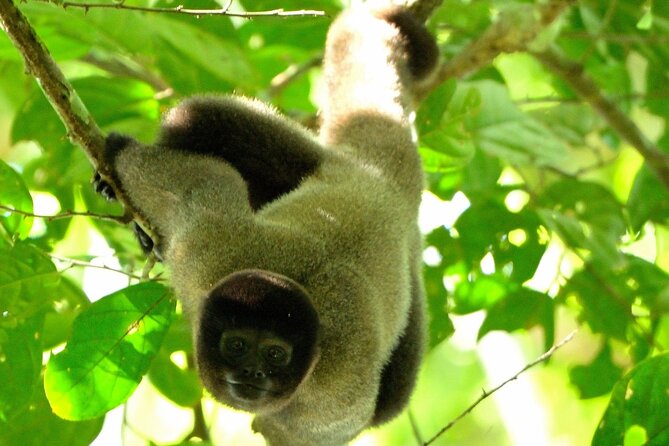
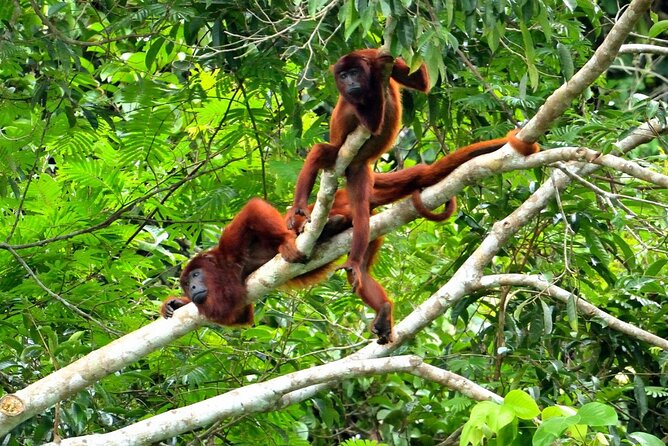
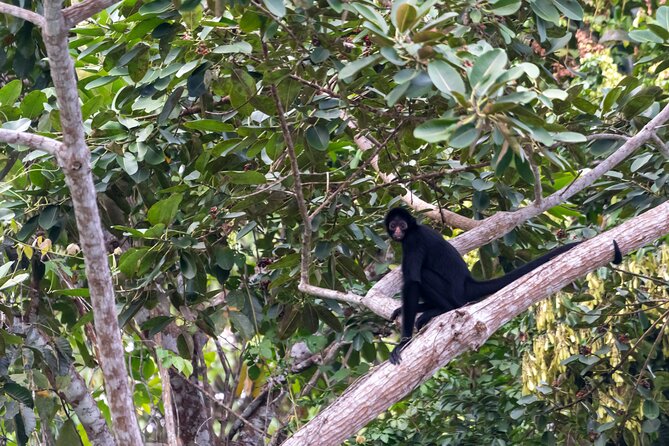
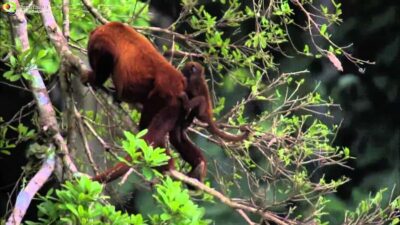
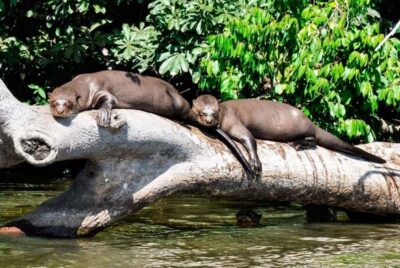
You may see capybara, small alligators, monkeys, and native birds around the water and forest edges. The tour description also mentions about five different monkey species across the trip, but sightings are never guaranteed. Your best chance comes from staying quiet, watching carefully, and giving your guide time to scan the trees.
The Machuwasi Lagoon visit adds a slower activity. You row on wooden rafts while looking for birds, capybara, and monkeys. A raft ride is not the same as a powered boat excursion. It is quieter and more hands-on, which can help you notice animals along the shore. It also means you should expect some physical effort and be prepared for wet conditions.
The evening includes a free night walk. This is often one of the most memorable parts of the trip because the forest changes after dark. The planned sightings include armadillos, snakes, toads, nocturnal monkeys, and other nighttime animals.
You should keep expectations realistic. A night walk is an observation exercise, not a guarantee of rare animals. The guide’s skill matters, and so do weather, noise, and luck. Still, the chance to search for creatures that remain hidden during the day gives this short tour a welcome change of rhythm.
Day three and the parrot clay lick
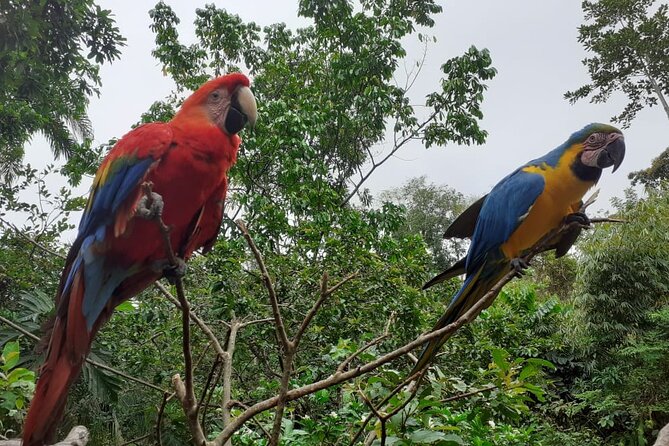
The final morning centers on a visit to a parrot clay lick. Clay licks are gathering places where parrots and other birds come to feed on mineral-rich clay, making them a special stop for birdwatchers and photographers.
The schedule allows about three hours for this visit before you return by boat to Atalaya. From there, you board the bus for the journey back to Cusco, arriving around 5:00 to 6:00 PM.
That return time makes Day 3 another long day. You should avoid booking an evening flight or a fixed dinner reservation in Cusco. Traffic, road conditions, weather, and the pace of the clay lick visit can all affect the arrival time.
The short schedule is both the tour’s strength and its limitation. You get a broad introduction to Manu in three days, but you do not have much spare time. Several people who enjoyed the trip later wished they had stayed longer. If your priority is a first look at Amazon forest while based in Cusco, three days can work well. If your main goal is patient wildlife observation, a longer program would give you more chances.
What the lodging and meals are really like
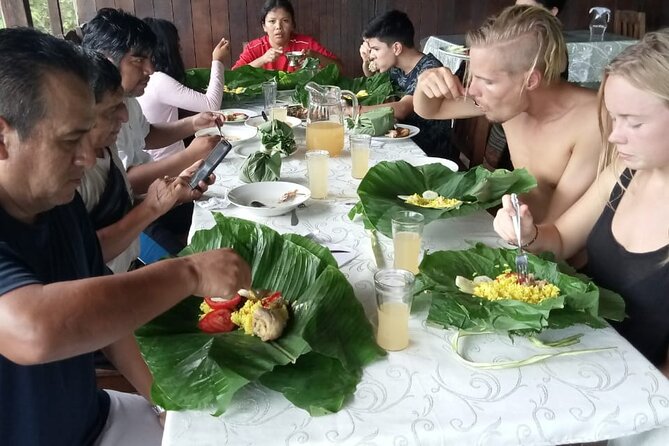
The tour includes lodging in comfortable hostels with private bathrooms. The accommodations are described positively by some guests, while another account calls the lodging and food moderate. Taken together, that suggests a clean, functional base rather than a polished jungle resort.
You get two breakfasts, two dinners, and three lunches. Breakfast on the first day is not included because you leave before the regular meal period. Mineral water is supplied throughout the tour except on the first day, so bring your own water for the early departure.
A professional cook travels with the service, and food is a well-liked part of the experience. Katia and Ivan are specifically praised for their cooking, and one account notes that meals were delicious, nutritious, and varied. Another person appreciated the care taken with food allergies.
Tell the operator about allergies or dietary needs before departure, then remind the cook and guide at the start. The tour can accommodate requests, but early communication is the sensible way to avoid problems in a remote area.
Solar panels are provided for recharging batteries. That is useful for phones, cameras, and small devices, although you should still carry a power bank and limit unnecessary charging. The listing does not promise strong or constant electricity, so plan for conservation.
Rubber hiking boots are included. This is a helpful detail, since jungle paths can be muddy and damp. You should still pack lightweight clothing, insect protection, a rain layer, and dry clothes. Those packing suggestions follow naturally from the forest setting and wet-weather activities, even though the operator does not provide a full packing list.
A few more Cusco departures worth comparing
- Cochahuasi Animal Sanctuary® Admission Ticket
★ 4.5 · 74 reviews - From Cusco: 4-Day Manu National Park Guided Tour
★ 4.6 · 48 reviews - From Cusco: Manu National Park Tour & Accommodation 3 Days
★ 4.4 · 12 reviews - From Cusco: Manu National Park 3 Day Tour
★ 4.5 · 7 reviews
Guides, wildlife, and the value of local skill
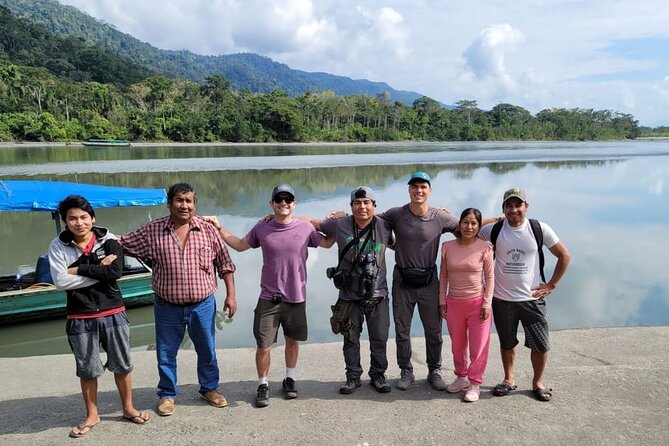
This tour depends more on the guide than on any single attraction. José is described as a biologist and a guide with more than 25 years of experience. He has been praised for explaining plants and animals as well as the cultural and political background of the region.
Other named guides include Alex, Marco, Miguel, Michel, Nicholas, Taz, Edson, and Willy. Alex is particularly praised for finding animals and keeping the group comfortable. Michel is described as organized and calm, while José is repeatedly associated with careful planning, respect for nature, and a good sense of humor.
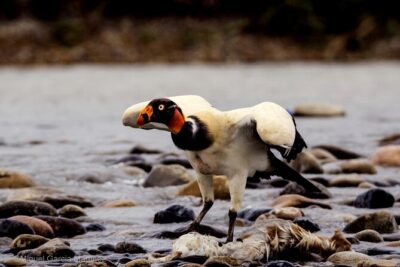
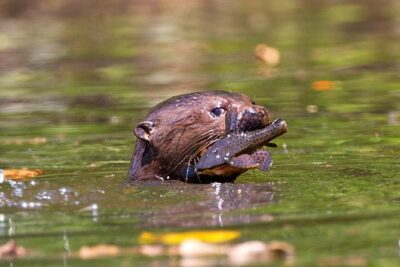
The operator does not promise specific sightings, and you should not book this expecting a checklist. Still, the range of possible encounters is impressive for three days: cock-of-the-rock birds, quetzals, hoatzins, capuchin monkeys, water snakes, tarantulas, frogs, insects, capybara, caimans, nocturnal animals, and tapir footprints have all been reported during departures.
The telescope and binoculars are included, which is a real advantage. In a rainforest, a bird high in a tree may be almost invisible without optical help. A guide who can identify a call, scan the canopy, and explain the animal’s behavior can turn a green wall of trees into a series of small discoveries.
The most useful attitude is to treat every sighting as a bonus. You may see several monkeys in one outing and very little on another. Weather can reduce visibility, but experienced guides can adjust the plan and look for animals in more sheltered places.
How sustainable is the trip?
The operator describes its work as socially and environmentally responsible and says that taking the tour supports environmental sustainability and native communities in the area. That is an appealing part of the product, especially for anyone who wants money spent in Manu to support local people and conservation.
You should treat this as the operator’s stated commitment, not as a detailed certification. The supplied information does not identify a particular conservation program, community project, waste policy, or formal sustainability standard.
Even so, the tour’s structure includes several low-impact elements. You travel by boat, use wooden rafts, walk established forest routes, and observe animals rather than handling or feeding them. A private departure can also make it easier for your guide to control noise and adjust the schedule to your group.
Ask the company how it handles rubbish, fuel, wildlife distance, and community employment if sustainability is central to your decision. Those questions are especially worthwhile in a fragile forest environment.
Is $389 a fair price?
At $389 per person, the tour includes a lot for a three-day trip from Cusco. Private transport, a professional guide, a cook, lodging with private bathrooms, meals, drinking water after the first day, entrance fees, rubber boots, optical equipment, first aid support, and solar charging are all included.
The value is strongest if you want one booking to handle the difficult pieces. Reaching Manu involves long road travel, river transport, specialist guiding, and lodging in a remote setting. Organizing each part separately would take time and could create gaps between transfers.
The price is less attractive if you expect a luxury lodge, generous free time, or a slow wildlife expedition. The itinerary is tightly packed, and the accommodations are practical. You are paying for access, transport, guiding, and a broad sample of activities, not for resort comfort.
The tour is typically booked about 52 days ahead. That does not guarantee every date will sell out, but it is a useful signal to plan early, especially if you need a private departure or have fixed Cusco plans.
Physical demands and practical limits
A moderate level of fitness is required. You will handle early mornings, long bus rides, boat boarding, forest walks lasting up to two or three hours, and rowing on wooden rafts.
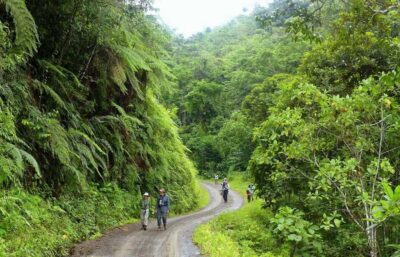
The walking itself is not described as extreme, but heat, humidity, mud, and uneven paths can make a moderate trail feel harder. Wear the provided rubber boots, move at a steady pace, and tell the guide if you need a break.
The long drives are the bigger issue for some people. Day one starts before breakfast, and day three may not finish until early evening. This is not a good fit if you dislike road travel or want a restful holiday.
It is a better match for you if you have limited time in Peru and want a serious first look at Manu. Birdwatchers, amateur naturalists, photographers, families with active older children, and people who enjoy learning from a guide should find plenty to hold their attention.
It may not suit you if you need polished facilities, guaranteed animal sightings, or a flexible schedule with long periods of private rest.
Booking details and cancellation
Confirmation is received when you book. Pickup is offered, and the activity returns to the meeting point in Cusco.
The tour is advertised as private, meaning only your group participates. Because one account refers to a group of 17, confirm the expected group size directly before booking if privacy is important to you.
Free cancellation is available up to 24 hours before the local start time for a full refund. Changes or cancellations made inside that 24-hour window are not accepted for a refund.
Should you book the Manu three-day tour?
Book it if you want to reach Manu from Cusco without arranging transport, lodging, food, guiding, and river travel on your own. The tour packs cloud forest, river forest, lagoon rafting, thermal baths, night wildlife, and a parrot clay lick into a short schedule, with strong attention to wildlife spotting.
Go in knowing that the journey is long and the comforts are simple. You may see remarkable animals, but nature sets the timetable. For an active introduction to Manu at a reasonable all-in price, I think this is a solid choice. If you can spare more than three days, adding time would make the forest experience less rushed and give you better odds of finding the animals you came to see.
FAQ
How long is the tour?
The tour lasts approximately three days. It begins early on Day 1 and returns to Cusco around 5:00 to 6:00 PM on Day 3.
Where does the tour start?
Pickup is offered from a hotel, airport, bus station, or meeting point. The listed meeting point is Plaza de Armas de Cusco, Del Medio 123, Cusco.
Is the tour private?
Yes. It is listed as a private activity intended only for your group. Confirm the exact group size with the operator before booking.
What meals are included?
The tour includes two breakfasts, three lunches, and two dinners. Breakfast on the first day is not included.
Is drinking water included?
Mineral water is included throughout the tour except on the first day. You need to bring or purchase water for the first morning.
What wildlife might I see?
Possible sightings include cock-of-the-rock birds, quetzals, monkeys, capybara, small alligators, parrots, snakes, armadillos, toads, insects, and other forest animals. Sightings are not guaranteed.
Are boots and wildlife-viewing equipment provided?
Yes. Rubber hiking boots, binoculars, and a telescope are included. A first aid kit and solar battery charging are also provided.
What level of fitness is needed?
A moderate physical fitness level is recommended. The program includes two-to-three-hour forest walks, boat travel, wooden raft rowing, and long bus journeys.
Just added around Cusco
- Cusco: Via Ferrata, Skybike, and Rappel Adventure★ 5.0 · 3 reviews
- From Cusco: Maras and Moray and Ollantaytambo Tour★ 5.0 · 3 reviews
- Cusco: Rainbow Mountain Tour at Sunset Without the Crowds★ 4.7 · 3 reviews
- Cusco: Sacred Valley Day Trip with Maras & Moray Salt Mines★ 5.0 · 3 reviews
- Valle Sur Cusco | half day★ 4.3 · 3 reviews
- IN MACHU PICCHU: Private Tour Guide Service★ 5.0 · 3 reviews
- Salkantay trek to Machu Picchu – 5D/4N – Premium★ 3.3 · 3 reviews
- Guide in Machu Picchu★ 5.0 · 3 reviews
Manu and Amazon Jungle Tours, compared.
Living Nature from Cusco: 3 Days Manu Jungle all inclusive
Read our review →
Browse the lists this tour appears in