
Reviewed · MACHU PICCHU TICKETS AND GUIDES
Cusco Tourist Ticket and Sacred Valley Site Pass
The clever part of the Cusco Tourist Ticket is that it turns a scattered collection of ruins and museums into one organized purchase. For $30 per person, you can choose a short pass for Sacsayhuaman, a two-day pass for Sacred Valley sites, or a 10-day pass covering 16 attractions across the Cusco Region.
I like the choice of circuits, since you do not have to pay for a long pass if your schedule is tight. I also like the simple ticket delivery system, with tickets left at hotels in Cusco’s historic center. The main catch is important: this is an admission pass, not a tour. Transport, guides, and sightseeing plans are up to you.
In This Review
- Key points to know before you book
- What the Cusco Tourist Ticket actually is
- Circuit I: four sites around Sacsayhuaman in one day
- Circuit II: Pisac, Ollantaytambo, Chinchero, and Moray
- Circuit III: 16 sites over 10 days
- How the ticket delivery works in Cusco
- Planning the sites without a guide
- Is $30 good value?
- Who should choose each circuit?
- Final decision: should you book it?
- FAQ
- How much does the Cusco Tourist Ticket cost?
- How long is the ticket valid?
- What does Circuit I include?
- What does Circuit II include?
- What does Circuit III include?
- Are tours or transportation included?
- Where will my ticket be delivered?
Key points to know before you book
- Four Inca sites in one day: Circuit I covers Sacsayhuaman, Qenqo, Tambomachay, and Puca Pucara.
- Sacred Valley access over two days: Circuit II includes Pisac, Ollantaytambo, Chinchero, and Moray.
- Sixteen places on the long pass: Circuit III adds museums, Tipon, Piquillacta, and other Cusco sites.
- Hotel delivery is included: Pick up your ticket at your hotel in the historic center, or at Plaza de Armas if your accommodation is outside it.
- No guided transport is provided: You need to arrange how you reach each ruin and museum.
- Flexible booking terms: You can cancel up to 24 hours before the activity for a full refund and reserve without paying immediately.
What the Cusco Tourist Ticket actually is
Think of this as a regional admission pass rather than a sightseeing excursion. You receive entry to a set list of archaeological sites and museums, but there is no guide, vehicle, group itinerary, or stated meeting time built into the basic experience.
That distinction matters in Cusco. The attractions are spread across the city, the hills above it, and the Sacred Valley. You will need to decide how to connect the stops, how long to stay, and which sites deserve the most attention.
The price is listed at $30 per person for the available options, but the value depends on how many included places you visit. If you use only one or two admissions, the pass may not save you much. If you visit most or all of the sites in a circuit, it becomes a practical way to handle several entry fees at once.
The ticket is delivered to your hotel if the property is within Cusco’s historic center. If your accommodation sits outside that area, delivery is made to Plaza de Armas. Check this detail before arrival, since it affects your first pickup.
More Machu Picchu tickets and guide services:
- Machu Picchu Entrance Ticket
★ 4.5 · 108 reviews - Machu Picchu: Private Tour Guide Service
★ 4.9 · 90 reviews - Machu Picchu: Tour Guide Service & Entrance Ticket Circuit-2
★ 4.6 · 90 reviews
Circuit I: four sites around Sacsayhuaman in one day
Circuit I is the compact option. It is valid for one day and covers the four archaeological sites within the Sacsayhuaman Archaeological Park:
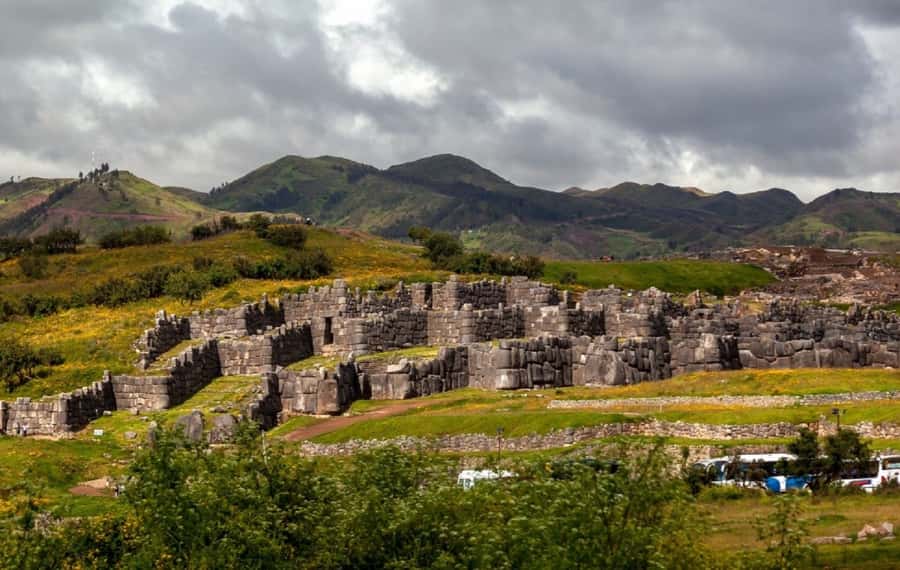
- Sacsayhuaman
- Qenqo
- Tambomachay
- Puca Pucara
Sacsayhuaman is the headline stop. Its huge fitted stones and high position above Cusco make it one of the region’s most memorable sites. You also get broad views over the city, which gives this circuit value even if you have limited time.
Qenqo offers a different kind of visit. It is part of the same archaeological area, but the attraction is not simply another set of giant walls. The site adds variety to the day and helps you see that Inca sacred places were not all designed in the same way.
Tambomachay and Puca Pucara complete the circuit. Both are smaller than Sacsayhuaman, so I would not treat them as equal-length stops. They work well as part of a linked visit, giving you more context for the network of sites above Cusco.
The one-day limit requires a little discipline. You can visit all four within the valid day, but this is not a pass for lingering at each place without checking your transport plan. Since tours are not included, you should organize your route before setting out.
Circuit I suits you best if your main goal is to see the ruins near Cusco rather than spend several days reaching the Sacred Valley. It is also a sensible choice for a short city stay, provided you can fit all four admissions into one day.
Circuit II: Pisac, Ollantaytambo, Chinchero, and Moray
Circuit II is valid for two days and covers four major Sacred Valley archaeological sites:
- Pisac
- Ollantaytambo
- Chinchero
- Moray
The two-day validity is helpful because these places are not presented as one tightly packed city visit. You have more room to organize the sites at a reasonable pace, though you still need to arrange transportation between them.
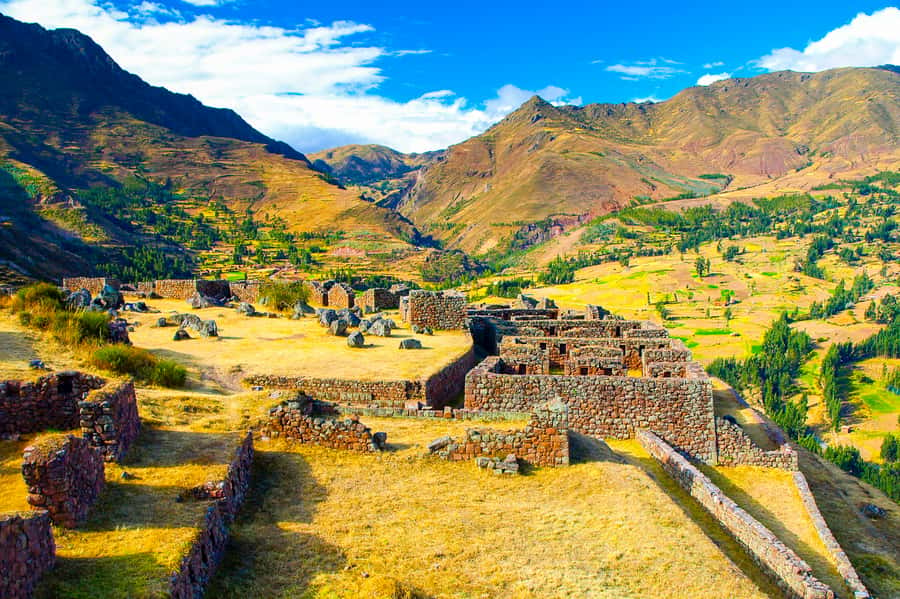
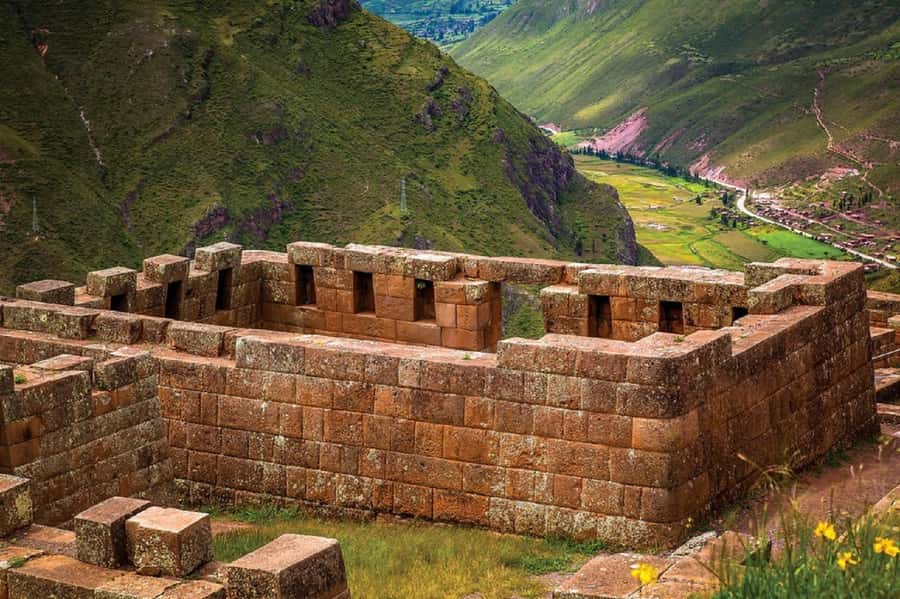
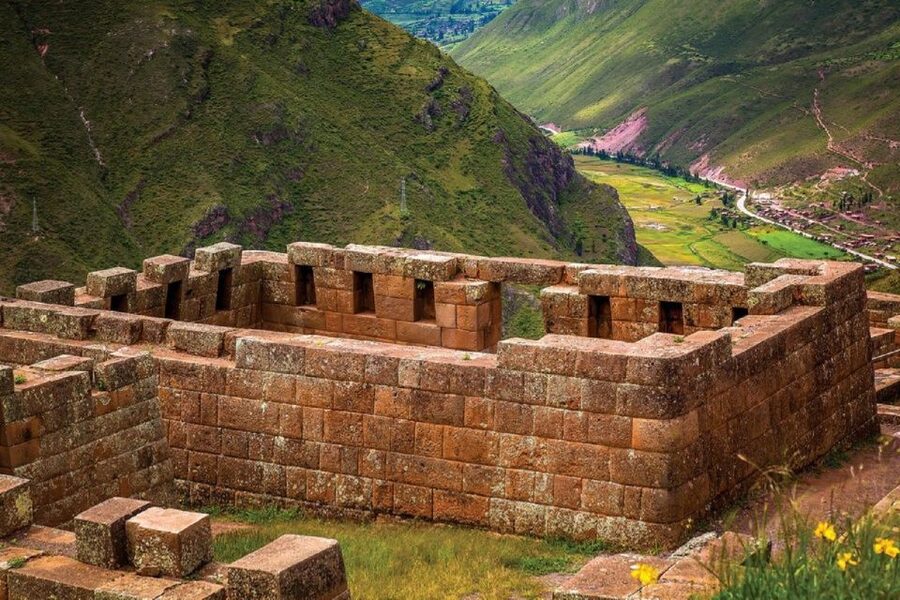
Pisac is known for its archaeological remains and makes a strong introduction to the Sacred Valley portion of the pass. The site gives you a chance to see how Inca construction worked across a large hillside setting rather than only within Cusco’s urban center.
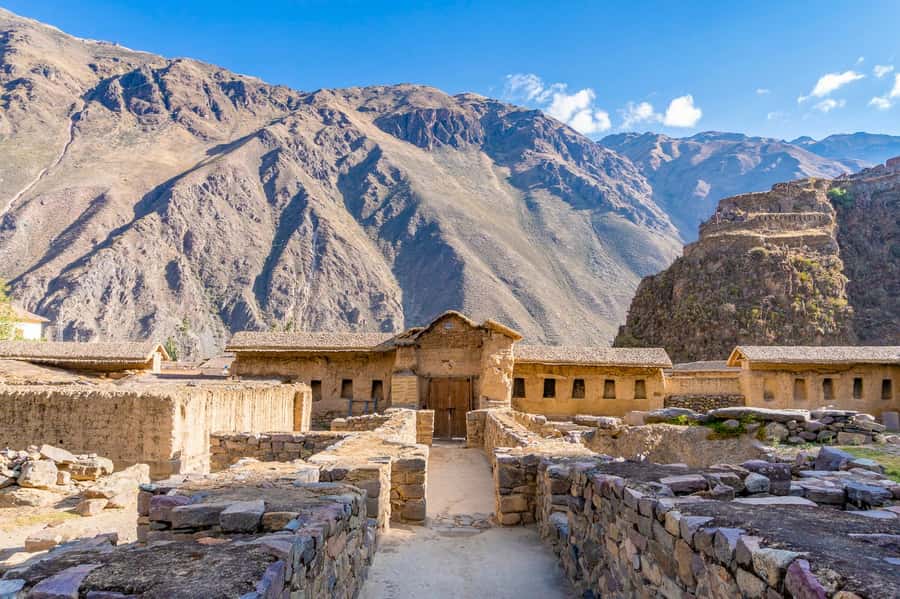
Ollantaytambo is one of the most compelling stops on the pass. Its Inca architecture is especially striking, and the settlement itself gives the site a sense of place that a lone ruin cannot provide. If you care about construction, stonework, and how an old settlement fits together, allow this stop proper time.
Chinchero adds another important architectural setting. Its inclusion means Circuit II is not only about the most famous valley sites. You get a broader look at Inca building traditions across the region.
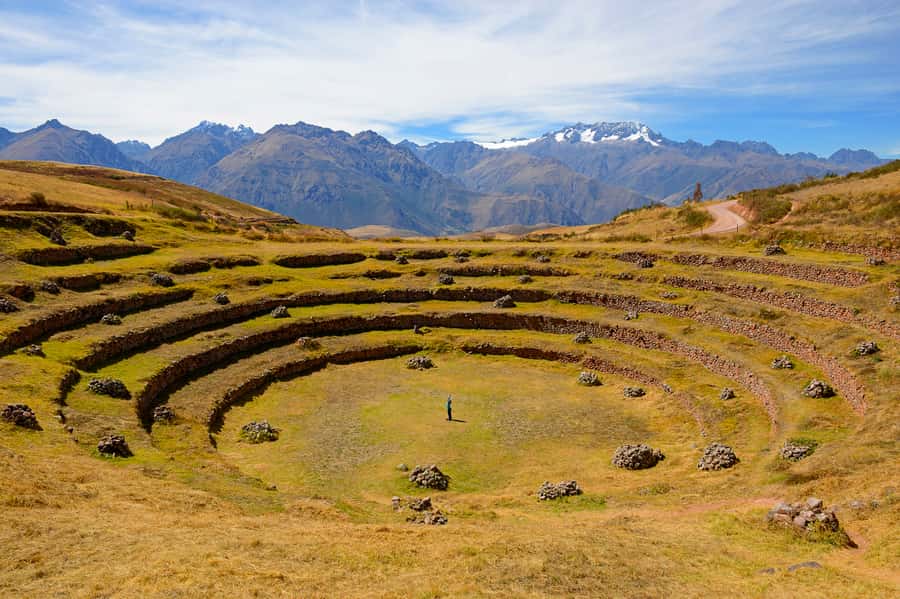
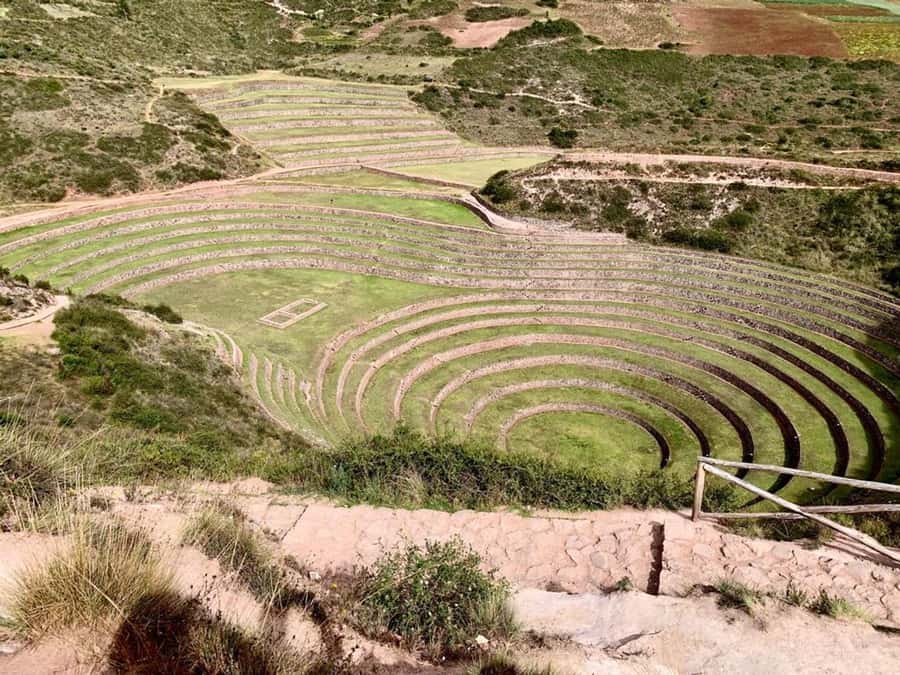
Moray is perhaps the most unusual stop in this group. Its great circular terraces are often described as an agricultural laboratory, though the exact purpose remains a subject of discussion. Even without settling that question, the shape of the terraces makes Moray unlike the other sites on the pass.
I like Circuit II for people who want archaeological variety. You see terraces, monumental stonework, settlement architecture, and the unusual rings at Moray. The drawback is that the pass does not provide the transport needed to connect those places, so its value is much higher if you already have a driver, organized transport, or a clear plan.
Circuit III: 16 sites over 10 days
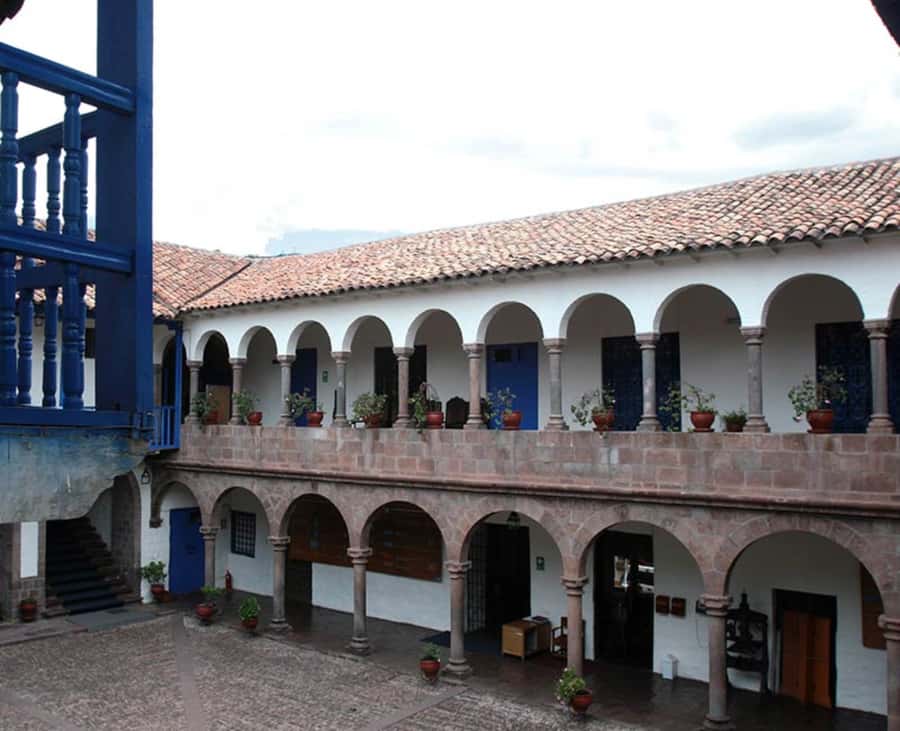
Circuit III is the broadest option and remains valid for 10 days. It includes every attraction in Circuits I and II, along with eight additional sites and museums:
- Sacsayhuaman
- Qenqo
- Tambomachay
- Puca Pucara
- Pisac
- Ollantaytambo
- Chinchero
- Moray
- Tipon
- Piquillacta
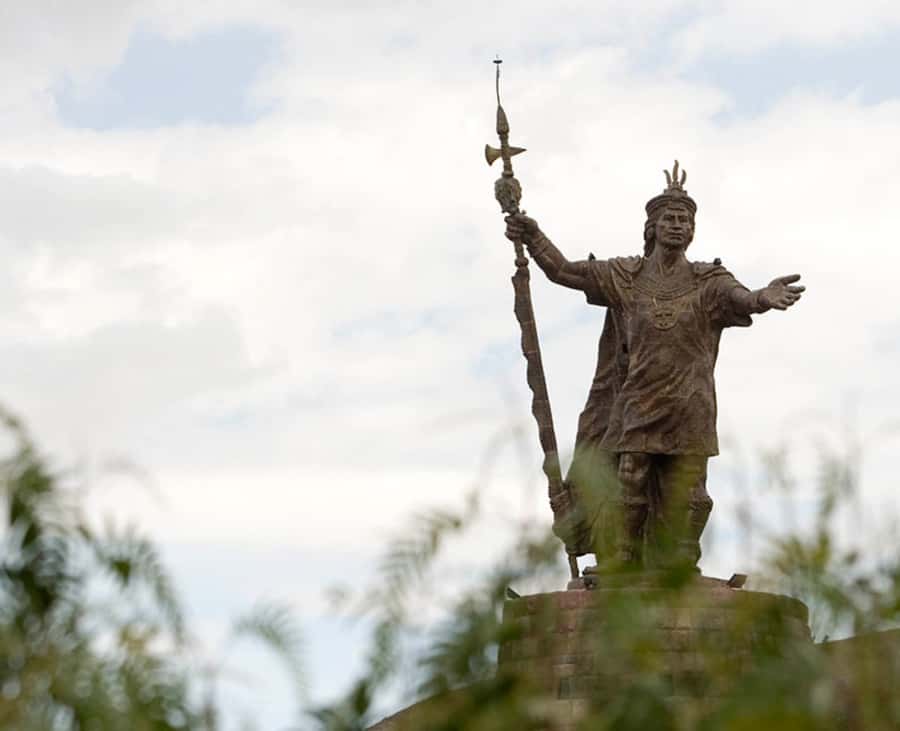
- Pachacutec Inca Monument
- Qosqo Native Art Center
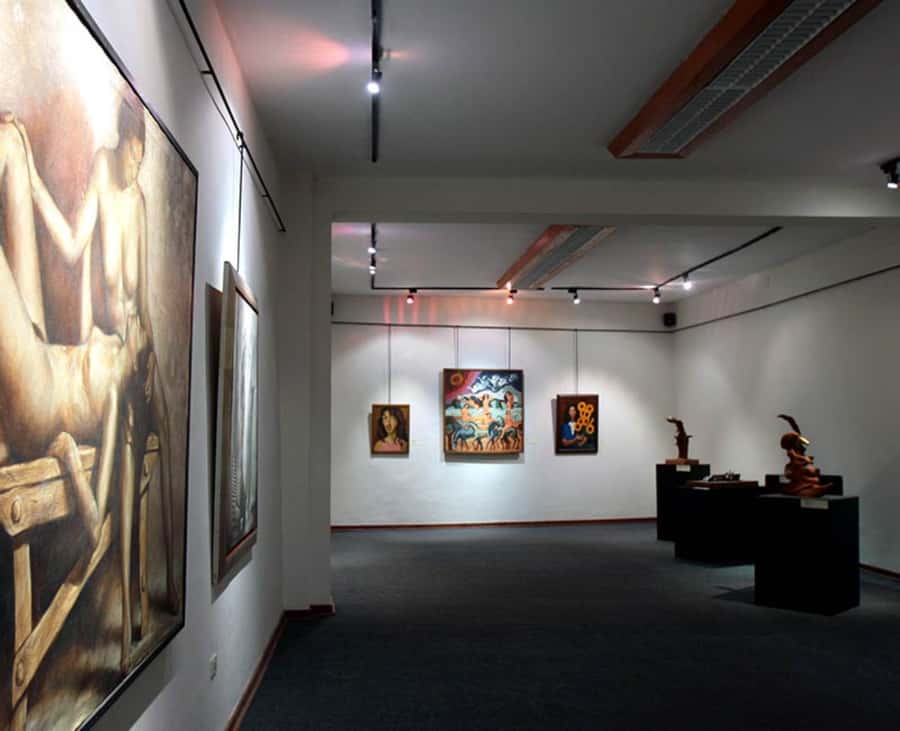
- Museum of Contemporary Art
- Qorikancha Site Museum
- Regional Historical Museum
- Popular Art Museum
For a longer stay in Cusco, Circuit III is the most useful choice. The 10-day period changes the pace. You can visit the major ruins first, then return to the city’s museums and lesser-known stops without trying to force everything into one or two days.
Tipon and Piquillacta widen the geographic and historical range of the pass. They are not simply extra versions of the sites around Sacsayhuaman. Their inclusion gives you more reason to explore beyond the usual Cusco and Sacred Valley route.
The city museums add a different layer. The Museum of Contemporary Art gives you a break from archaeology, while the Popular Art Museum focuses on local artistic traditions. The Regional Historical Museum and Qorikancha Site Museum help connect the physical ruins with Cusco’s wider story.
The Pachacutec Inca Monument and Qosqo Native Art Center round out the city portion. These stops may appeal most if you want more than a quick run through the headline ruins.
I see Circuit III as a value play for a visitor with time. It is not automatically the right choice for everyone. If your schedule includes only a day or two in Cusco, you could buy more access than you can realistically use. If you have up to 10 days and want to mix major ruins with museums, this is the pass that gives you the most freedom.
More Sacred Valley days out of Cusco:
- From Cusco: Sacred Valley & Maras Salt Mines Tour with Lunch
★ 4.8 · 2,227 reviews - Cusco: Sacred Valley, Pisac, Ollantaytambo, Salt Mines Moray
★ 4.6 · 1,058 reviews - Sacred Valley: Chinchero, Moray, Ollantaytambo & Pisac+Lunch
★ 4.8 · 501 reviews - Sacred Valley: Maras & Moray by Quad Bike from Cusco
★ 4.6 · 418 reviews
How the ticket delivery works in Cusco
The delivery arrangement is one of the most praised practical features of this experience. Your valid ticket is delivered to your hotel when the property is within the historic center. That means you can arrive, collect the pass, and start planning your visits without searching for a separate sales office.
The delivery feedback is consistently positive. Gill from the United Kingdom said the tickets were waiting at the hotel on arrival. Thiago from Brazil also received them at the accommodation beforehand, while Melissa from the United States described the delivery as easy and fast, with good communication from the provider.
Those details matter after a long journey. A ticket waiting at your accommodation is much less work than arranging a pickup across town. Still, confirm where you are staying. If your hotel is outside the historic center, your ticket will be delivered to Plaza de Armas instead.
The meeting point can vary according to the option you choose. Treat the delivery instructions as part of the booking details, not as a minor footnote.
Planning the sites without a guide
Because tours are not included, you have control but also responsibility. You can choose your own order, spend longer at places that interest you, and avoid being hurried through a museum. On the other hand, you need to arrange transportation and decide how to group the attractions.
For Circuit I, the four Sacsayhuaman Park sites belong in one day. The pass itself permits one day of use, so avoid treating it as a casual two-day admission. Confirm your route and transport before you begin.
Circuit II gives you two days for Pisac, Ollantaytambo, Chinchero, and Moray. That extra day helps, but it does not remove the distance between the sites. You should think of the pass as permission to enter, not as a route map or vehicle service.
Circuit III offers the greatest flexibility. You can place city museums around your archaeological visits, then use the remaining days for Tipon, Piquillacta, or the other included attractions. This is where the 10-day validity has real value: you do not need to spend every day on ruins.
The absence of a guide will suit independent visitors who enjoy setting their own pace. If you want explanations at each wall, transportation between sites, and someone else handling the timetable, you will need to arrange those services separately.
Is $30 good value?
At $30, the pass can be good value, but only when you use it well. Circuit I makes sense if you plan to visit all four sites around Sacsayhuaman. Circuit II becomes more attractive when you intend to see all four Sacred Valley sites. Circuit III offers the strongest potential value because it covers 16 places over 10 days.
The key word is potential. I would not buy the longest pass simply because it includes the most attractions. Look at your actual schedule, your planned transport, and your interest in museums. A visitor focused on Machu Picchu and a short Cusco stay may have little time left for 16 included places.
The pass is also useful for variety. You can spend one day among major ruins, another at Sacred Valley sites, and another visiting museums. That range helps prevent every day from feeling like the same stonework and terraces.
The listed rating is 4.2 from 28 ratings, which suggests a generally good experience with some room for individual circumstances to affect satisfaction. Delivery appears to be the clearest strength. The main limitation remains the same: the ticket does not solve transportation or guiding.
Who should choose each circuit?
Choose Circuit I if you have one day for the archaeological sites above Cusco. It is focused, easy to understand, and suited to a short stay.
Choose Circuit II if the Sacred Valley is your priority and you want Pisac, Ollantaytambo, Chinchero, and Moray across two days. It offers strong variety, but only if your transport plan is already in place.
Choose Circuit III if you have several days in Cusco and want both ruins and museums. The 10-day validity gives you the breathing room to use the pass properly.
Families and independent visitors may appreciate the flexible pace, but the lack of tours means one person in your group must handle the planning. History fans will likely get the most from Circuit III, while first-time visitors on a compressed schedule may prefer a shorter circuit.
Final decision: should you book it?
Book this pass if you want admission handled in advance and you already understand that transport and guiding are separate. The hotel delivery is a real convenience, especially when your accommodation is in the historic center, and the circuit choices keep you from buying more access than you need.
I would choose Circuit I for a focused Cusco ruins day, Circuit II for a two-day Sacred Valley plan, and Circuit III for a longer stay with museums included. Skip it if you expect a guided excursion with transport, since that is not what this product provides.
FAQ
How much does the Cusco Tourist Ticket cost?
The listed price is $30 per person.
How long is the ticket valid?
Validity depends on the circuit. Circuit I is valid for 1 day, Circuit II for 2 days, and Circuit III for 10 days.
What does Circuit I include?
Circuit I includes Sacsayhuaman, Qenqo, Tambomachay, and Puca Pucara within the Sacsayhuaman Archaeological Park.
What does Circuit II include?
Circuit II includes the Sacred Valley sites of Pisac, Ollantaytambo, Chinchero, and Moray.
What does Circuit III include?
Circuit III includes 16 archaeological sites and museums, including the Sacsayhuaman sites, Sacred Valley sites, Tipon, Piquillacta, Pachacutec Inca Monument, Qosqo Native Art Center, Museum of Contemporary Art, Qorikancha Site Museum, Regional Historical Museum, and Popular Art Museum.
Are tours or transportation included?
No. The ticket provides admission to the attractions included in your chosen circuit. Tours and transportation are not included.
Where will my ticket be delivered?
If your hotel is within Cusco’s historic center, the ticket will be delivered there. If your accommodation is outside the historic center, delivery will be made to Plaza de Armas.
More Entrance Tickets in Cusco
- Cochahuasi Animal Sanctuary® Admission Ticket
★ 4.5 · 74 reviews - Cusco: Pub Crawl with Skip-the-Line Access and Drinks
★ 4.6 · 57 reviews - Cusco: Machu Picchu Day Trip with Train + Entrance ticket
★ 4.5 · 17 reviews - Excursion from Cusco to Machu Picchu + Entrance Tickets Incl
★ 3.9 · 16 reviews
Just added around Cusco
- Cusco: Via Ferrata, Skybike, and Rappel Adventure★ 5.0 · 3 reviews
- From Cusco: Maras and Moray and Ollantaytambo Tour★ 5.0 · 3 reviews
- Cusco: Rainbow Mountain Tour at Sunset Without the Crowds★ 4.7 · 3 reviews
- Cusco: Sacred Valley Day Trip with Maras & Moray Salt Mines★ 5.0 · 3 reviews
- Valle Sur Cusco | half day★ 4.3 · 3 reviews
- IN MACHU PICCHU: Private Tour Guide Service★ 5.0 · 3 reviews
- Salkantay trek to Machu Picchu – 5D/4N – Premium★ 3.3 · 3 reviews
- Full-Day Condor Viewpoint & Inca Sites Tour★ 5.0 · 3 reviews
Machu Picchu Tickets and Guides, compared.
Machu Picchu Day Trip with Train + Entrance ticket
Read our review →
Machu Picchu Entry Ticket and Bus from Aguas Calientes
Read our review →
Browse the lists this tour appears in